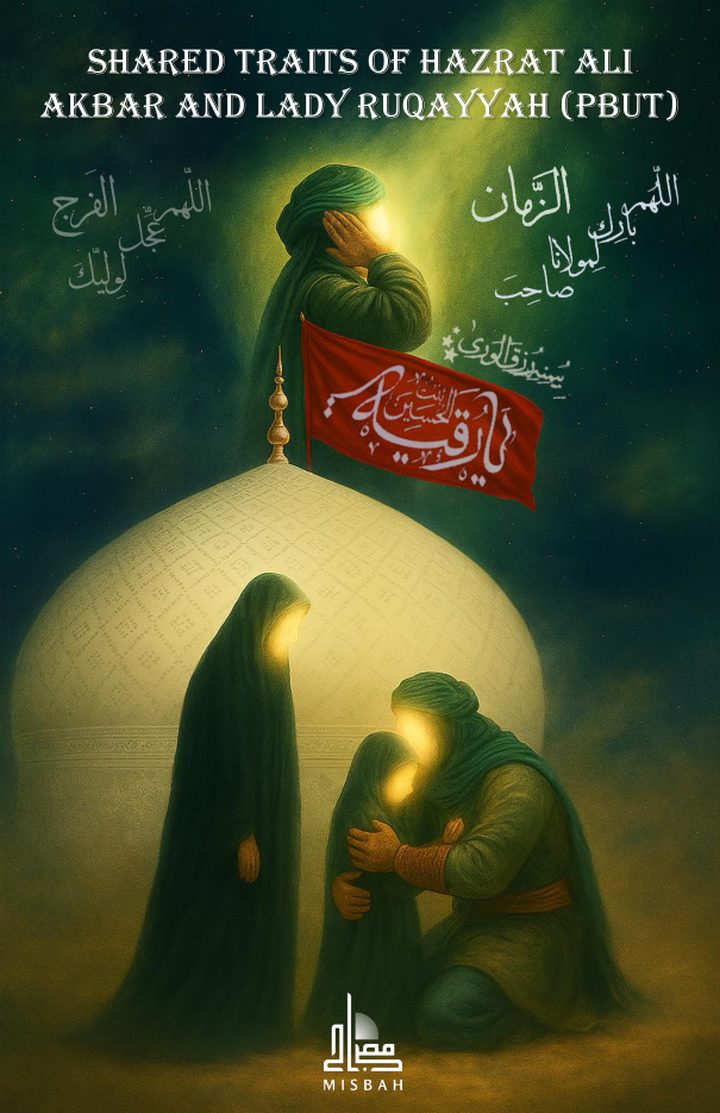
Shared Traits of Hazrat Ali Akbar and Lady Ruqayyah (PBUT)
Akbar and Lady Ruqayyah (PBUT)
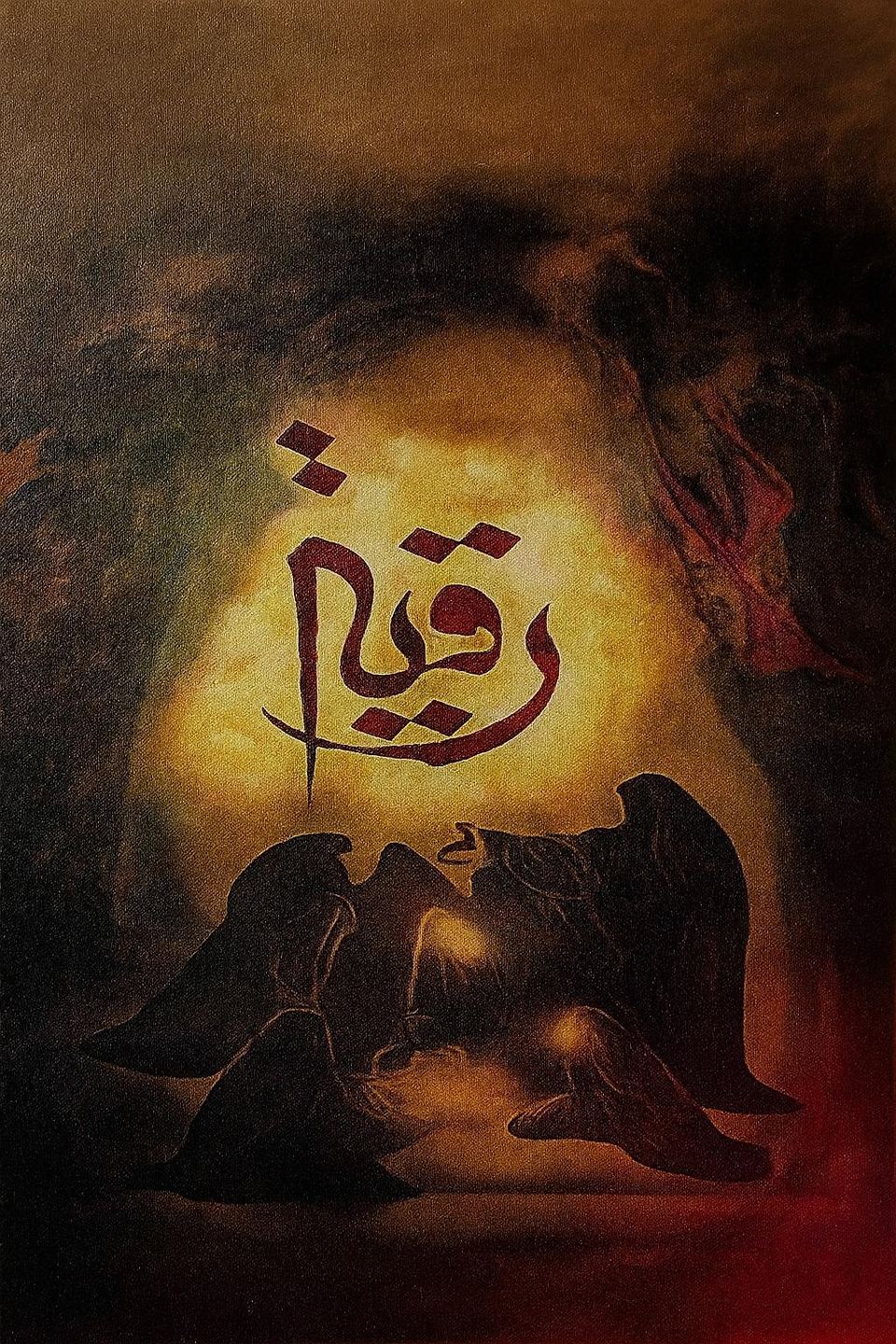
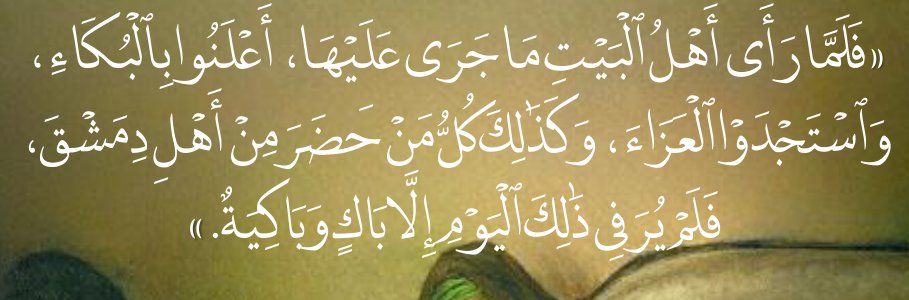
The historical narrations indicate a deep bond between Hazrat Ali Akbar (p) and Hazrat Ruqayyah (p). During a mourning gathering held by the order of Lady Zaynab (p) in Yazid’s palace, the heads of the martyrs were brought before the women of the Prophet’s household. Each woman embraced the head of the martyr with whom she had the closest bond.
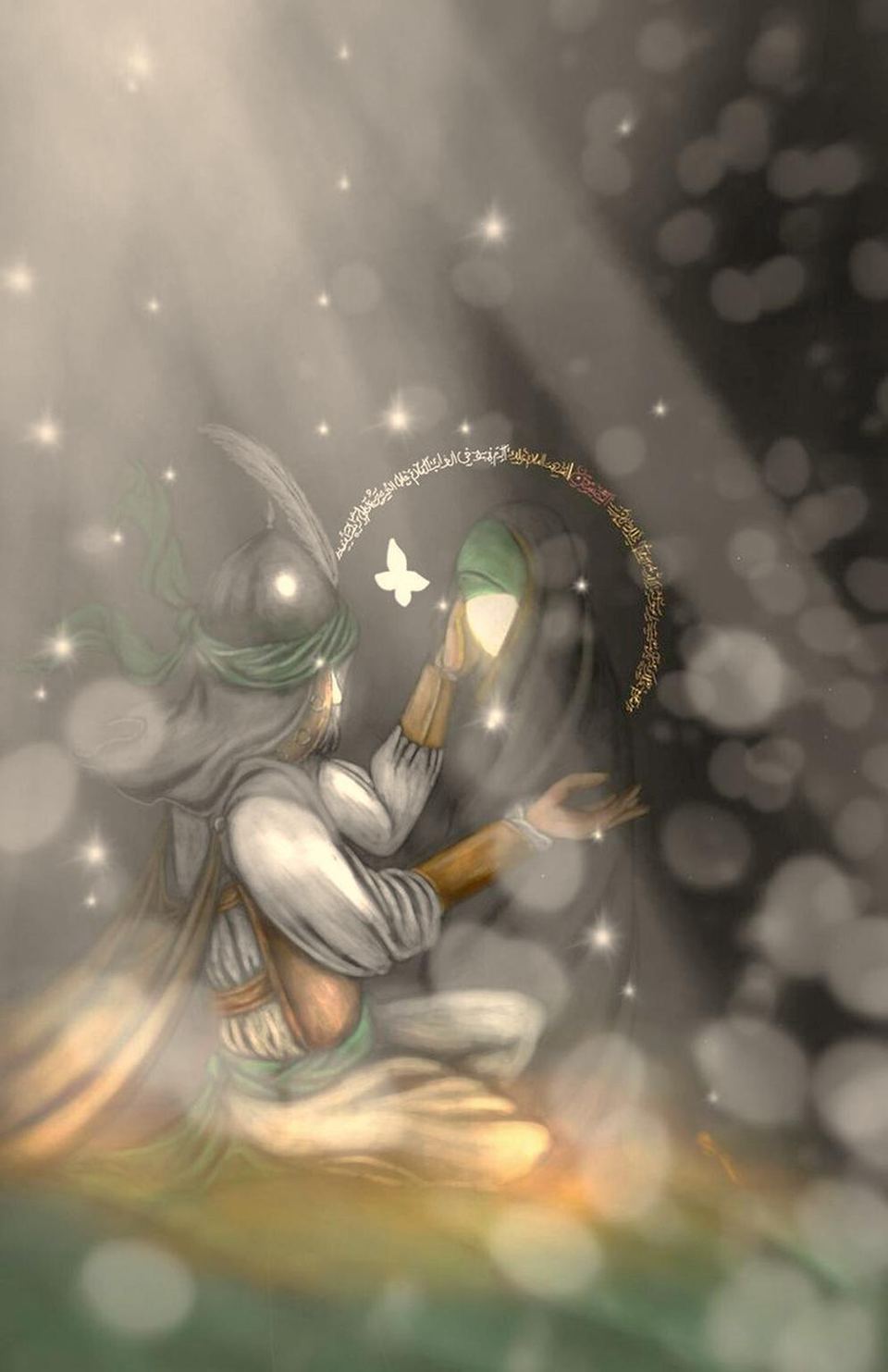
Lady Zaynab (p) held the head of Imam Husayn (p), Lady Umm Kulthum (p) took the head of Hazrat Abbas (p), Lady Sukayna (p) placed the head of Ali Asghar (p) in her lap, the mother of Hazrat Qasim (p) held her son ’ s head, and Hazrat Ruqayyah (p) embraced the head of her brother Ali Akbar (p). They mourned for seven days, and this touching scene reveals the special closeness and affection between Hazrat Ruqayyah (p) and Hazrat Ali Akbar (p).
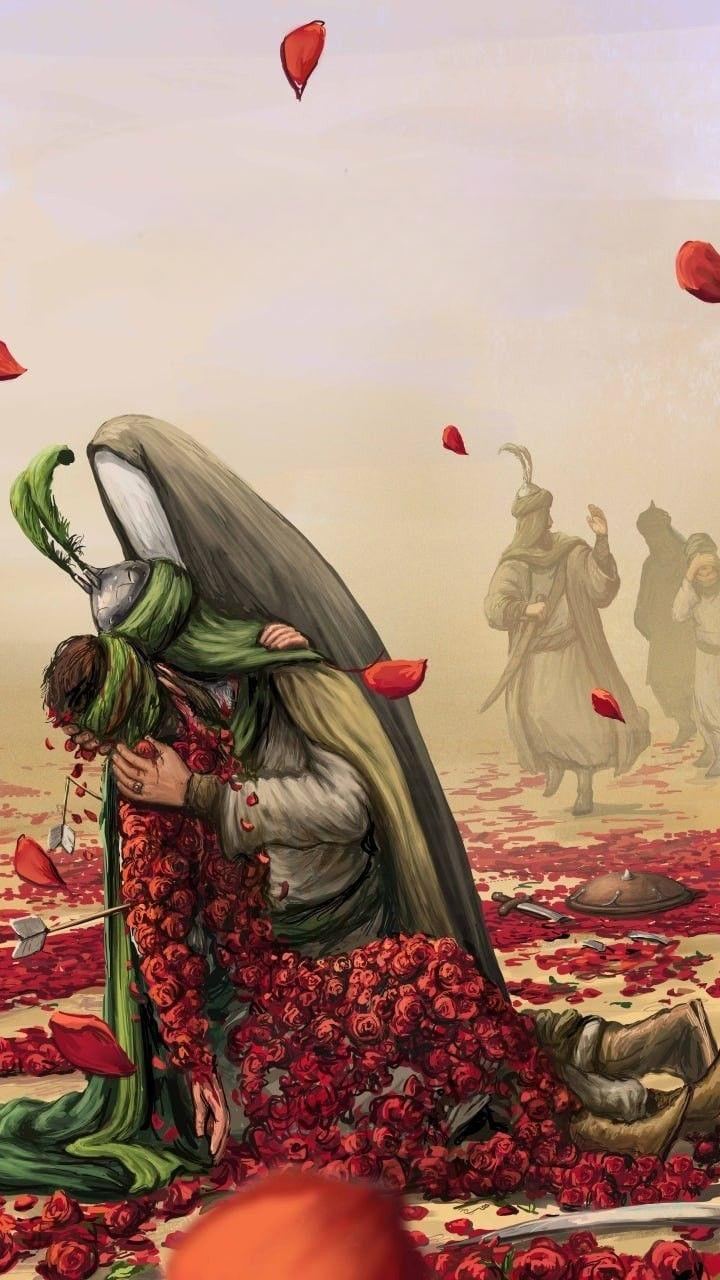
First martyr
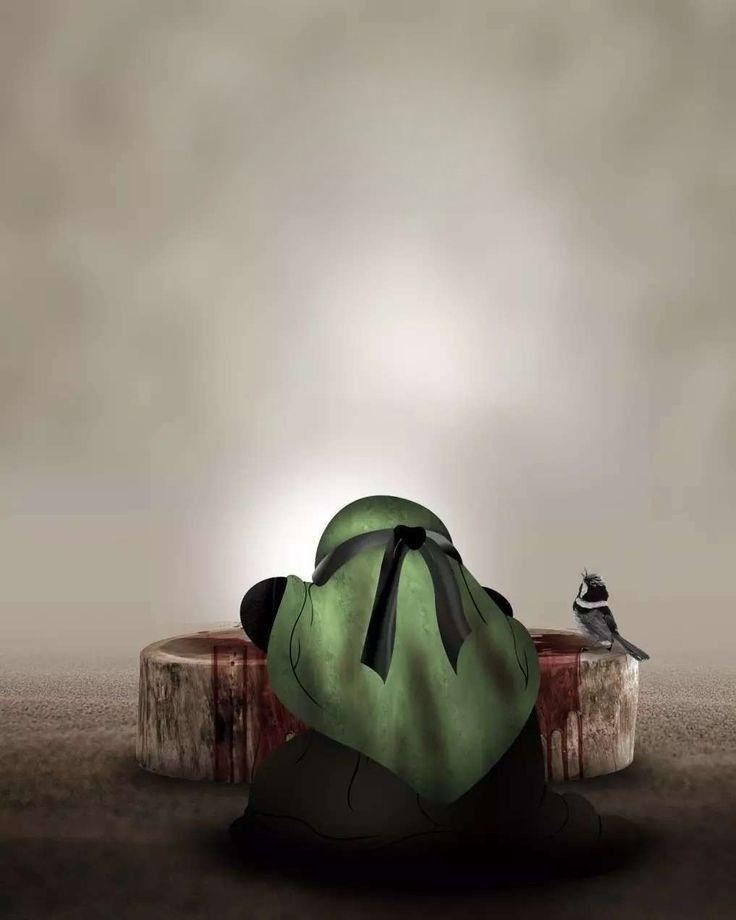
Hazrat Ali Akbar (p) is the first martyr from the pure lineage of the Prophet (p), as mentioned in the Ziyarat of the Karbala Martyrs.
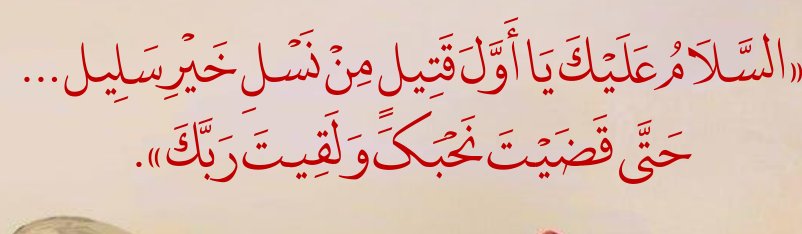
First martyr
Lady Ruqayyah (p), the first female martyr of the Ahlul Bayt (p), was promised by Imam Husayn (p) that she would soon join him and her brother in reward for her suffering in captivity.
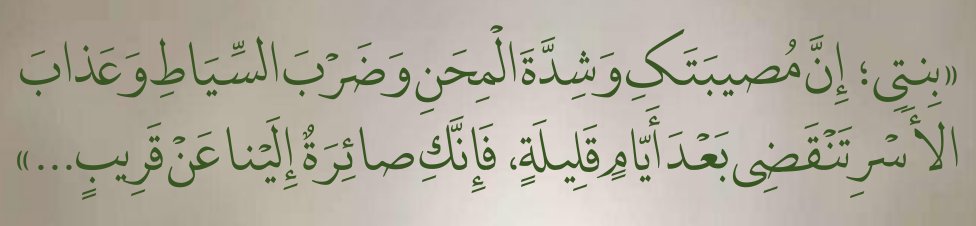
My daughter, your suffering, torment, the lashes, and running over the thorns are over. You will join us in a few nights.
Refuge
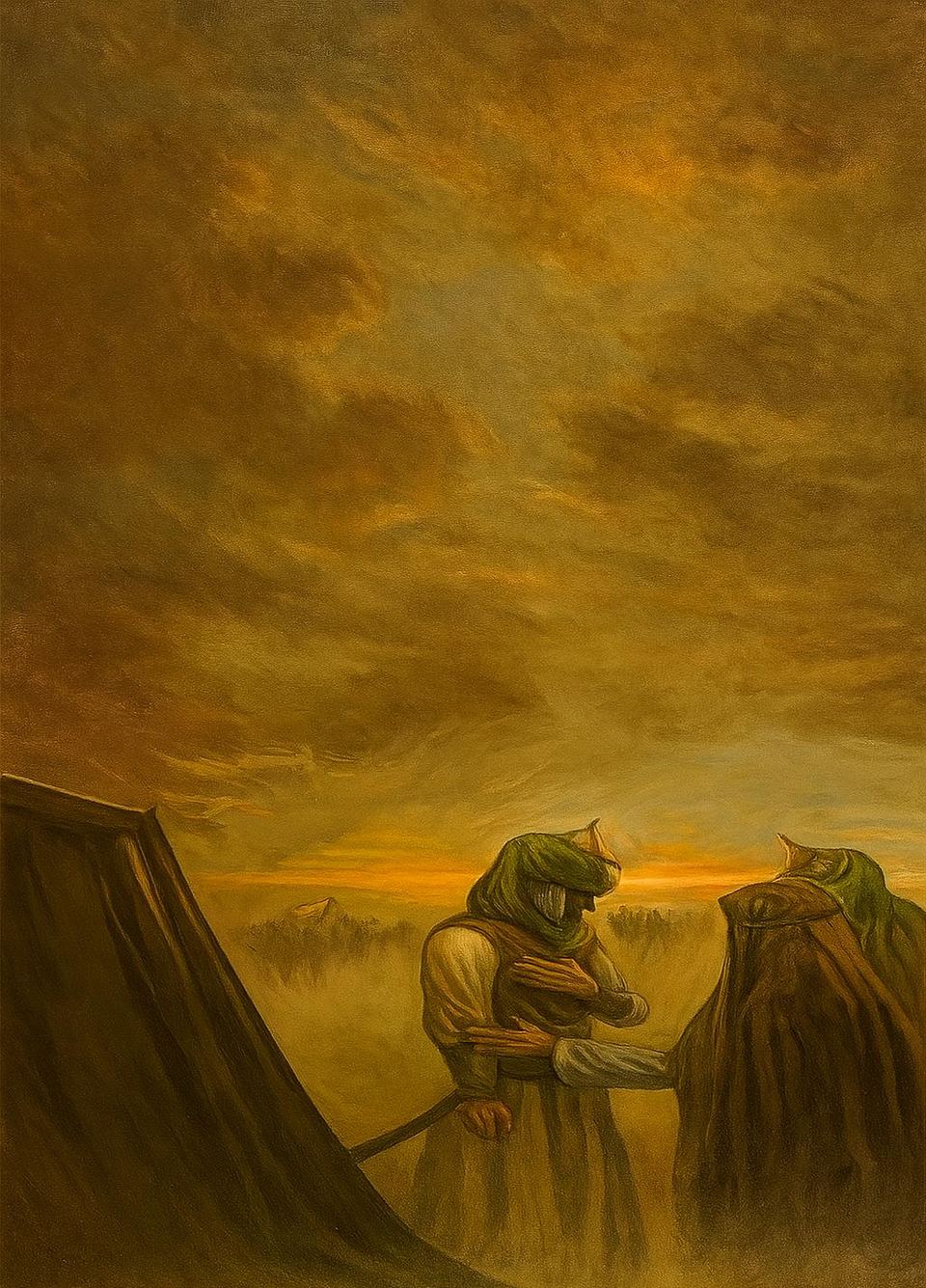
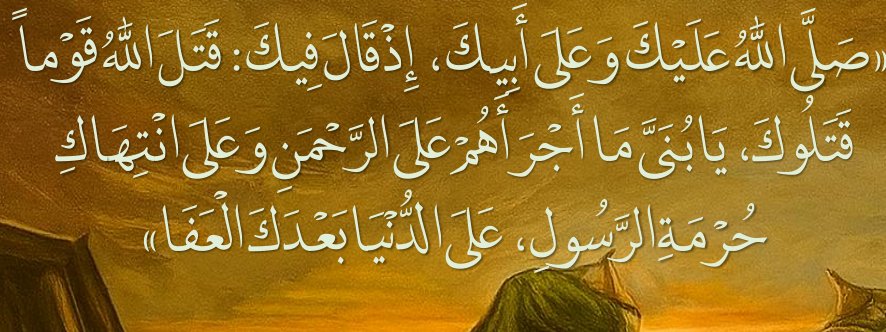
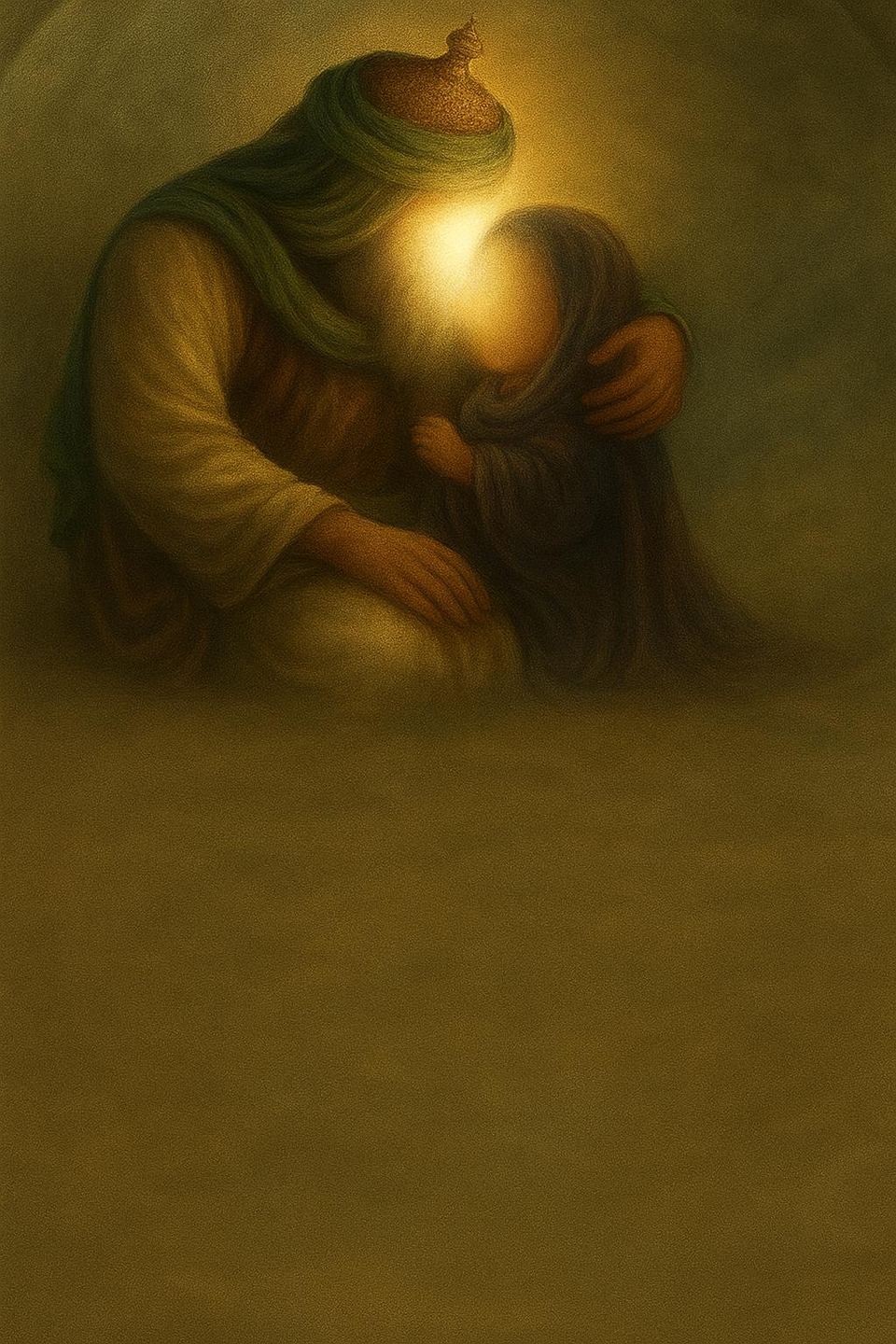
In Karbala, Hazrat Ali Akbar (p) was not just the son of Imam Husayn (p), but his comfort and refuge. His words brought peace to the Imam after seeing the vision of their martyrdom, and his presence on the battlefield reassured him. He fetched water for the thirsty camp and consoled the grieving women, becoming a source of strength for his father. This deep bond made their farewell the most painful, as Imam Husayn (p) saw in Ali Akbar (p) not only his son but his refuge, his loss marked the collapse of the Imam’s world:

Refuge
Lady Ruqayyah (p) held the same honored role for her dear aunt, Lady Zaynab al-Kubra (p). She was entrusted after Ashura to support and accompany her aunt, serving as her refuge throughout the journey of captivity.

After Ashura, Lady Zaynab (p) could not bear separation from Lady Ruqayyah (p), who became her constant companion and source of spiritual comfort. In every stage of hardship, she carried the fragrance of Lady Fatima al-Zahra (p) and eased her aunt’s burden. In the peak of oppression at Sham, she sacrificed her life to bring peace to Lady Zaynab, after which the Ahlul Bayt (p) were freed and returned to Madinah with dignity. Her martyrdom deeply grieved Lady Zaynab (p), turning her hair white and bending her back in sorrow.
SEDDIq & SEddIqah
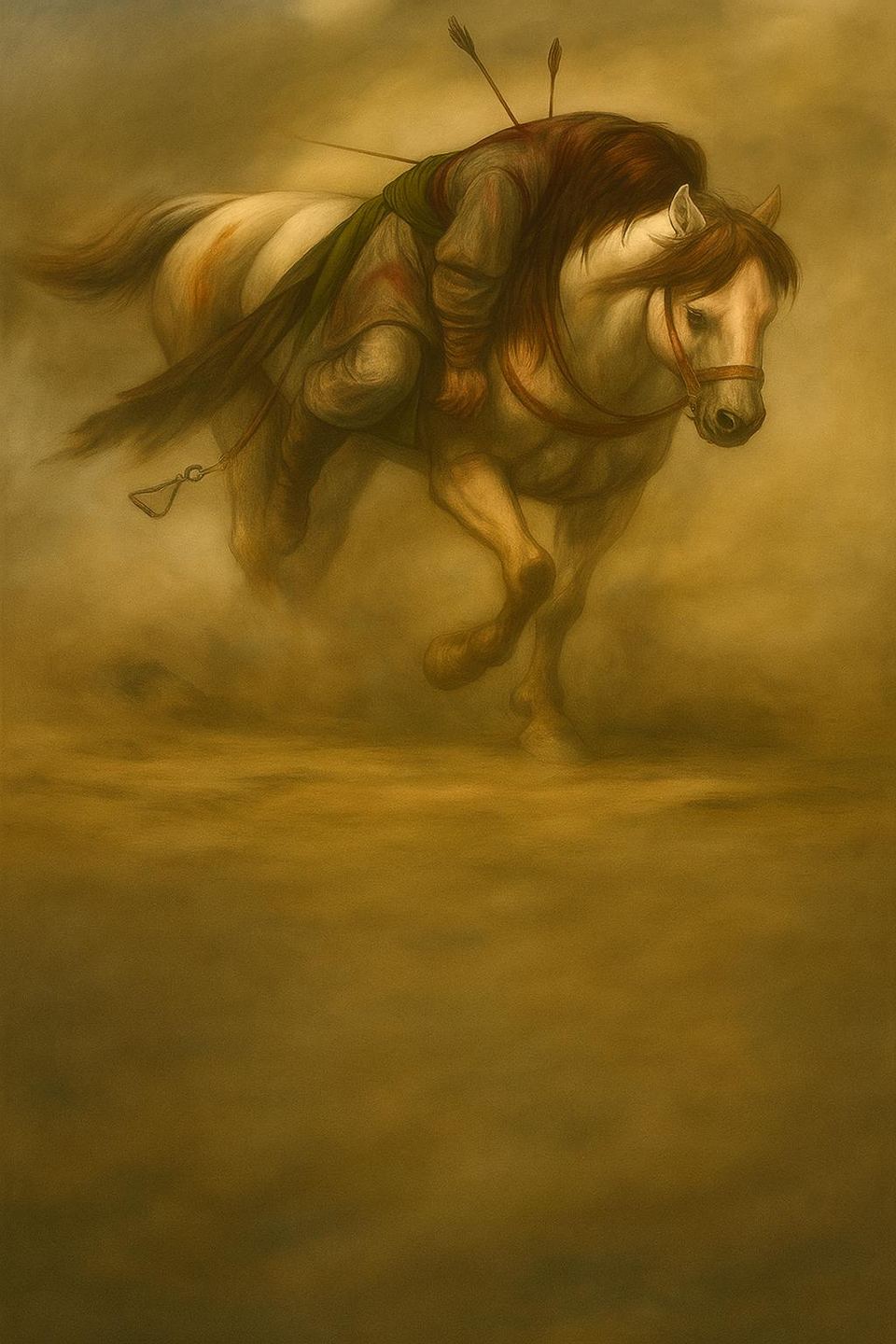
Seddiq refers to one of abundant truthfulness, whose words and actions affirm the essence of religion and Wilayah, guiding others in that truth. Its peak lies in fulfilling one’s vow and martyrdom.

Ali Akbar is called a Seddiq for embodying Husayni Wilayah and being the first martyr of the Prophet’s family in Karbala, as affirmed in his Ziyarat:
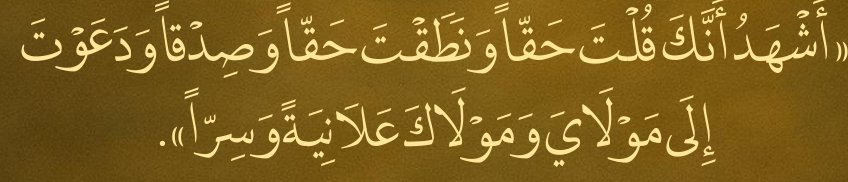
Hazrat Asdaq al-Sadeqin (p) calls Ali Akbar (p) Seddiq in his Ziyarat, affirming his perfect truthfulness and loyalty to divine Wilayah:
SEDDIq & SEddIqah
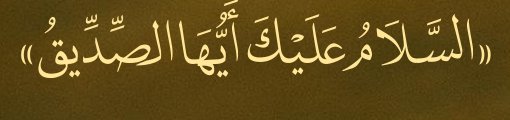
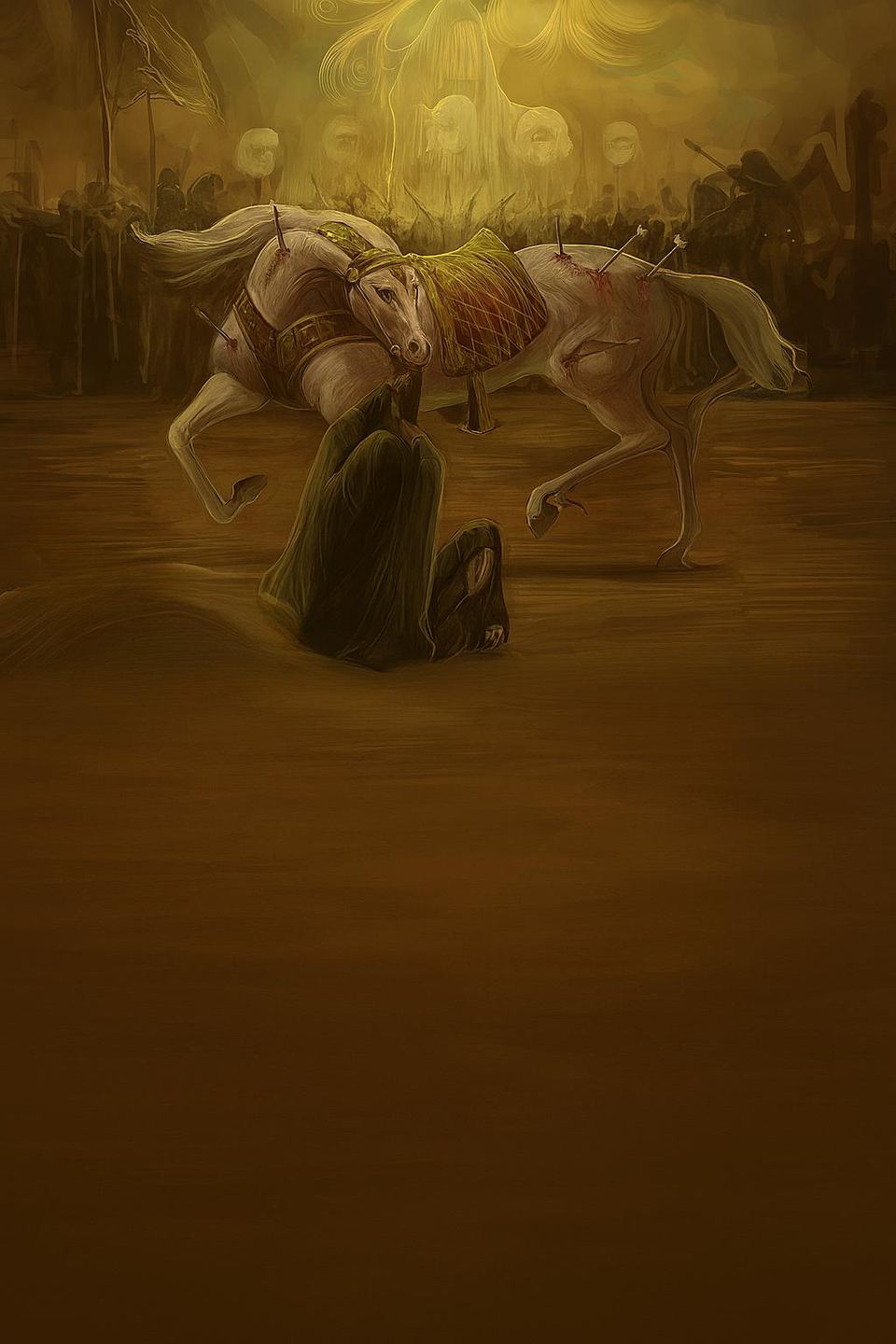
Lady Ruqayyah (p), the one who resembled Lady Zahra (p) is called a Seddiqah in her Ziyarat, as all her words and actions, like her brother’s, revolved around Imam Husayn (p). This is evident throughout various stages. During the farewell in Karbala, after the martyrdom of Imam at the killing ground, in her pursuit of his head during captivity, her whispers to him in the palace of Sham, and finally her martyrdom beside his blessed head, marking the fulfillment of her destined sacrifice.
MurtaQA
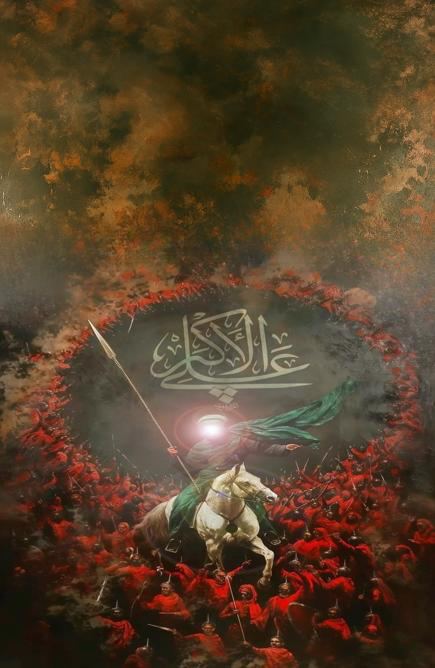
In Karbala, Imam Husayn (p) cast his own blood and that of Ali Akbar (p) and Ali Asghar (p) toward the sky. Yet, only Ali Akbar’s (p) blood is described in the texts as Murtaqa (the ascended).
MurtaQA
Both Ruqayyah and Murtaqa stem from the root Raqa, meaning to ascend, much like Ali, which signifies elevation. Such names, especially when used by the Infallibles, always reflect their true essence. Names descend from the heavens.
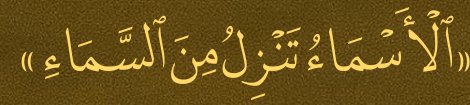
The shared root of these two names reflects their noble role in Imam Husayn’s uprising and the tragedies of Karbala. The path to perfection and nearness to God is through the sacred being of Imam Husayn (p) and the closest way to him is through these two blessed beings. Their pure lives, sacrificed in this path, is a divine proof, guiding towards Wilayah and serving as evidence on the day of judgment.

Immersed in the
Essence of God
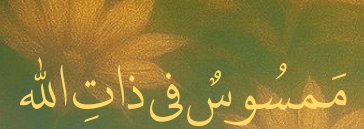
Is one of the attributes of Hazrat Ali Akbar (p), as described by Imam Husayn (p) at the time of Hazrat Ali Akbar’s farewell to the women of the household.

Let him go! He is immersed in the Essence of God and a martyr in the way of God.
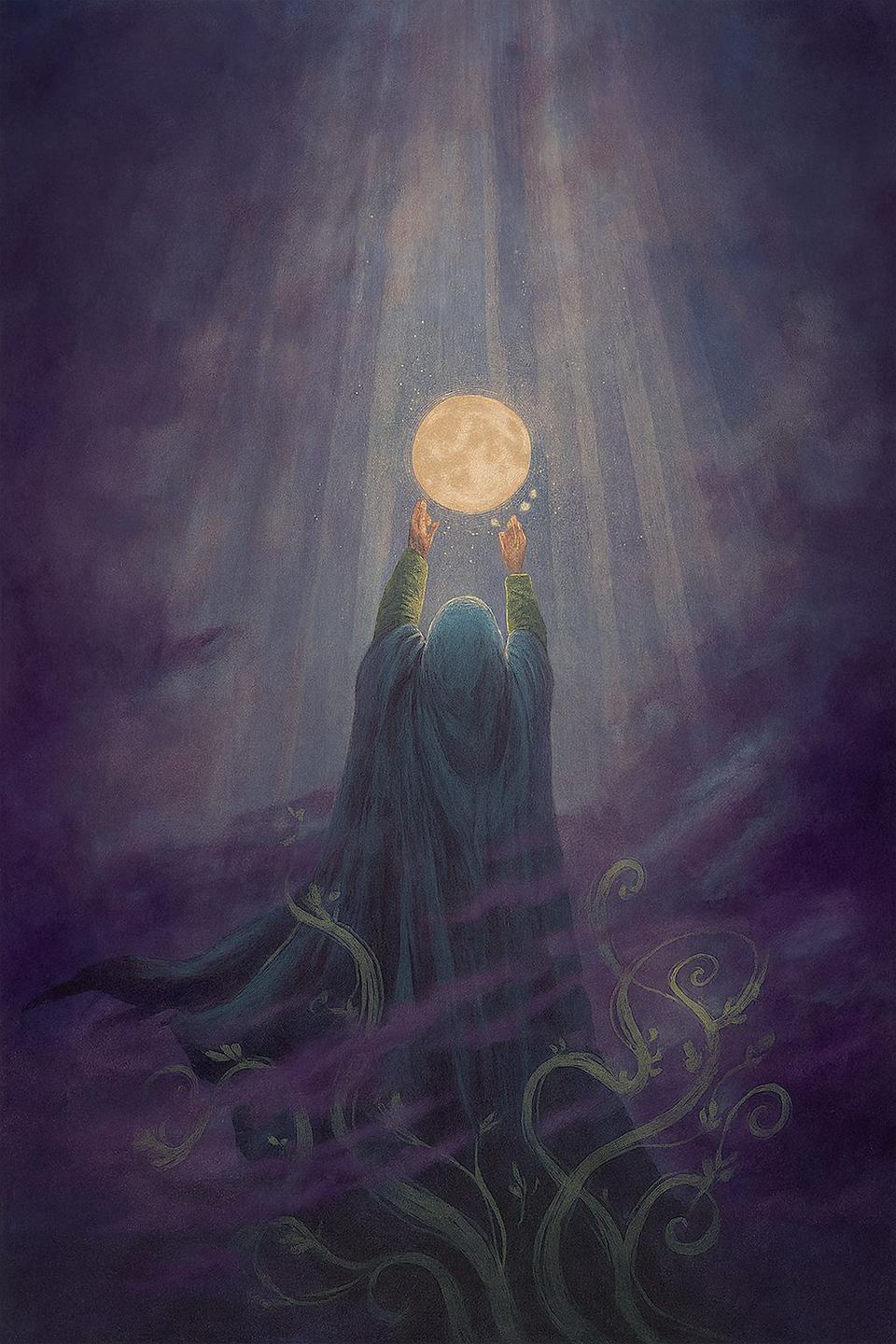
Immersed in the
Essence of God
Hazrat Aba Abdillah al-Ḥusayn (p) also used a similar expression regarding his daughter Fatima al-Sughra:
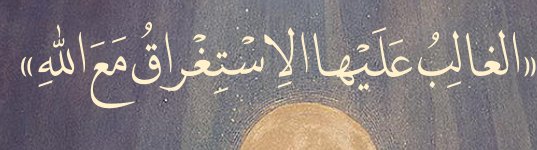
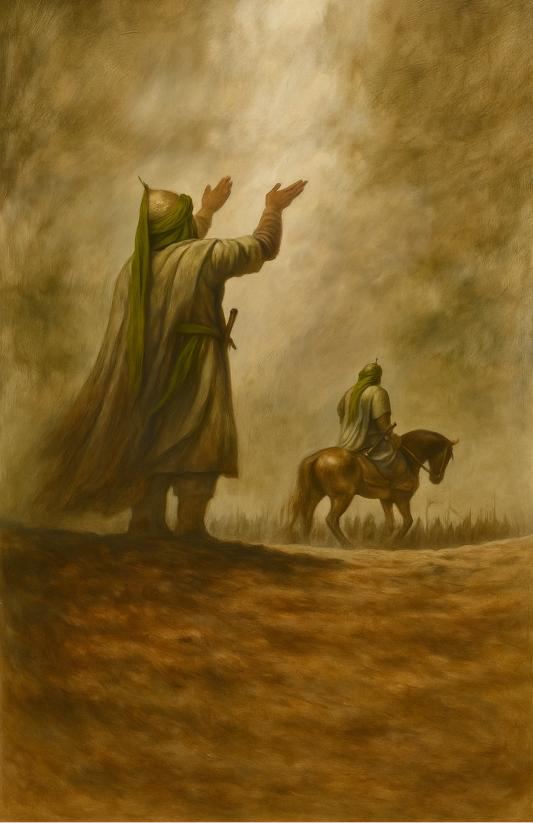
Intercessor
Indeed, the noble presence of Ali Akbar (p) was a manifestation of God’s vast mercy among creation. His role as an intercessor is clearly affirmed in passages of his Ziyarat.

My pure master! Intercede for me with your Lord so I may be freed from the burden of my sins and made light. Have mercy on my state of humility and submission before your noble presence and that of your esteemed father. May God's peace and mercy be upon you both.
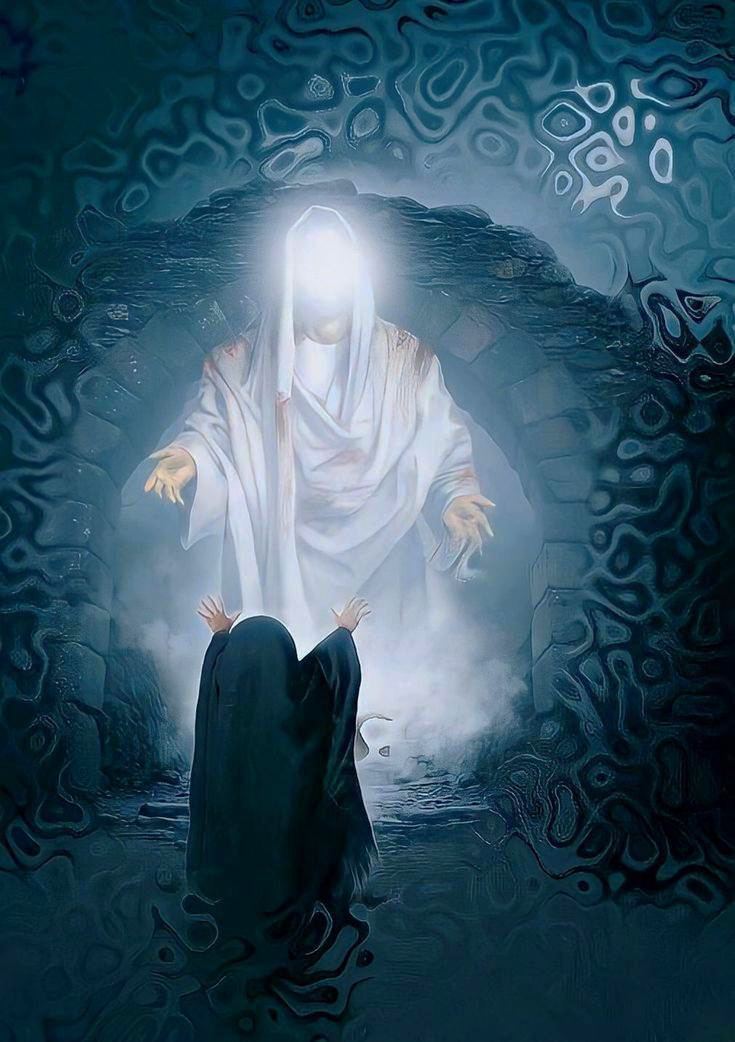
Intercessor
Hazrat Ruqayyah (p) holds the station of intercession, a rank Imam Husayn (p) promised her for her patience and suffering during captivity.
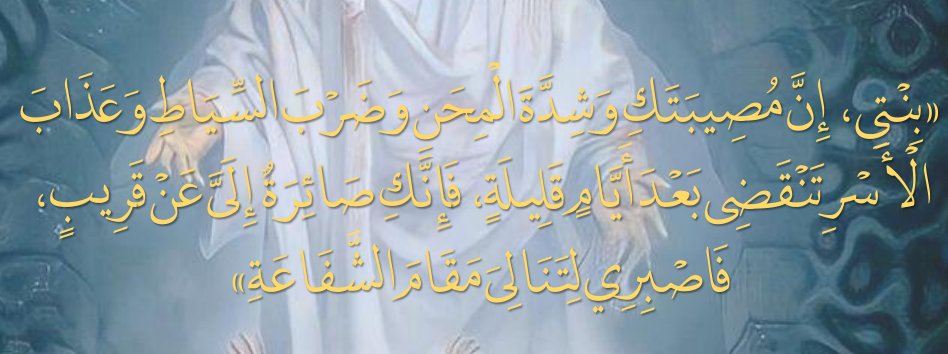
This is referenced in a passage from her Ziyarat.
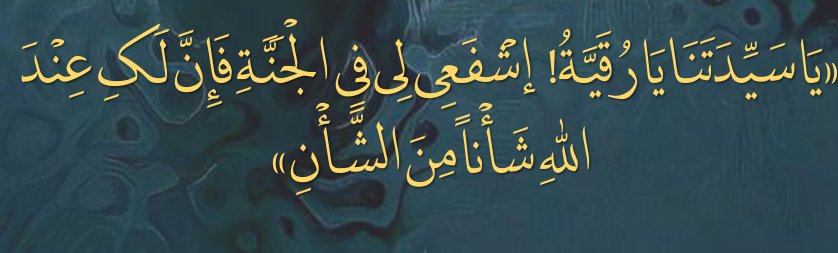
! «
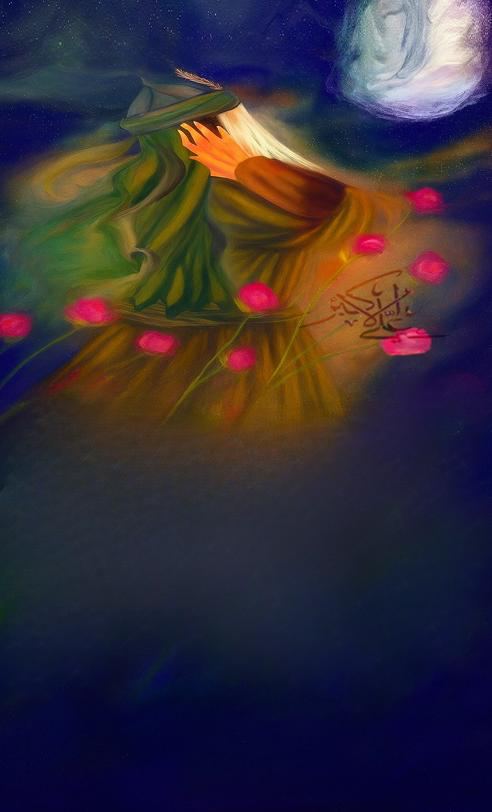
The Mu'azzin of Husayni Wilayah
Azan, as a reminder to the forgetful, is a light that affirms core beliefs and drives away devils. As a public call to prayer, it is ultimately a universal proclamation toward the Wilayah of Imam. Hazrat Ali Akbar (p) was the Mu’azzin of Karbala.
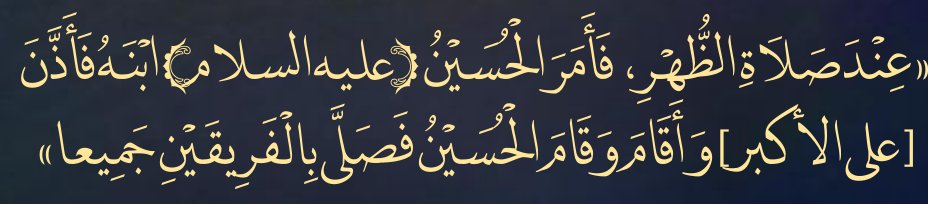
The title Mu’azzin of Karbala for Ali Akbar (p) reflects his role in proclaiming the Wilayah of Imam Husayn (p). That is why the Imam of his time described him as the most resembling of all people to the Prophet (p), for just as the Prophet was tasked with guiding people to the Wilayah of Imam Ali (p), so too was Ali Akbar (p) in Karbala.
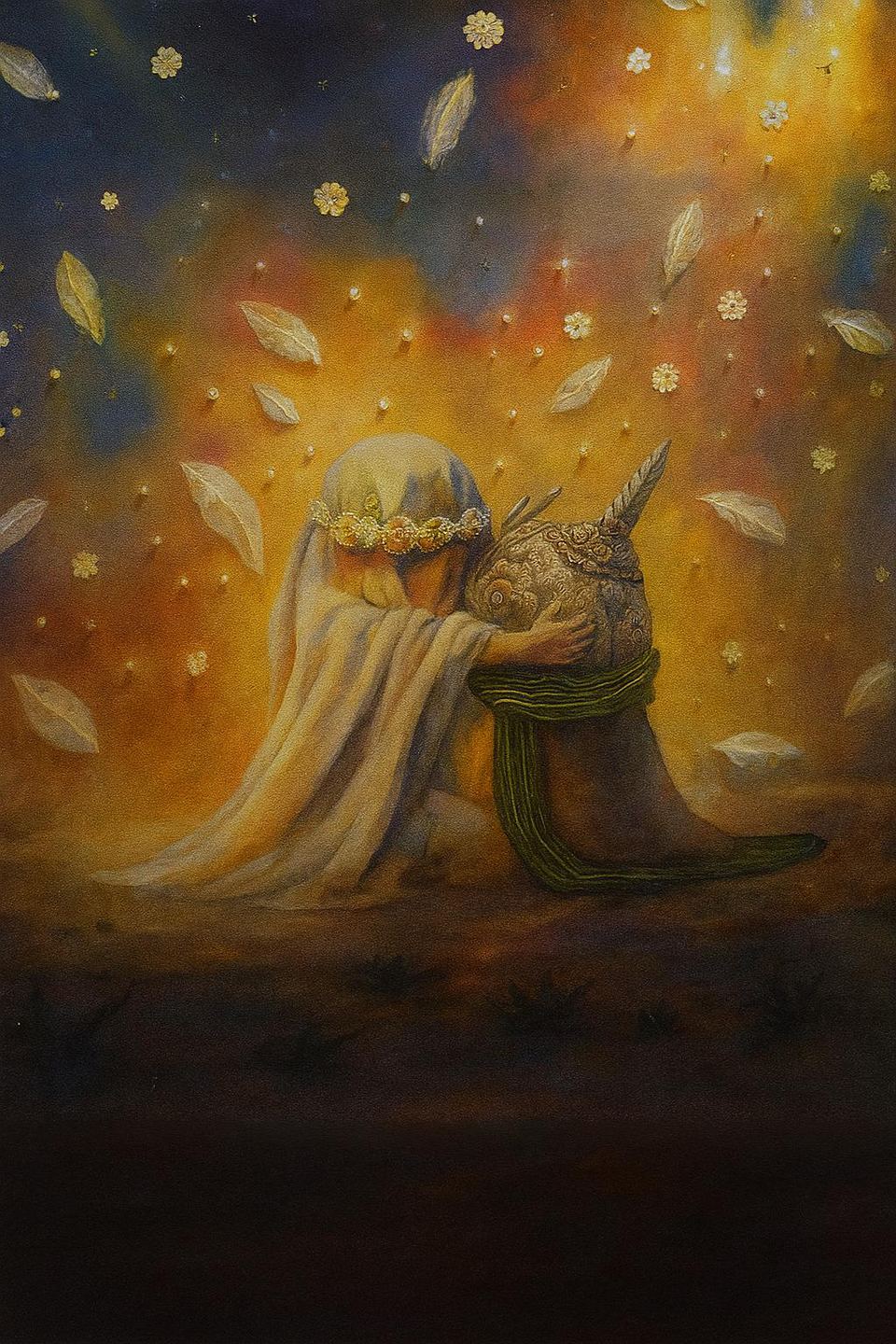
The Mu'azzin of Husayni Wilayah

» ! ! «
» ! «
The martyrdom of Lady Ruqayyah (p) in Sham and the presence of her shrine at the heart of the Umayyad regime stand as a profound declaration of Husayni Wilayah, especially for those astray from the path of the Ahlul Bayt (p). Her heartfelt elegies for Imam Husayn (p), particularly when embracing his sacred head, not only reflect the depth of the Karbala tragedy and the pain of captivity but also reaffirm that very message of Wilayah.
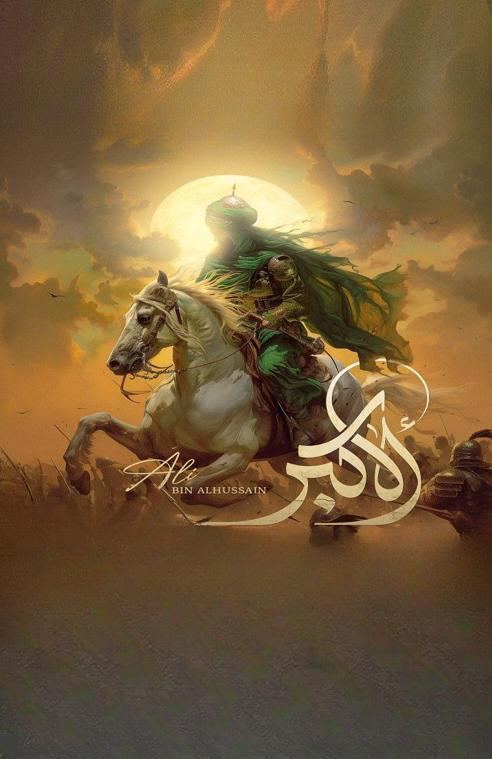
The Exposer of the Enemies
Hazrat Ali Akbar (p), related to Abu Sufyan’s family through his mother, was offered amnesty in Karbala by Banu Umayyah, but he upheld his kinship with the Prophet (p) as worthier.

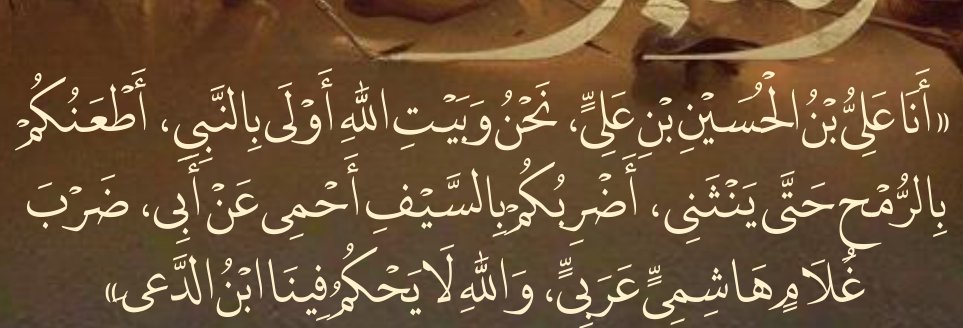
I am Ali, son of Husayn. By the Lord of the Ka‘bah, we are worthier of the Prophet’s succession. I strike you with spear and sword until they bend. The strikes of a Hashimi Alawi youth. By God, the illegitimate one shall not rule us.
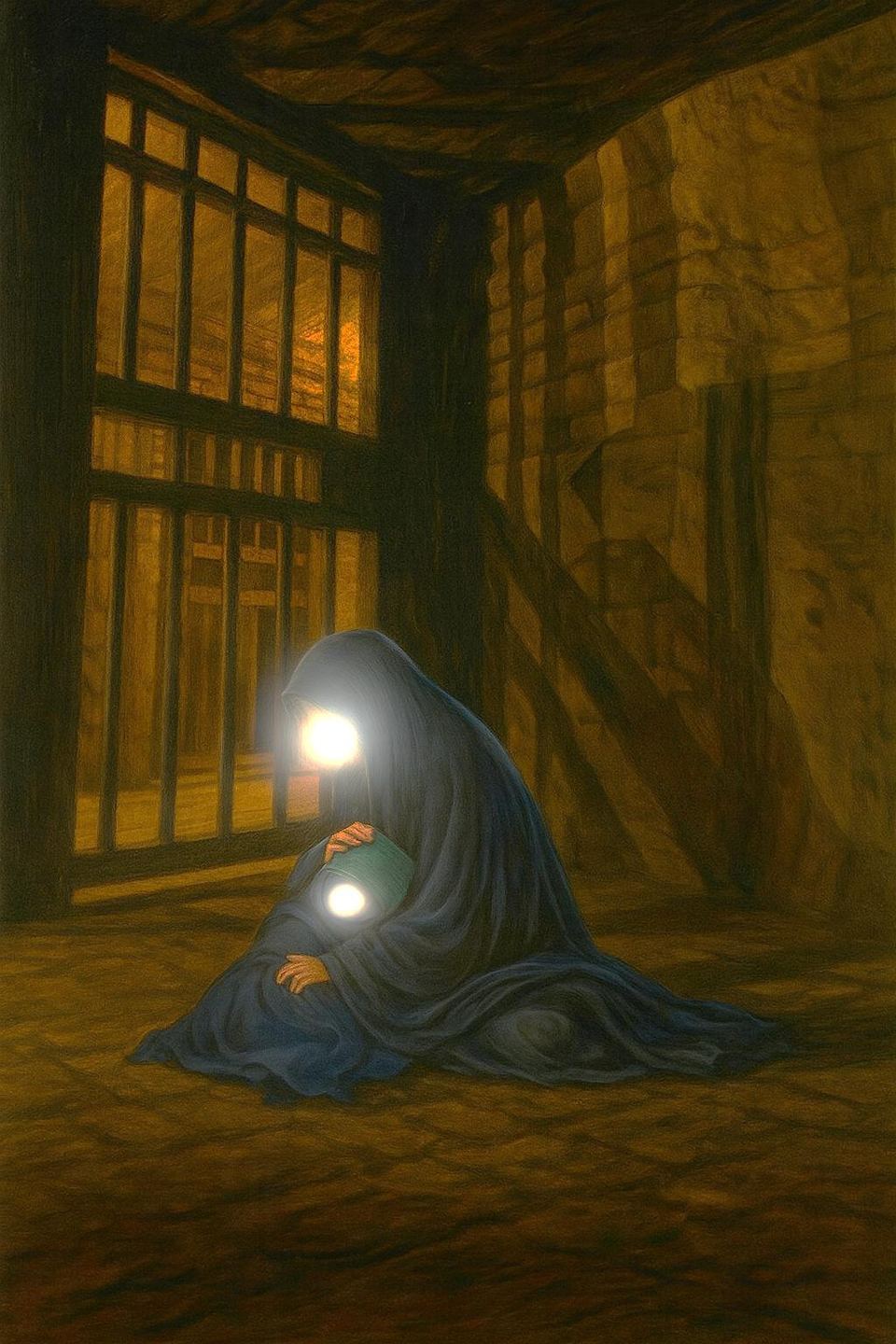
The Exposer of the Enemies
The martyrdom of Lady Ruqayyah (p) in Sham so exposed the cruelty of Banu Umayyah that the city's mood shifted, those who once attacked the captives now honored them. Moved by the tragedy, companions like Ibn Abbas wrote to Yazid, condemning his actions.
“One of the greatest disgraces of your era was parading the daughters of Abdul-Muttalib and their children through Sham like captives, just to show you had overpowered us. By God, if you escape my sword, you will never escape my tongue…”
Imam Husayn (p) left a sign in Sham to show that even small children were among the captives. The burial of Lady Ruqayyah (p) stands as a clear witness to their suffering, an injustice that made all the prophets weep. Even Jibra’il conveyed the tragedy of Imam Husayn (p) to Prophet Adam by God’s command.
The pillar of the sanctuary
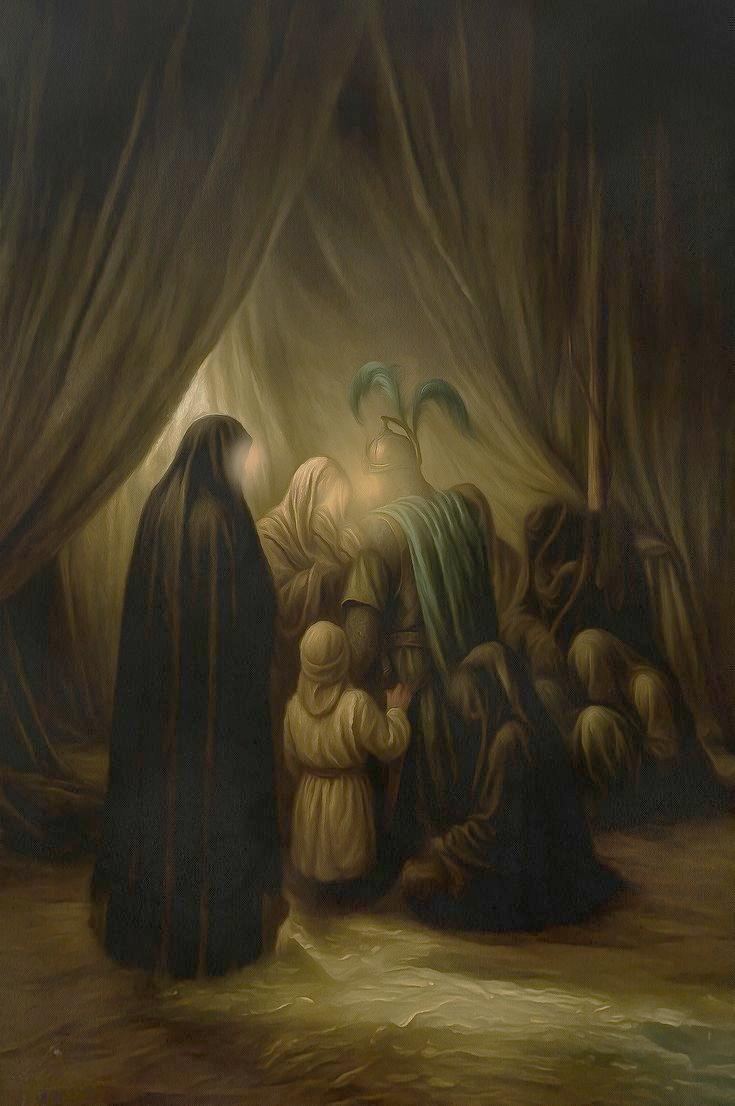
Hazrat Ali Akbar (p) was known as Sayyid Muqaddam, meaning the leader and foremost of his people in honor and precedence. When he entered the tent to bid farewell, the women surrounded him, weeping so intensely that Imam Husayn (p) asked them to let him go. At that moment, the famous plea was made by the women of the sanctuary.

! «
Dear Ali, have mercy on our loneliness, don’t rush to battle, we can't bear your separation..
At his martyrdom, the women’s cries and wailing filled the tents in sorrow and grief.
The pillar of the sanctuary
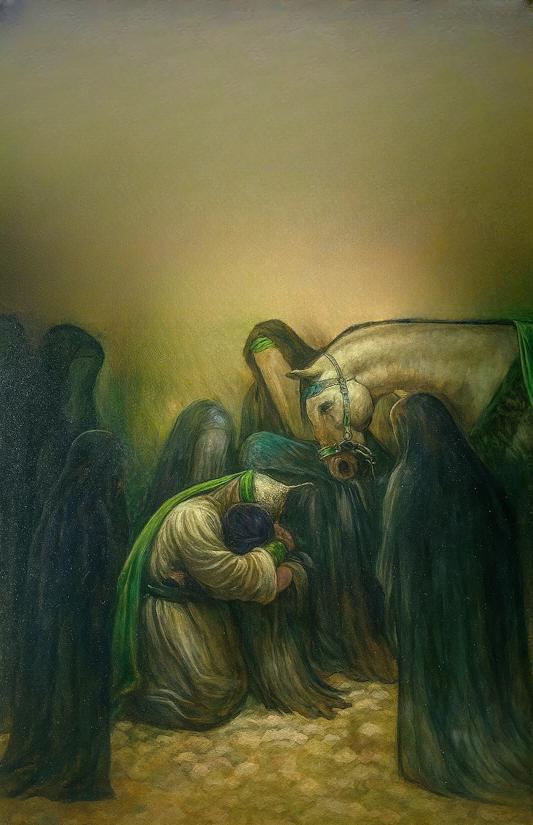
The same was true for Lady Ruqayyah (p). Her weeping moved the women of the sanctuary to tears and reminded them of Karbala’s tragedies. After her martyrdom, their mourning intensified so much that neighbors heard and rushed to the ruins.
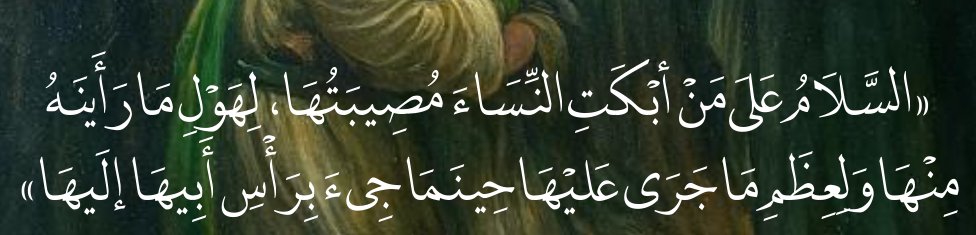
Peace be upon the one whose tragedy moved the noble women of Banu Hashim to tears, when they saw what befell her and the sorrow she endured as her father’s blessed head was brought before her.

Resemblance to Hazrat Zahra (p)
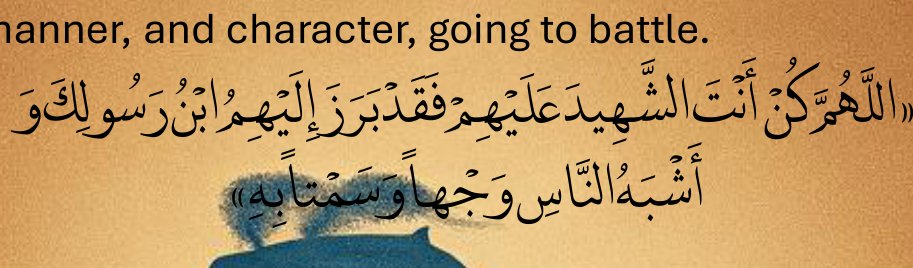
Imam Husayn (p) said: O Allah, bear witness, this is the son of Your Prophet, most like him in face, manner, and character, going to battle. «
It is also narrated that the one who most resembled the Prophet (p) was Hazrat Fatima al-Zahra (p).

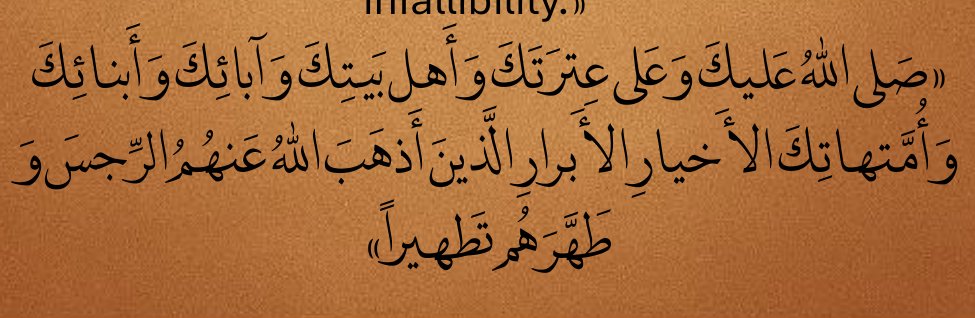
Thus, Ali Akbar (p) closely resembled Lady Zahra (p), as noted in his Ziyarat referencing his »Fatimid infallibility.«
Resemblance to Hazrat Zahra (p)
Regarding Lady Ruqayyah Khatun (p), a narration has also been transmitted from Imam Ḥusayn (p),

in which he stated:
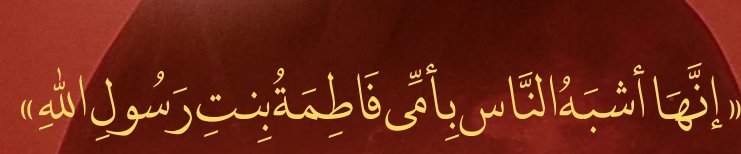
Indeed, she (Fatima bint al-Ḥusayn) is the most similar among people to my mother Fatima, the daughter of the Messenger of Allah (p).
The Grace of Hazrat Zahra (p)
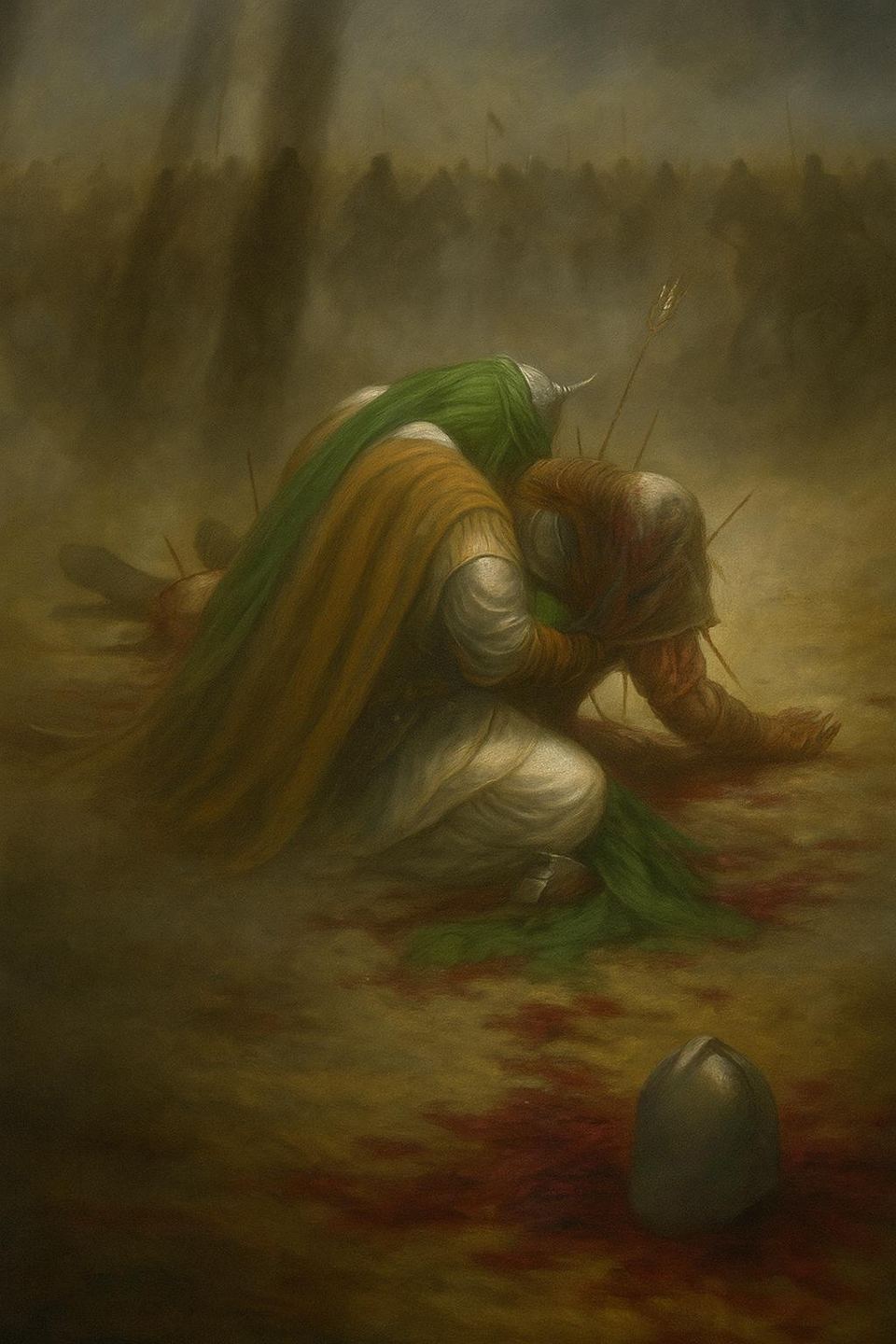
Lady Seddiqah al-Kubra (p) had special care for her grandson, Hazrat Ali Akbar (p). It is said she appeared at key moments in his life, most notably at his martyrdom, when he was struck on the head, called out to his father, bid farewell and said: My grandfather, the Prophet, Amir al- Mu’minin and my grandmother Fatima and Khadijah (p) are calling: ‘Hurry, we long to see you.
In another narration, after Ali Akbar’s martyrdom, Lady Zaynab (p) rushed to him, but the Imam Husayn (p) sent her back. Returning, Imam saw a Lady by his son and asked: Zaynab (p), didn’t I take you back? She replied: My son Husayn (p), I am Zahra (p), here to comfort you for Ali Akbar (p).
Imam Husayn (p) saw Ali Akbar (p) between joy and sorrow. Ali Akbar (p) said: Father, I smile seeing the Prophet (p) with the cup of water you promised, but I weep seeing Lady Zahra (p) beside me, looking at my wounds and your face, striking her head in grief and weeping.
The Grace of Hazrat Zahra (p)
This account also applies to Lady Ruqayyah (p). On the night of Sham-e-Ghariban, when she lay in the pit of Karbala, Lady Fatima (p) awakened Lady Zaynab and urged her to find her granddaughter.
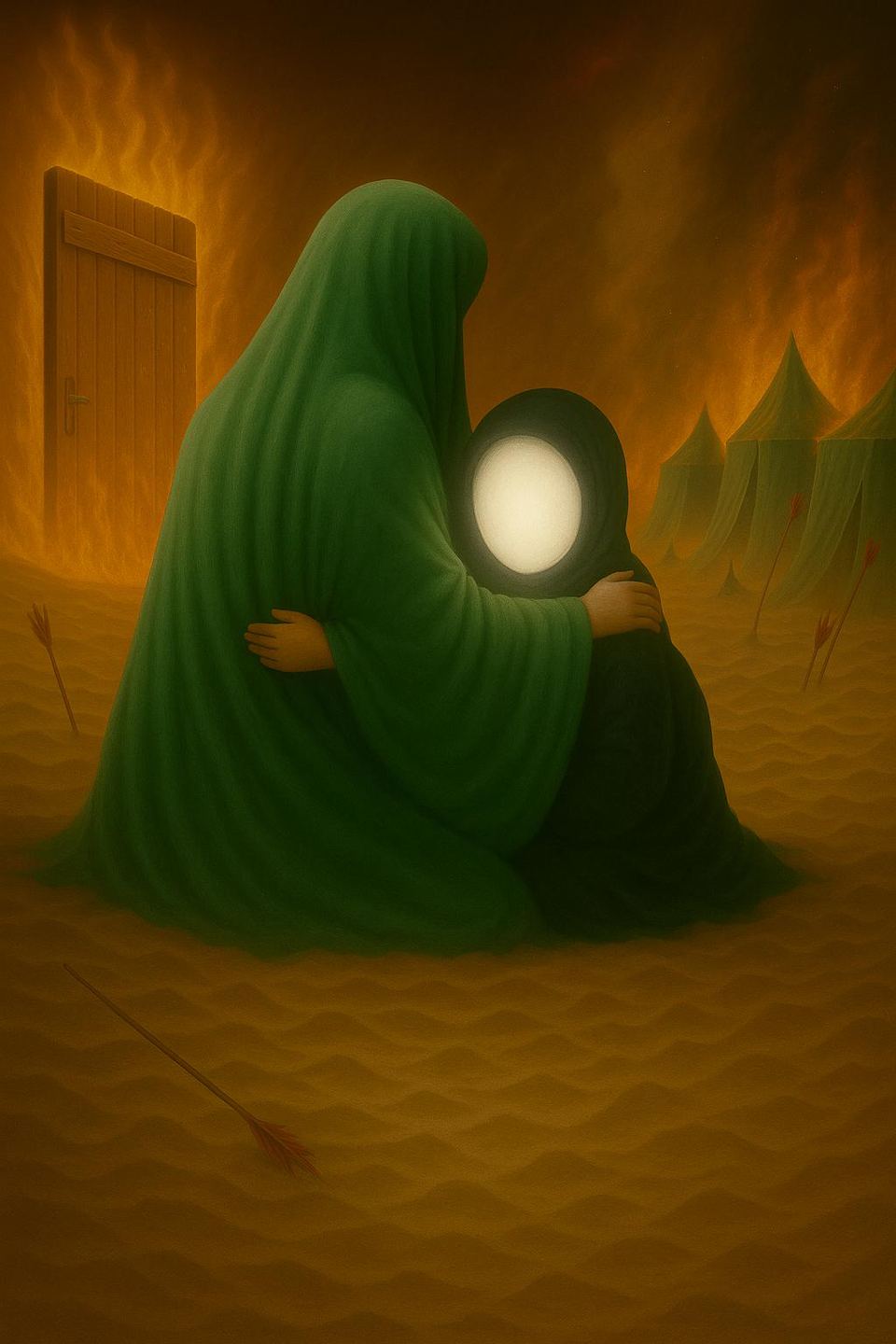
When the orphaned child of Imam Husayn (p) was left behind in the desert, her noble grandmother, Lady Fatima (p), came to comfort her.
It is said that when Lady Zaynab (p) saw the child missing, she threw herself from the camel and ran back, calling out in distress. She found a Lady holding the child’s head in her lap. The Lady replied: I am your mother, Fatima al-Zahra (p). Do you think I’d forget my son’s orphan?

It is said that after Lady Ruqayyah passed, Zaynab saw her mother in a dream, saying: Zaynab, when you wept for Ruqayyah, I wept with you.