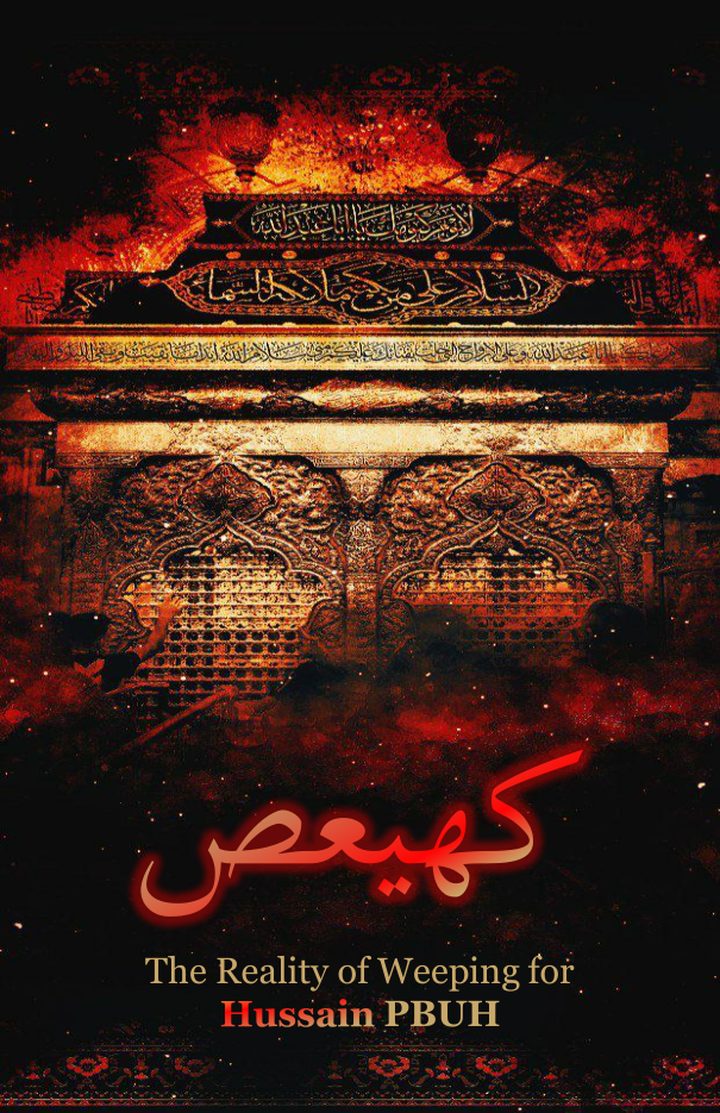
The Reality of Weeping for Hussain (PBUH)
The Reality of Weeping for
Hussain PBUH
Table of Content
▪INTRODUCTION
▪Hussain; The Tears of
Every Believer
▪Hussain; The Ship of
Salvation
▪Weeping for Hussain;
The Greatest Righteous Deed
▪Weeping for Hussain; The
Purifier of Heart
▪The Day on Which Everyone Is
Called With Their Imam
▪Weeping for Hussain; The Cause of
Connection of All Creation to Hazrat Tharullah PBUH ▪Weeping for Hussain; The Sign of a Humbled Heart
INTRODUCTION
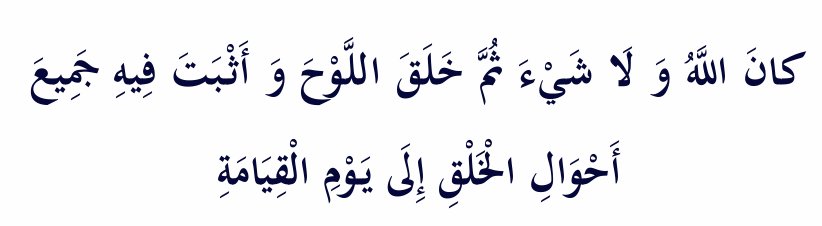
It was Allah and there was nothing else, then He created the Tablet ( Lawh ) and established in it all the states of creation until the Day of Judgment.

The first thing written on the Tablet with the pen was the description of the martyrdom (Maqtal) of Hussain (PBUH)
The Karbala of Aba Abdillah al-Hussain (PBUH), is the beginning and inception of existence, and the Quran is the knowledge of all existence and the clarification for everything:

And We have revealed to you, [O Muhammad], the Book as clarification for all things.
(Surah An-Nahl, Verse 89)
Therefore, Maqtal of Hussain (PBUH) and the tragedies of Aalullah (PBUTh) are mentioned in the inward meanings of the Quran.

Approaching near to Allah is possible with the remembrance (Dhikr) of Hazrat Sayyidu Shuhada (PBUH) which is same as remembrance (Dhikr) of Allah.
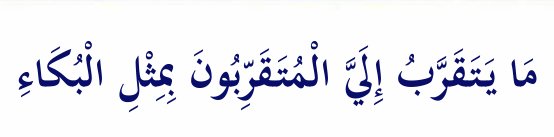
On this basis, among all remembrances, the best and most virtuous is weeping (Buka) for Hazrat Safint un-Najat, Misbah al-Huda, Mawlana al-Husayn (PBUH).
Therefore, the explainer and interpreter of the Quran, the reciter of the Book of Allah and its interpreter, Hazrat Waliu Allah al-A'zam, Imam al- Mahdi (may our souls be sacrificed for Him), has stated:
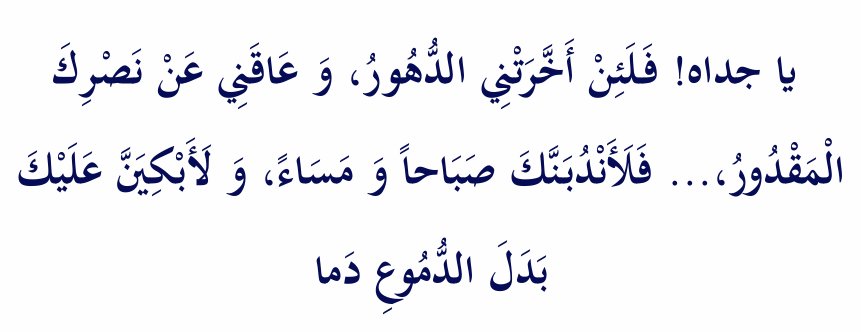
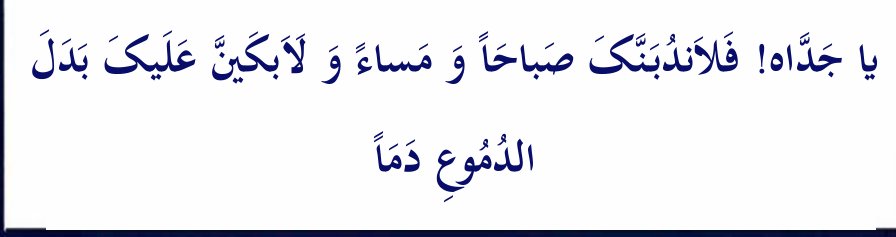
O My lonely Grandfather! Now that I have been hindered by the course of time and could not help You in Karbala, then I will lament for You morning and evening, and will weep blood in place of tears.
Hussain; The tears of every believer

We recite in the Ziyarat of Hazrat Aba Abdillah al-Hussain (PBUH):
Peace be upon the tears shed by every believing man and woman (Bihar al-Anwar, Vol. 44, p. 208; Kamil al-Ziyarat, p. 108)
How noble is the status of these tears; What significance has this tear reached? Imam Sadiq (PBUH) stated:
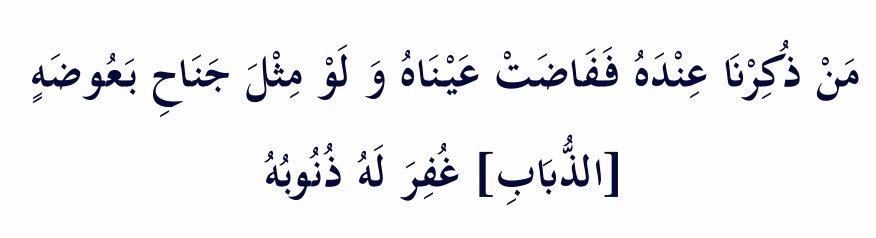
If someone sheds tears the size of a fly's wing in mourning for Hazrat Aba Abdillah al-Hussain (PBUH), at that moment, all their sins are forgiven.
(Kamil al-Ziyarat, p. 103)
This tear is the tear that cleanses and purify one's existence. Tear shed for Aba Abdillah al- Hussain (PBUH) is the greatest elixir, a flowing water. Hazrat Aba Saleh Al-Mahdi (PBUH) states:
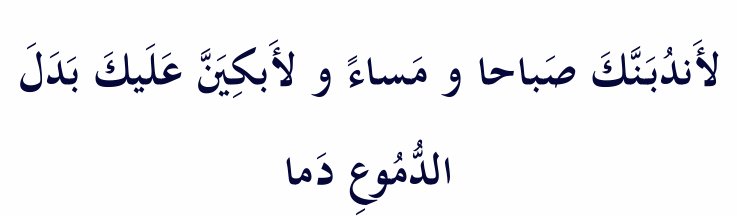
I will mourn for you morning and evening, and will weep blood in place of tears.
Imam Mahdi (PBUH) is engaged in mourning/ َ َل ندهب نَكfrom morning until evening, meaning at all times and moments throughout the day and night, remembering the tragedy of Karbala of Aba Abdillah al-Hussain (PBUH).
And indeed, Imam's weeping in blood in place of tears is a gushing spring that is constantly flowing.
Therefore, every believer, male or female, who attains the grace of shedding tears for Hazrat Aba Abdillah al-Hussain (PBUH) is benefiting from the outpouring of that same spring of

morning and evening. Thus, the blessings of this gushing spring from Hazrat Aba Saleh Al- Mahdi (PBUH) extend to every believer and to all the universes.
It is from the gushing of this spring that the "tears of every believing man and woman/ َ ع ْب ة َكه َِّمهؤ مِن َو attain such a dignity that we read for it in the
ziyarat of Hazrat Aba Abdillah al-Hussain (PBUH):

Peace be upon you, O tear of every believing man and woman
When these tears flow upon the existence of "every believing man and woman," it dignifies and values their existence.
Meeting this condition for the "tears of every believing man and woman" originate from the gushing of a spring that occurs every morning and evening.
And in this manner, believers follow their Imam in this greatest tragedy/َأ ع ظ م َر زِي َلت ه اand in this greatest elixir.
All the blessings destined to be bestowed upon anyone in this world are derived from this greatest elixir of the world.
Through this tear, which is of the essence of light, and by following Hazrat Aba Saleh al-Mahdi (PBUH), one can enter into all the blessings of the world. And by entering into these blessings, one tastes the honey of this endless sweetness.
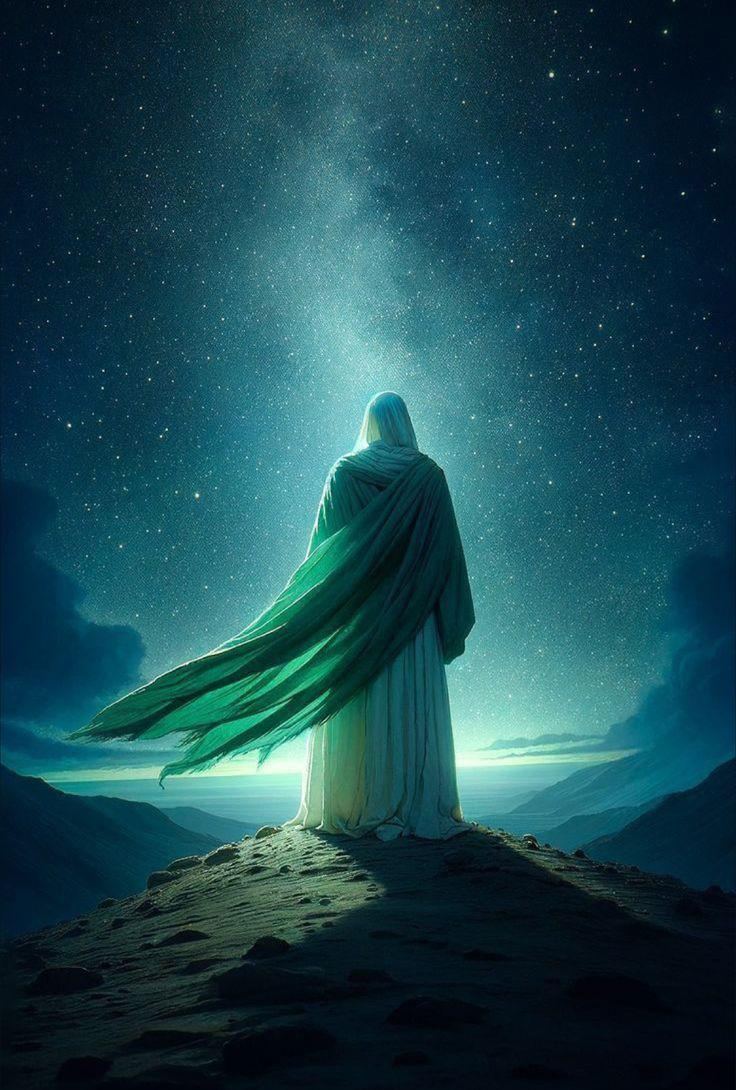
Hussain; The ship of salvation
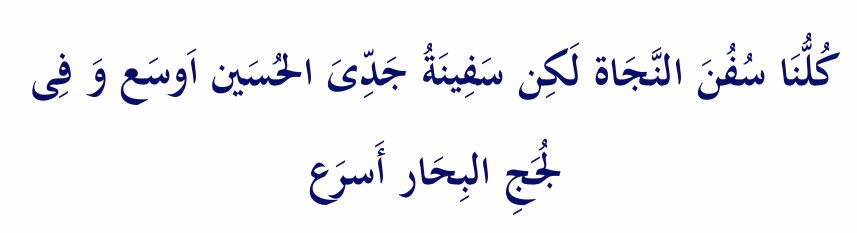
We, Ahl al-Bayt (PBUTh), are all ships of salvation, but the ship of My grandfather Hussain (PBUH) is broader, and it is faster in traversing the tumultuous waves of the seas.
(Bihar al-Anwar, Vol. 93, p. 294)
The quickest way to get closer to Imam al- Mahdi is to weep (Buka) for Hussain (PBUH).
The goal of every servant is proximity to whom they worship and proximity to their Imam.
Various paths bring us closer to Hazrat Hujjat ibn al-Hassan (may Allah hasten His reappearance), such as respecting our parents, giving charity, performing prayers on time, fulfilling religious obligations, and abstaining from prohibitions.
However, there is a path that is faster than all others in the journey towards proximity to Imam al-Mahdi.
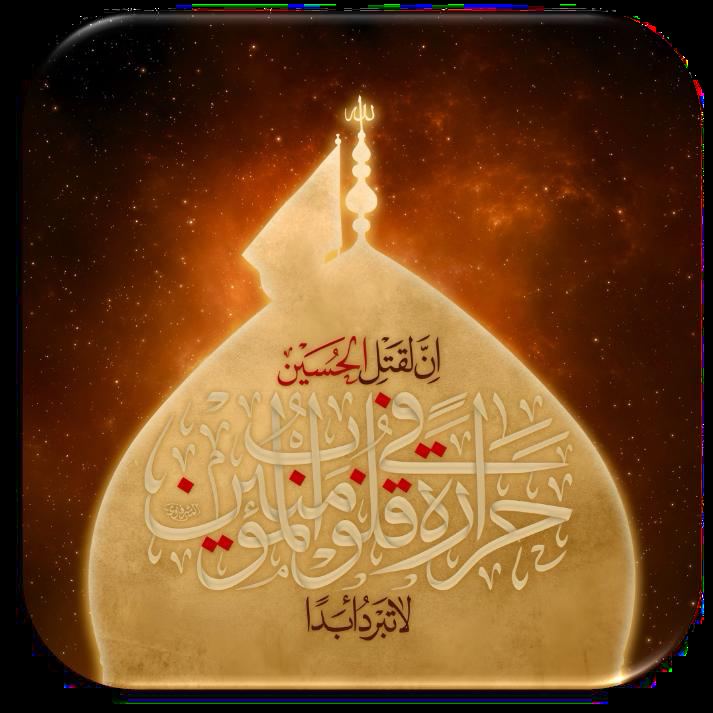
That is a path derived from the lifestyle and teachings of His Holiness, which Imam, Himself teaches us.
Hazrat Hujjat ibn al-Hassan (may Allah hasten His reappearance) states:

O My Forefather! I lament for You every morning and evening and weep, and if the tears in My eyes dry up, I weep blood for You. (Bihar al-Anwar, Vol. 98, p. 238)
Weeping for Hussain; The Greatest Righteous Deed
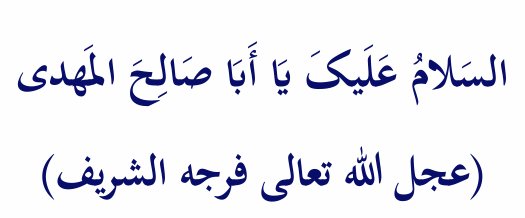
One of the titles of Imam Mahdi (Ajtfs) is “Aba Saleh” which means "the father of righteous deeds." But what is a righteous deed?
Prayer and Fasting is a deed. Hajj is a deed. It has been mentioned in numerous narrations that:
Amir al-Mo'menin (PBUH) stated:
I am the spirit of prayer.
(Bihar al-Anwar, Vol. 26, p. 2)
The Holy Prophet (PBUH&HF) stated:
I am the spirit of fasting (not the fasting itself).
(Bihar al-Anwar, Vol. 26, p. 2)
But among these deeds, Hazrat Aba Abdillah al-Husain (PBUH) said:
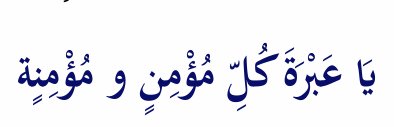
I am the tear itself.
(Bihar al-Anwar, Vol. 98, p.)
Therefore, the deed that both in appearance and in essence is Hussain (PBUH) Himself, becomes the best of all deeds; Thus, it becomes a righteous (Saleh) deed.
So, who is Aba Saleh (may our souls be sacrificed for Him); "the father of righteous deeds"?
Among the Imams (PBUTh), who holds the blessed title of "Aba Saleh"?
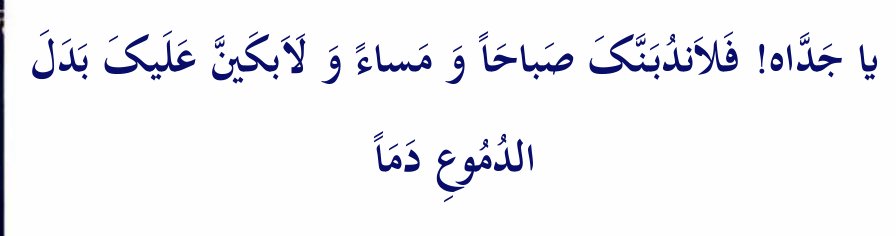
It is the one who performs the most righteous deeds; meaning the one who not only sheds tears for Hussain (PBUH), as all creation has cried for Aba Abdillah al-Hussain (PBUH), but also sheds blood instead of tears. That Imam who is Aba Saleh and states to His lonely Forefather:
Weeping for Hussain;
The Purifier of Heart
The sun purifies and cleanses impurities.
The sun is an absolute light that eradicates darkness.

(Mashariq al-Anwar al-Yaqeen, Vol. 25, p. 170)
Hussain (PBUH) is the sun of the realm of existence.
When the sun of Hussain’s (PBUH)
existence, shines upon a heart, all darkness is eradicated, and that heart becomes pure and purified, subsequently entering into light.
It is from weeping in the mourning ceremonies of Aba Abdillah al-Hussain (PBUH) that the heart becomes illuminated and purified.
If tears flow from the eyes, it indicates that the heart had become humble, and this does not occur unless the light of Hussain (PBUH) shines upon the heart, enveloping it entirely.
Thus, no darkness remains in it, and it is cleansed.
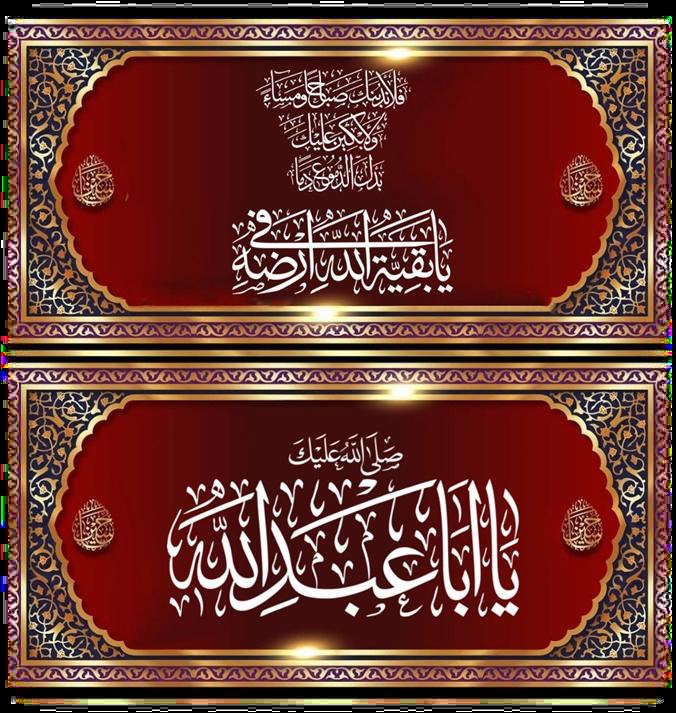
The living Imam of our time, Hazrat Mahdi (may Allah hasten His reappearance), is the guide who, through establishing mourning reciting for His lonely grandfather Aba Abdillah al-Hussain (PBUH), directs us to this secret of purification through weeping for Hussain (PBUH).
Where His Holiness addresses His grandfather, stating:
The Day on which everyone is called with their Imam

On the day We shall summon every people with their Imam. (Surah Al-Isra, Verse 71)
All creatures will be recognized on the Day of Resurrection by their Imam, their living Imam, the Imam of their Time.
We will be recognized on the Day of Judgment by name of Baqiyyatallah al-A'zam, Hujjat ibn al- Hasan al-Askari (Ajtfs), the Imam our Time.
Now, what is the characteristic of the Imam of our Time?
To become Mahdavi, we must understand what our Imam does morning and evening, so that we may follow Him to be like Him, so what action His Holiness would like for His Shia?
Being Hussaini is a condition for being
Mahdavi.
Because the characteristic of Hazrat Hujjat ibn al- Hasan al-Mahdi (PBUH) is weeping (Buka) for Hussain (PBUH).
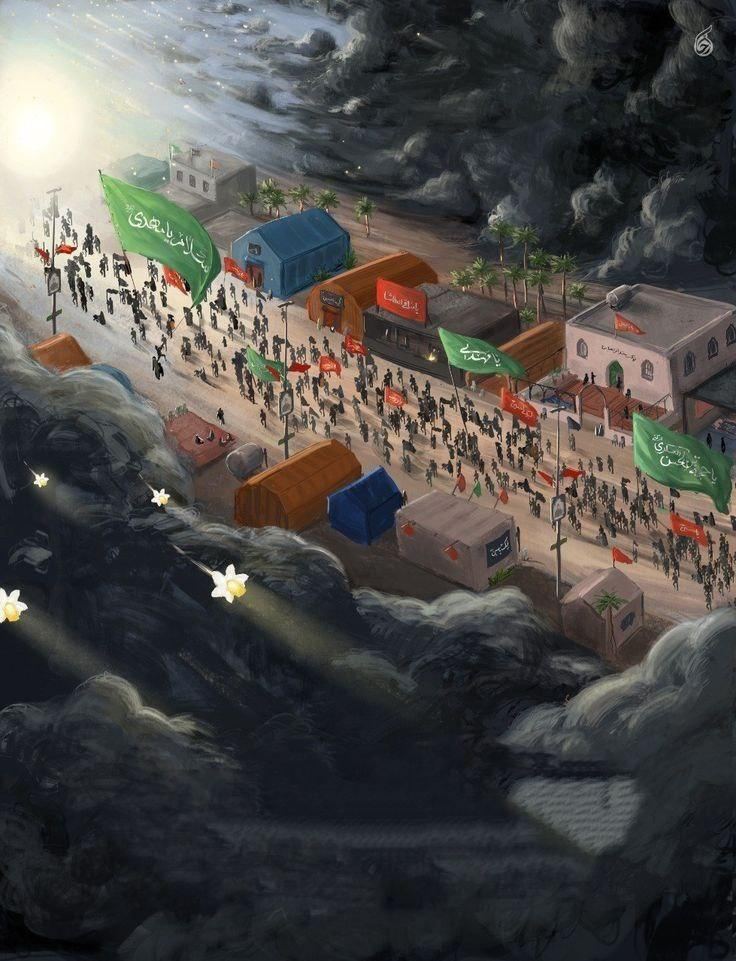
Our Imam weeps every morning and evening for calamity and oppression against His Lonely Forefather Aba Abdillah al-Hussain (PBUH) to the extent that He ‘will weep blood in place of

Thus, for Yusuf of Fatimah (PBUH), Imam al- Mahdi, characteristic is weeping for Hussain (PBUH), and whoever desires to be more Mahdavi in this world must be more Hussaini.
We, too, must become Hussaini for becoming Mahdavi, and attain the station of weeping for Hussain (PBUH).
The reappearance (Zuhur) means:

All creatures weep for Hussain (PBUH).
The Imamate of Imam al-Mahdi (Ajtfs) reaches its absolute manifestation on earth when there is continuous weeping morning and evening among the creatures. And in all times and in all places, everywhere becomes:

Every day is Ashura, every land is
Karbala. And Imam will state at the time of His reappearance:

O people of the world! Indeed, My grandfather Hussain was killed while thirsty.
(Ilzam al-Nasib, Vol. 2, p. 233)
This means the day when the entire universe recognizes Hussain (PBUH) and all creatures become mourners for Hussain (PBUH).
Therefore, the reappearance of Hujjat ibn Al- Hasan (may Allah hasten His reappearance) is Hussaini. It has been stated:

No one will remain on the Day of Resurrection who does not weep over Hussain (Kamil al-Ziyarat, p. 364)
The day of reappearance means;
The day that all creatures weep over Hussain.
(Al-Kafi (Kulayni), Vol. 4, p. 576)
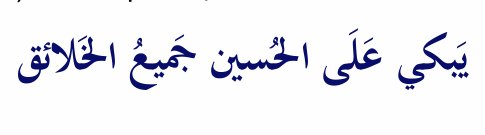
This means all creatures must recognize
Hussain and Karbala and Ashura of Hussain (PBUH), so that they can be addressed as 'O people of the world/ َ ألَای َأه َالع اَل ’ by the Imam of their Time, and thus fulfill the slogans "Ya Latharat al-Hussain (PBUH)" in avenging blood of the oppressed and thirsty Imam of Karbala.
Weeping (Buka) is the effect of the
Eulogy (Rawdeh) of the Beautiful Name of Allah (Asma Allah Al-Husna). The name for 'Remembrance/Dhikr of the Beautiful Name of Allah which is Karbala of Abi Abdillah Al- Hussain (PBUH)' has taken a special name unto itself. This special name, which is 'Remembrance of Asma Allah Al-Husna,' has become known as the eulogy (Rawdeh).
And the effect of this eulogy is called 'Buka' (weeping). The eulogy and lamentation (Marthiyeh) of Abi Abdillah Al-Hussain (PBUH) is the Remembrance of Asma Allah Al- Husna."
The Remembrance of Asma Allah al-Husna is:
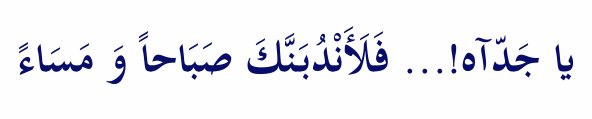
Fa La'andubannaka/َ َل ن دهب نَكhas taken the name 'Nudba/lament’. What illuminates the hearts of believers is the Remembrance of the Beautiful Name of Allah (Asma Allah Al-Husna), which is the elegy of Abi Abdillah Al-Hussain (PBUH).
The best remembrance of Allah is the
Remembrance of Asma Allah al-Husna. And it is the remembrance of Abi Abdillah al-Hussain (PBUH) which humbles the heart of a believer.
The result of this remembrance is 'Buka' (weeping), and the tear which flow from 'the eye of every believing man and woman.'
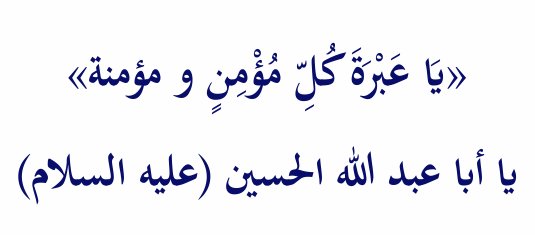
Proving the humility of a believer's heart is His/Her tear. And proving that there is no remembrance more noble than the elegy of Abi Abdillah (PBUH) in the world is that the result of this remembrance of Allah becomes the tear which we say:
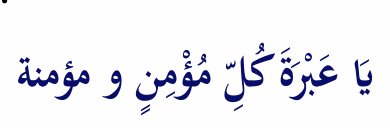
O tear of every believer
And it has been said:

Imam is the tear of the believer's eye.
(Manaqib Aal Abi Talib (PBUTh), Vol. 4, p. 78)
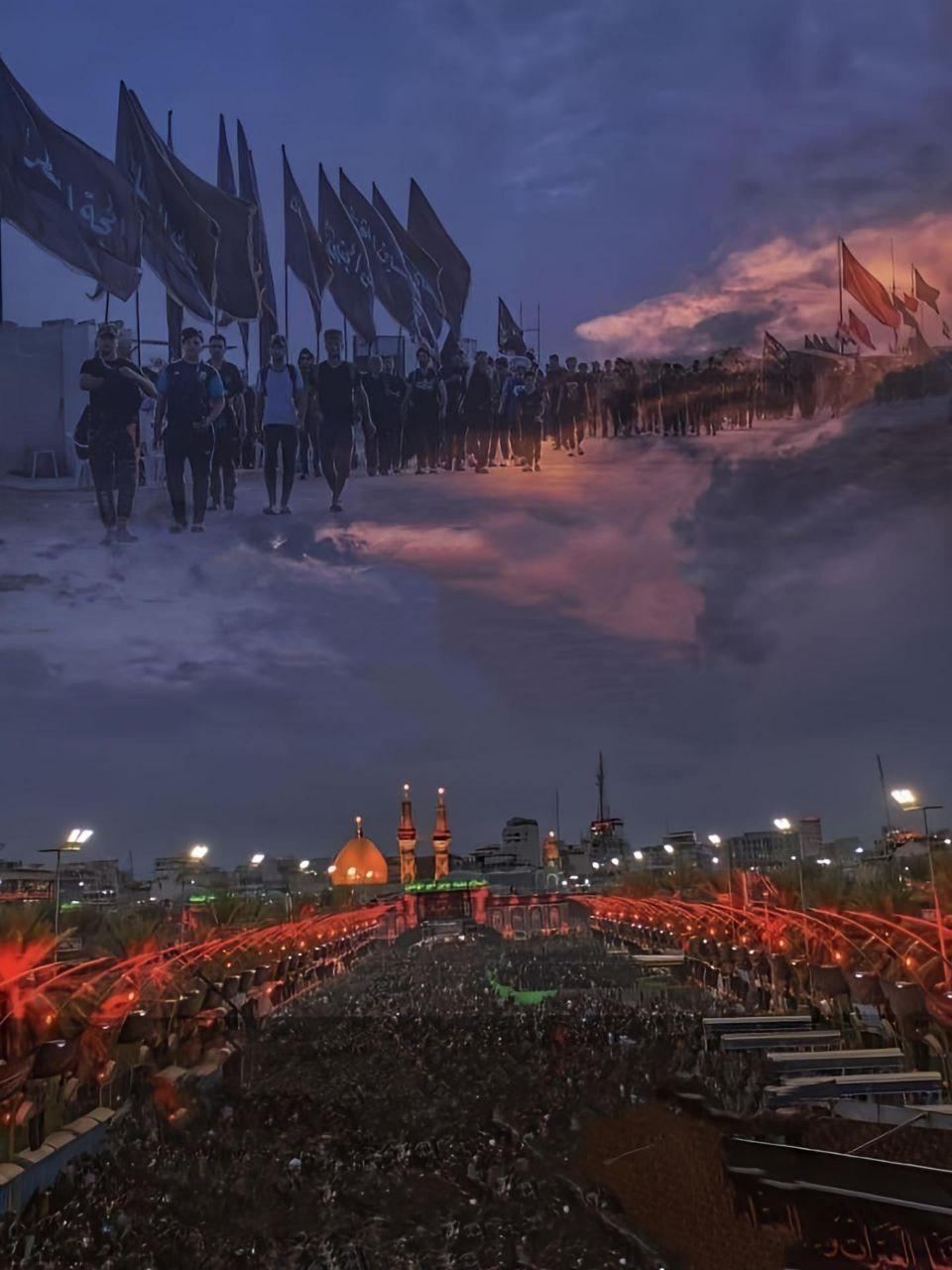
Weeping for Hussain; The Cause of Connection of All Creation to Hazrat Tharullah PBUH The proof of a believer's humble heart is their tears.
And this is the secret of the humility and humbleness of our father Adam (PBUH).
Adam's (PBUH) repentance was accepted when his heart humbled by mentioning beautiful name of Allah, and Gabriel recited to him the eulogy of thirst of Aba Abdillah Al-Hussain (PBUH).
And Adam (PBUH) cried over this calamity so that all the angels would see tears in Adam's face, which was a sign of the humbleness of his heart.
When his heart humbled, his repentance was accepted, and then Adam's (PBUH) prayer (Salat) was established.

(Al-Mu'minun, Verse 2)
Eulogy was recited for Ibrahim (PBUH), for Noah (PBUH), for Musa (PBUH), and all the prophets without exception, their hearts became submissive and humble by mentioning the beautiful name of Allah (Ismu Allah al-Husna).
They cried for Aba Abdillah (PBUH), shed tears (Buka) for Hussain, until their hearts became humble, and they gained the readiness to establish the guardianship (Wilayah) of Amir al-Mu'minin (PBUH) and performed the prayer (Salat).
This is following of all creation to Aba Abdillah Al-Hussain (PBUH) in establishing the Wilayah of Amir al-Mu'minin (PBUH).
And this is the connection of all creation, believers, prophets, saints, and the righteous to Aba Abdillah Al-Hussain (PBUH) through crying, in establishing the Wilayah of Amir al-Mu'minin (PBUH). For this reason, the prayer (Salat) is called Silatu Allah (the connection to Allah), what connects to Allah (Bihar al-Anwar, vol. 81, p. 246).
It is this weeping that connects all creation to Tharullah. And thus, through the mention of the beautiful name of Allah, their hearts become humble.
This crying of creation is a connection to Thar Allah (Imam Hussain), it is the connection to Him. This is the humbleness of the hearts in Dhikrullah.
And crying (Buka) for Hussain (PBUH) is the best form of crying.
It is a sign of a humble heart and carrying of Hussaini Wilayah (PBUH).
The greatest elixir in this world is tears for Hussain (AS), meaning there is no higher gem than this. But what kind of tears? It is said in the narration:

If someone cries, makes others cry, or tries to cry (Tabaki), Paradise is obligatory for him.
(Riyadh al-Abrar fi Manaqib al-A'imma al-Athar (PBUTh), Vol. 44, p. 308)
How can anyone in the world claim that I made people cry for Hussain (PBUH)?
We can only claim in this world that we are trying to cry (Tabaki). Which one of us can claim we have cried for Imam Hussain (PBUH)?
This crying of creation is a connection to Thar Allah (Imam Hussain), it is the connection to Him. This is the humbleness of the hearts in Dhikrullah.
And crying (Buka) for Hussain (PBUH) is the best form of crying.
It is a sign of a humble heart and carrying of Hussaini Wilayah (PBUH).
The greatest elixir in this world is tears for Hussain (AS), meaning there is no higher gem than this. But what kind of tears? It is said in the narration:

If someone cries, makes others cry, or tries to cry (Tabaki), Paradise is obligatory for him.
(Riyadh al-Abrar fi Manaqib al-A'imma al-Athar (PBUTh), Vol. 44, p. 308)
How can anyone in the world claim that I made people cry for Hussain (PBUH)?
We can only claim in this world that we are trying to cry (Tabaki). Which one of us can claim we have cried for Imam Hussain (PBUH)?
While Zainab al-Kobra (SA) has cried for Hussain (PBUH)!
While Amir al-Mu'minin (PBUH) has cried for Hussain (PBUH)!
While Fatima (SA) is the eulogist for
Hussain (PBUH)!
While Hujjat ibn al-Hasan al-Mahdi
(Ajtfs) recites the eulogy for Hussain
(PBUH) morning and evening!
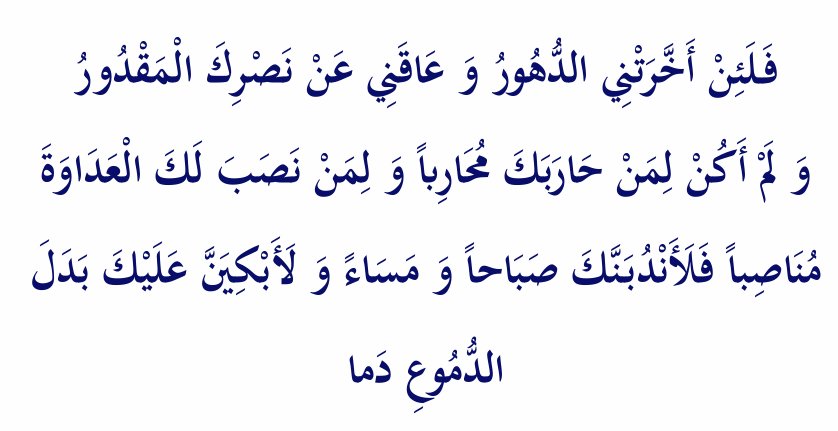
My lonely Forefather, Hussain!! If fate has placed a distance between Me and You, O Hussain (PBUH), O Hussain (PBUH), If I couldn't be there to help You, instead:
I will mourn for You morning and evening, and instead of tears, I will weep blood for You. (Bihar al-Anwar, Vol. 98, p. 238)
Mahdi of Fatima (PBUH) Himself is the eulogist, mourner, and weeper for His lonely Forefather, Hussain (PBUH).
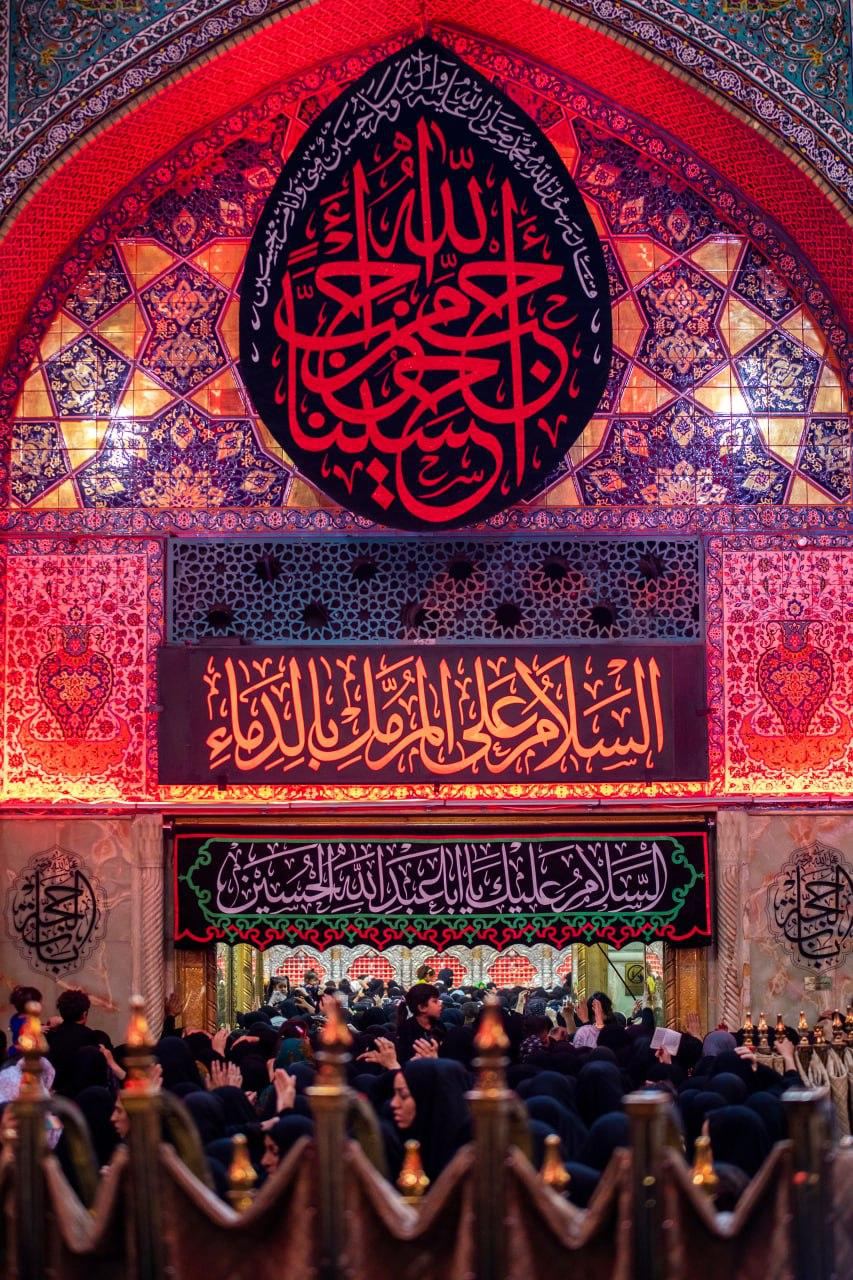
Weeping for Hussain; The Sign of a Humbled Heart
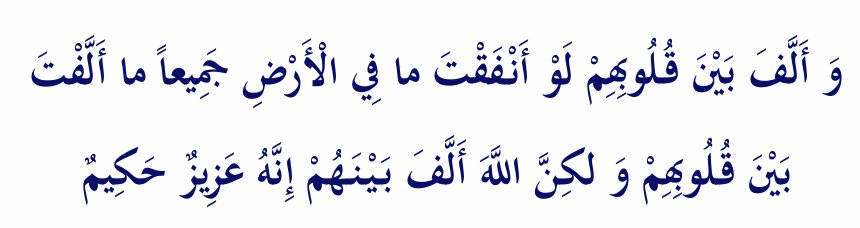
And He brought together their hearts. If you had spent all that is in the earth, you could not have brought their hearts together; but Allah brought them together. Indeed, He is Exalted in Might and Wise.
(Surah Al-Anfal, Verse 63)
The secret of tears for Aba Abdillah Hussain (PBUH) is this: unless the Imam establishes a connection with the servant, the servant cannot cry and weep. If the Imam does not humble a heart, all people in the world cannot make that heart humble.
Without permission of Imam Hussain (PBUH), no one can achieve the success of weeping during the remembrance of His sufferings.
Before a servant desires to shed tears, it is the Imam who desires it.
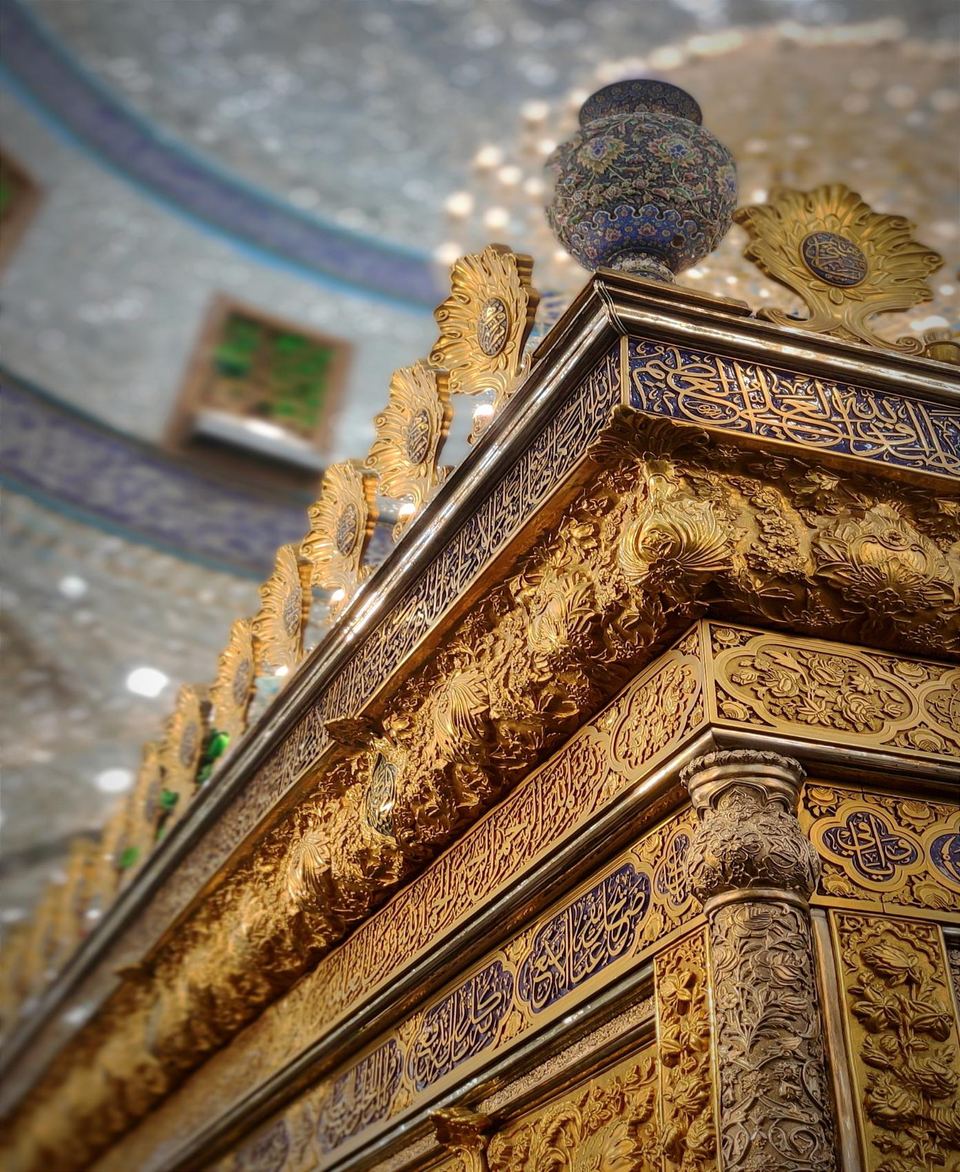
So, when a heart is broken, it must be known that Imam Hussain (PBUH) has looked upon that heart first, and thus the remembrance of Hussain (PBUH) leads to the humility of the heart. Through the tears shed for Aba Abdillah al-Hussain (PBUH), Allah the Almighty honors the believer with His grace.
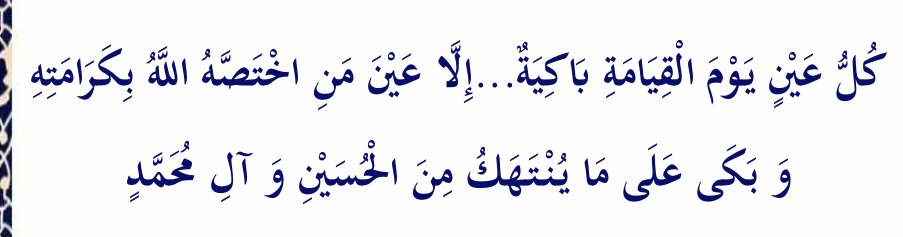
All eyes will weep (out of horror and grief) on the Day of Judgment except the eyes that Allah has honored with His grace.
And those are the eyes that weep over the calamity and the violation of the sanctity of Imam Husayn (PBUH) and the Ahlul Bayt (PBUTh).
(Al-Khisal (Sheikh al-Saduq), vol. 2, p. 625 )
This weeping and crying are a grace and distinction from Allah the Almighty.
Therefore, a believer never deprives himself of this grace.
Imam Ali ibn Musa al-Ridha (PBUH) said to Ibn Shabib:
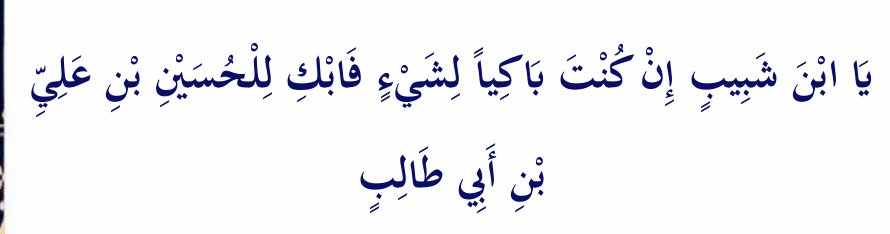
O son of Shabib! If you intend to weep over something, then you should weep over Husayn ibn Ali ibn Abi Talib (PBUH).
(Uyun Akhbar al-Ridha (Sheikh al-Saduq), vol. 1, p. 299 )
Today, the one who calls for and leads the weeping over the calamities of Hussain (PBUH), and the one who brings hearts to humility and obedience, is the Imam of our time, who Himself weeps blood every morning and evening over the calamity of His lonely grandfather. And the Shia and companions of Imam al-Mahdi (may our souls be sacrificed for Him) following their master, weep and lament for Aba Abdillah Hussain (PBUH) morning and evening.

Peace be upon You, indeed I have intended to come to You and hope for salvation with You.

So if time has delayed Me and kept Me away from helping and supporting You;

Then I will lament for You morning and evening, and I will shed tears until I weep blood instead of tears.
(An excerpt from Ziyarat al-Nahiya al-Muqaddasa)