Ziyārat Nāḥiyah al-Muqaddasah

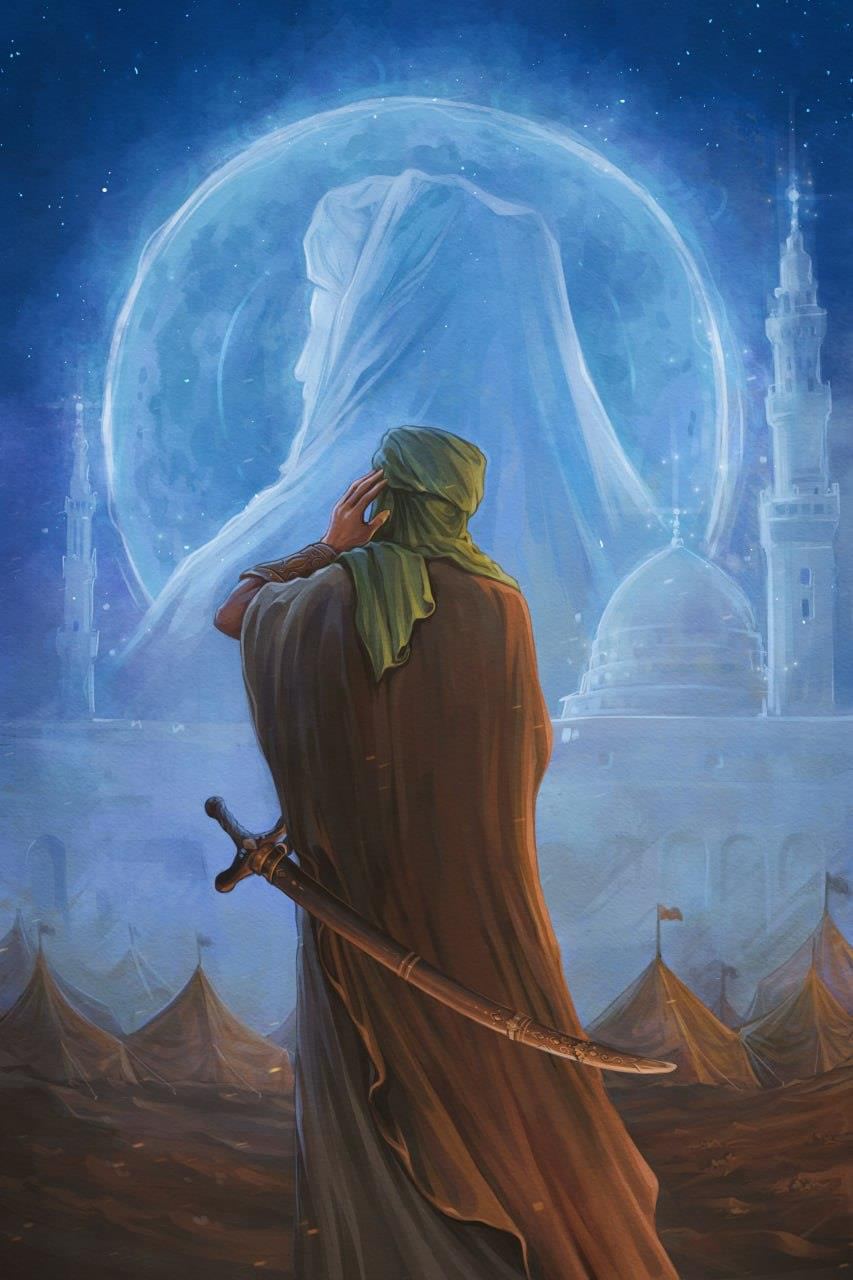

Ali al-Akbar (p) resembled many… He was the most resembling of all people to the Prophet (p) in appearance, in character, and in speech. His forehead… resembled his grandfather Ali (p). His side… resembled his grandmother Fatimah (p). And in the end…he resembled Quran, verse by verse, page by page.
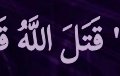
When Imam Husayn (p) reached the torn-apart body of his son Ali Akbar (p), the scene affected the Imam so deeply that he invoked a curse upon that people, saying:
قَوْمًاَقَتَل وك"May Allah destroy a people who killed you!"
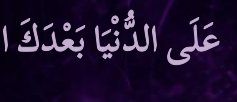
In that moment, the Imam was so overtaken by grief that his weeping rose aloud —and no one had ever heard him weep like that before. Then Imam said:
الْعَفَا"After you... Woe to this world after you!"
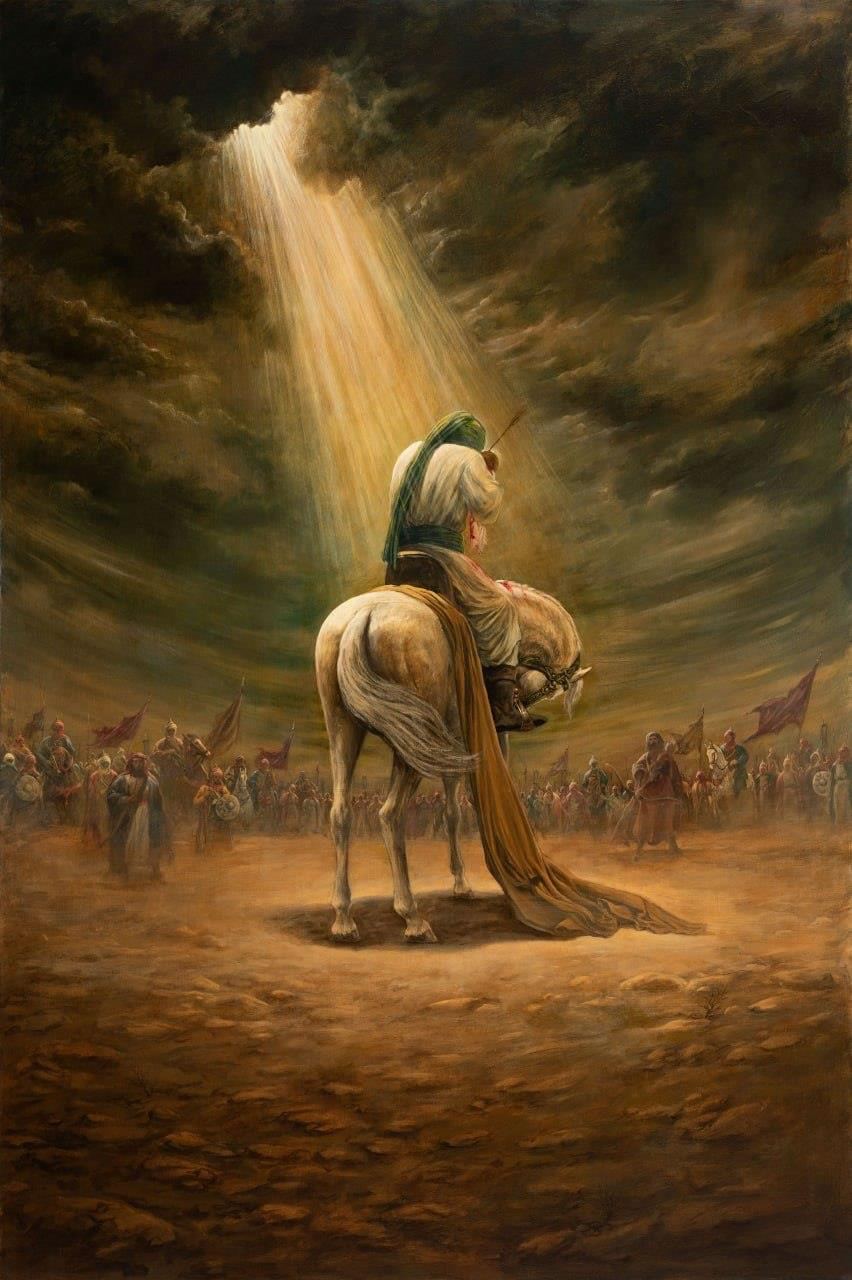
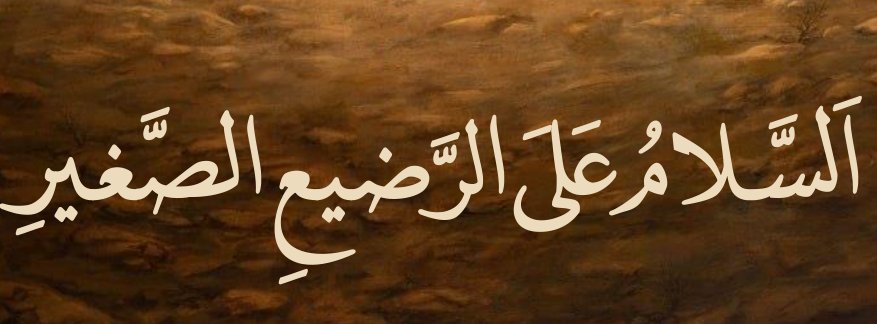
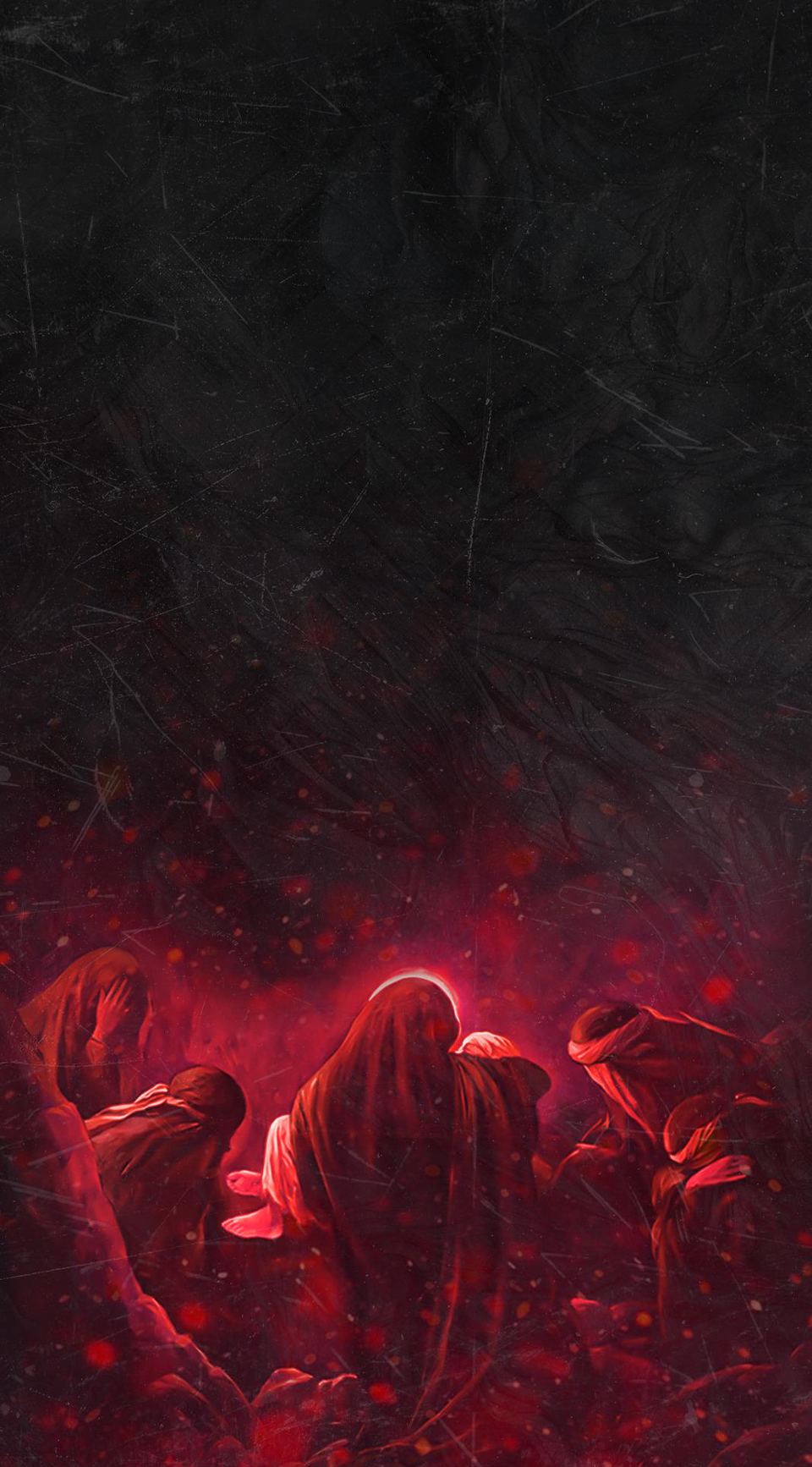
Karbala had a surah — smaller than surah al-Kawthar, whom on the noon of Ashura, blood gushed forth from his throat... He was a divine message to answer the call of “Is there any helper to aid Me” of Hussain (p), he was an infant who had only six months passed since his revelation.
When Imam Sajjad (p) was asked about Hazrat Ali Asghar (p), he replied:
"He was in the throes of death from the severity of thirst.“ My father took him to the battlefield, hoping to get water for him, but that oppressive nation responded by severing his head with a three-pronged arrow... Then, my father brought him behind the tents to bury him.
His mother, Rubab (p), held him in her arms and said: “Ali... my dear son... my heart was attached to you, they also took you from me, they scorched and shattered my heart...”
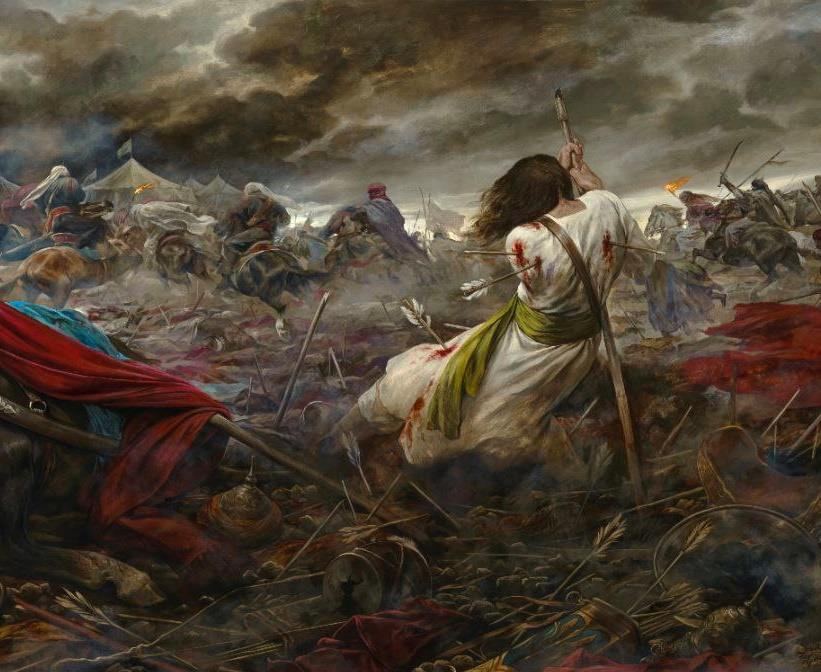
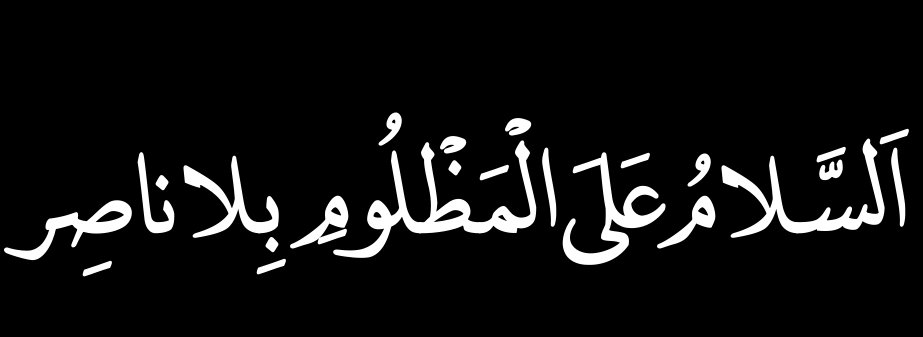
Peace be upon the oppressed one who was without a helper
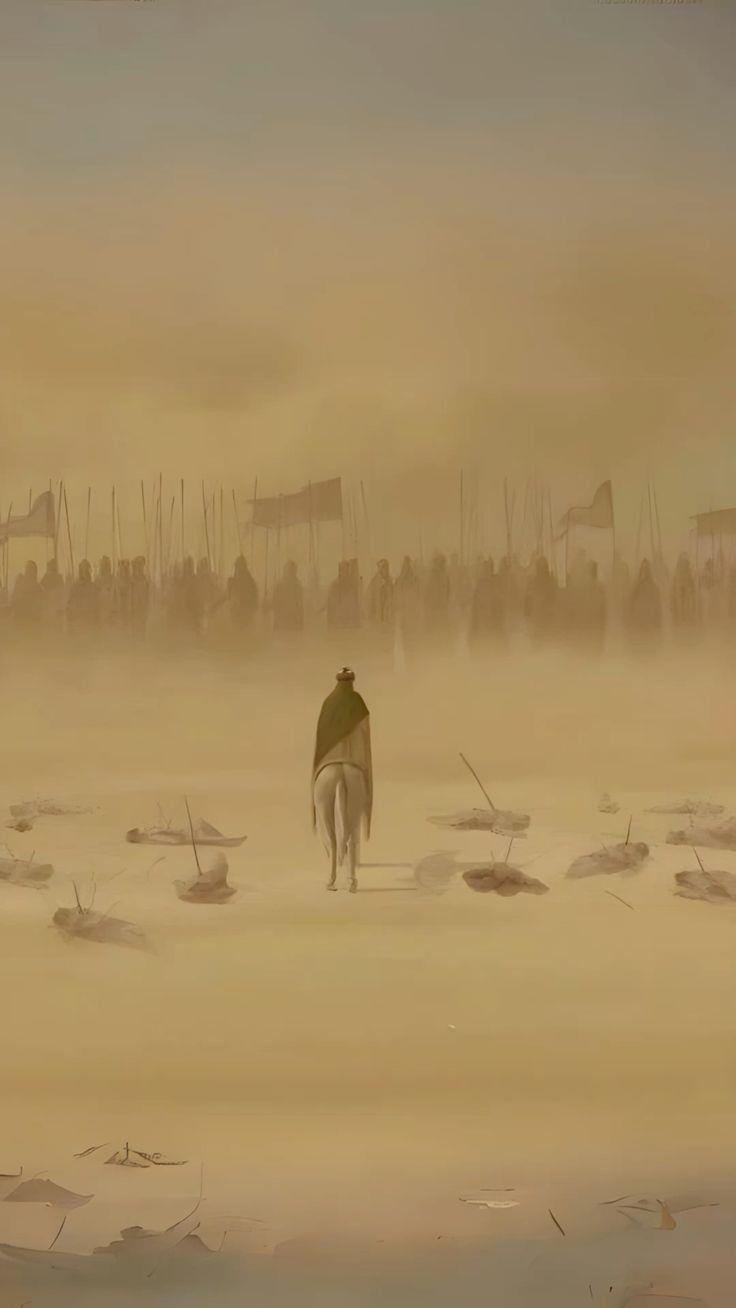
On the Day of Ashura, Hazrat Abā ‘Abdillāh al-Husayn (p) wept intensely. He looked to His right and to His left but saw none of His companions or loved ones—all had been martyred, lying lifeless upon the soil. From the depth of His broken heart, He sighed, and then called out to His family and companions, saying:
“O Ali, my noble youth, my sapling of hope —Ali Akbar, rise and see your estranged father…” “O my standard-bearer, O my supporter—Abbas, my brother, rise and aid this lonely one…”
Yet there came no reply…
Then Imam cried out:

Why is it that I call upon you, but you do not answer me?
Why do I ask for your help, but you do not rise to aid me?
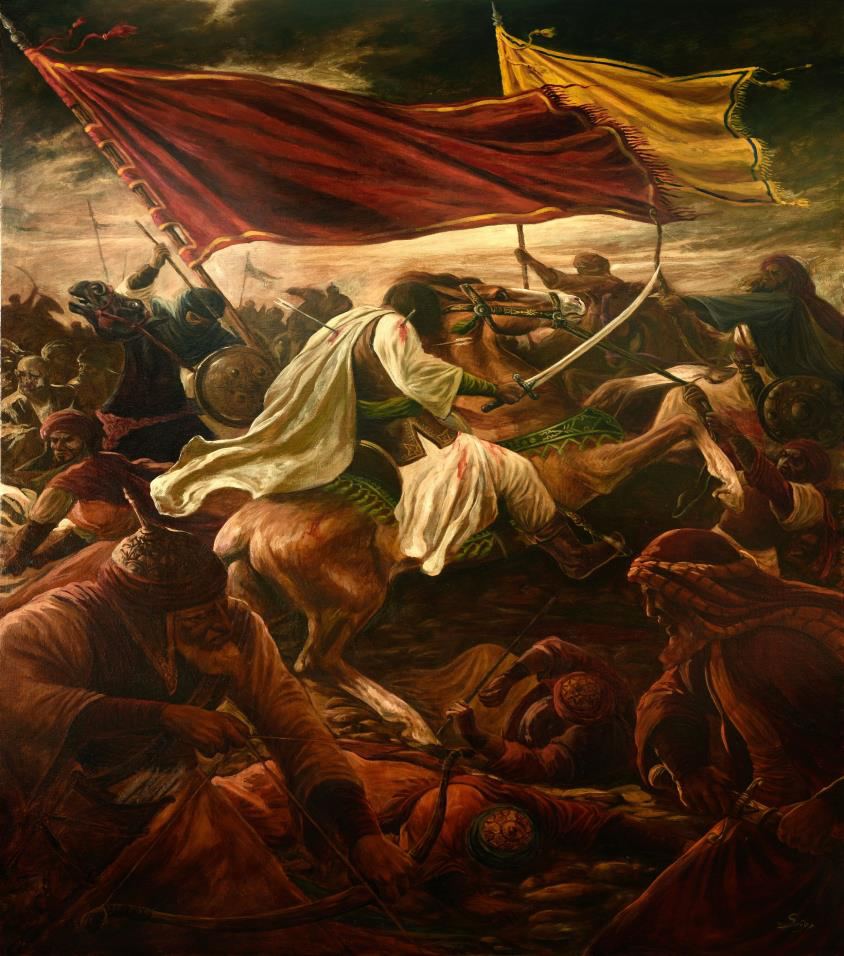
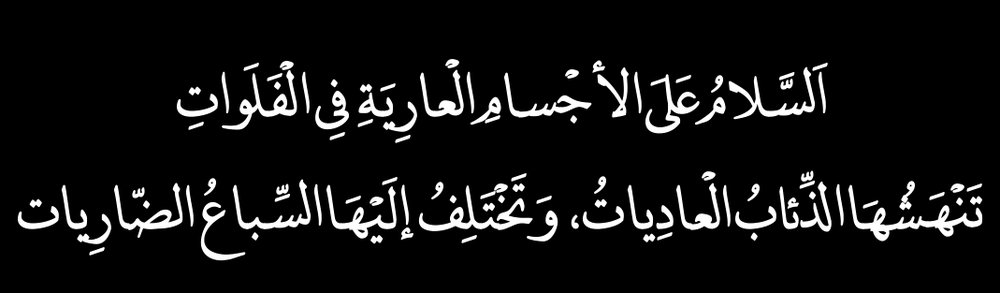
Peace be upon the unclothed corpses in the desert, bitten by wild wolves and around whom the beasts of prey prowled
The murderers of Imam Husayn (p) are the most wretched of the wretched—men in whom the full savagery and depravity of wild beasts manifested.
Those predators on the plain of Karbala tore apart the pure bodies of the Prophet’s descendants (p) and violated the sanctity of the women in ways no beast in desert would commit.
In this passage of Ziyārat as well, Imam al-Mahdi (Ajtfs) refers to the wolf-like nature and savage instincts of those who killed Sayyid al-Shuhadā (p).
Thus, the true “wolves and predators” of Karbala plain were none other than the killers of Imam Husayn (p)— those who encircled and mutilated the blessed bodies.
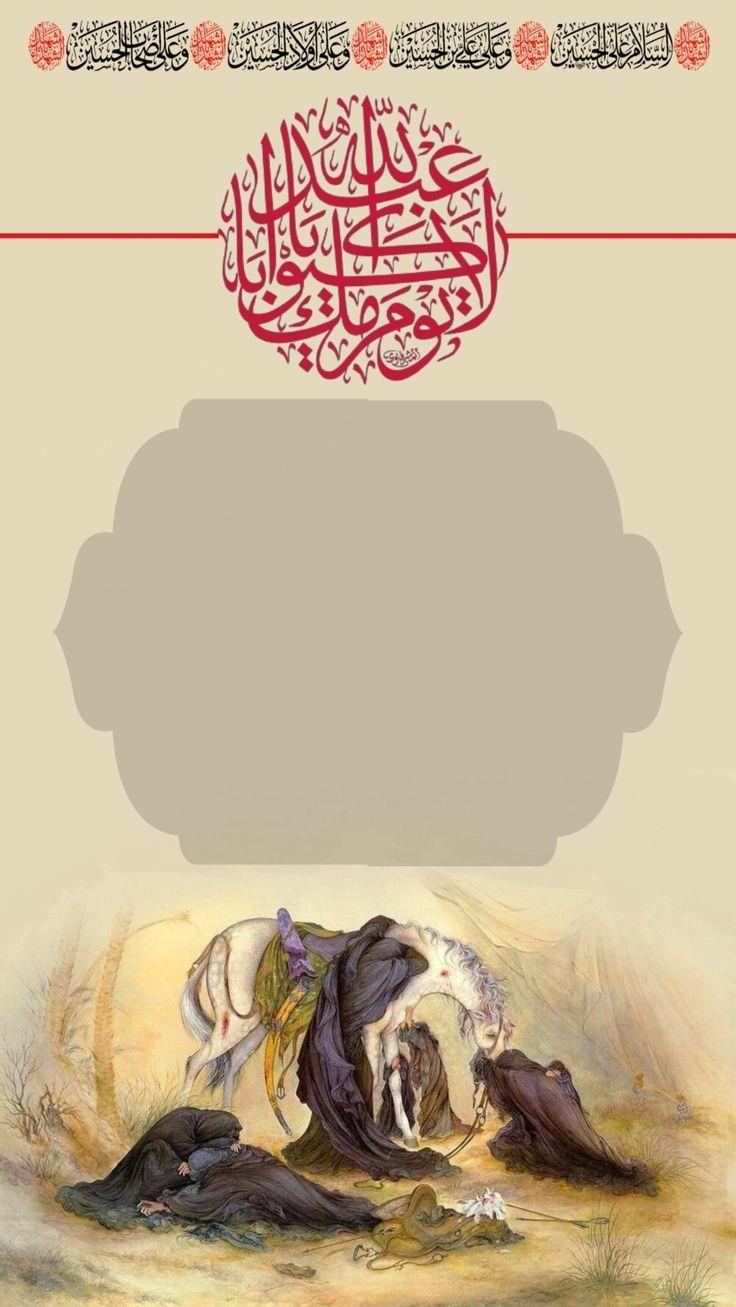
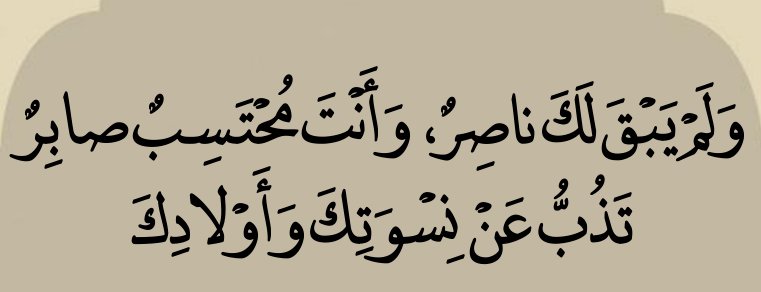
And no helper remained for You, while You stood steadfast and patient, seeking [reward] from God, defending Your women and children
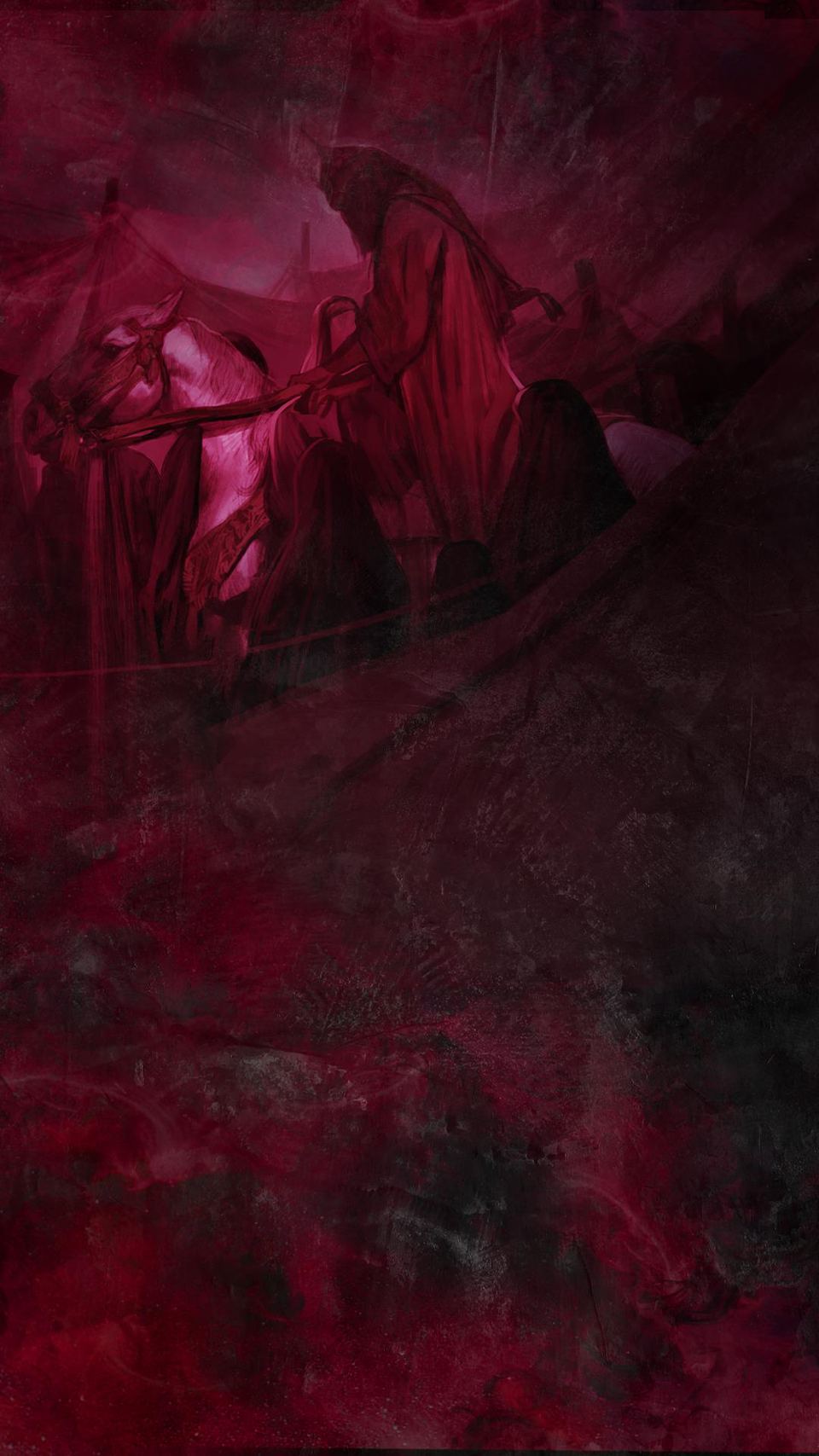
When the Imam wanted to do farewell with women of the household, cries of wailing rose from the tents. The voices of al-widā‘, al-widā‘ (farewell, farewell) and al-firāq, al-firāq (separation, separation)
ascended from Earth to the heavens.
اَلسَّ لم … My Salam to all of you…
With this one sentence of the Imam, the hearts of the women shattered multiple times...
Zaynab, watching the scene could bear no more…From the sanctuary to the killing field (Qatligāh), she called out: “Husayn…!”
Zaynab entered the killing field…and once again, with the sound of her lament, the Imam became alive...
“My Zaynab…my sister… return to the tents…” “Return before these cursed ones come here…” “Even your shadow has never been seen by a stranger.”
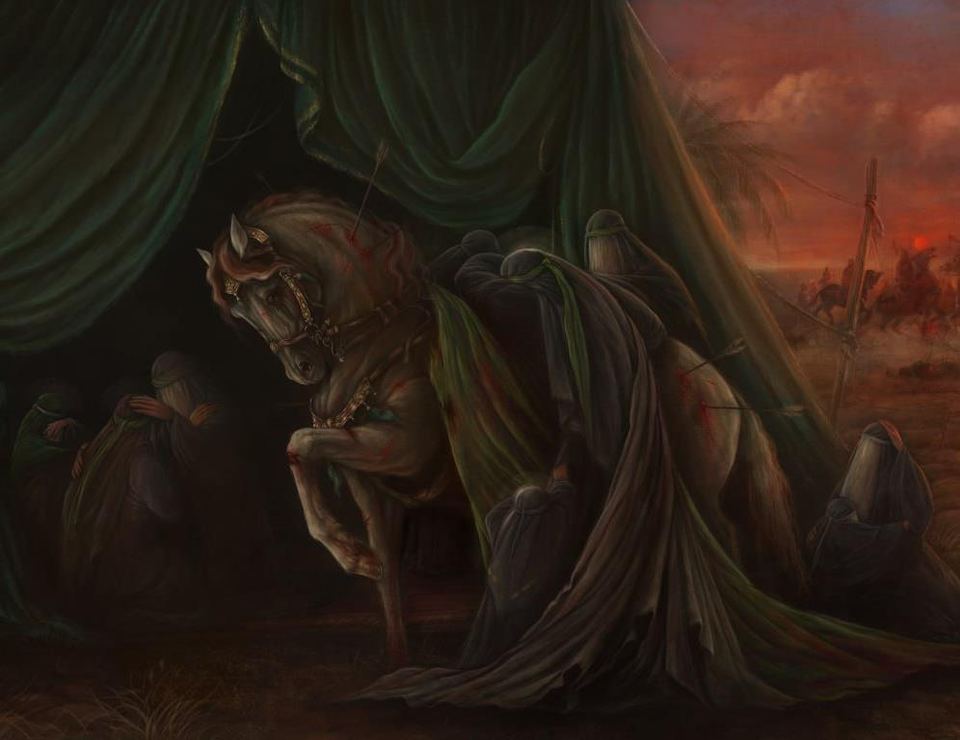
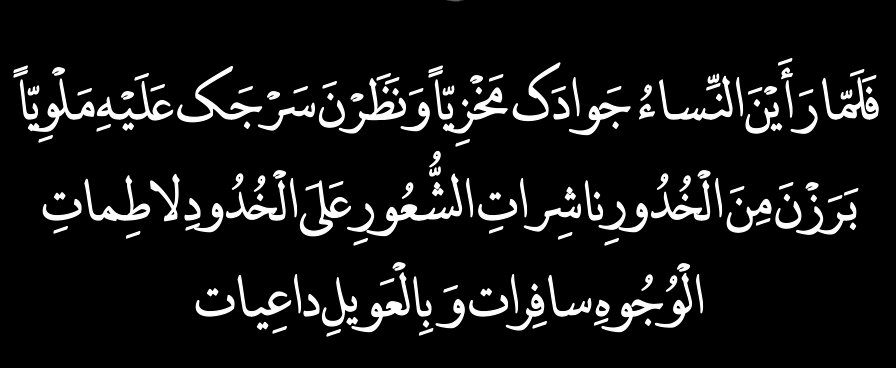
And when the women saw Your horse distraught, and observed your saddle contorted, they came from the tents, disheveling their hair, striking their unveiled faces, and wailing aloud in anguish...

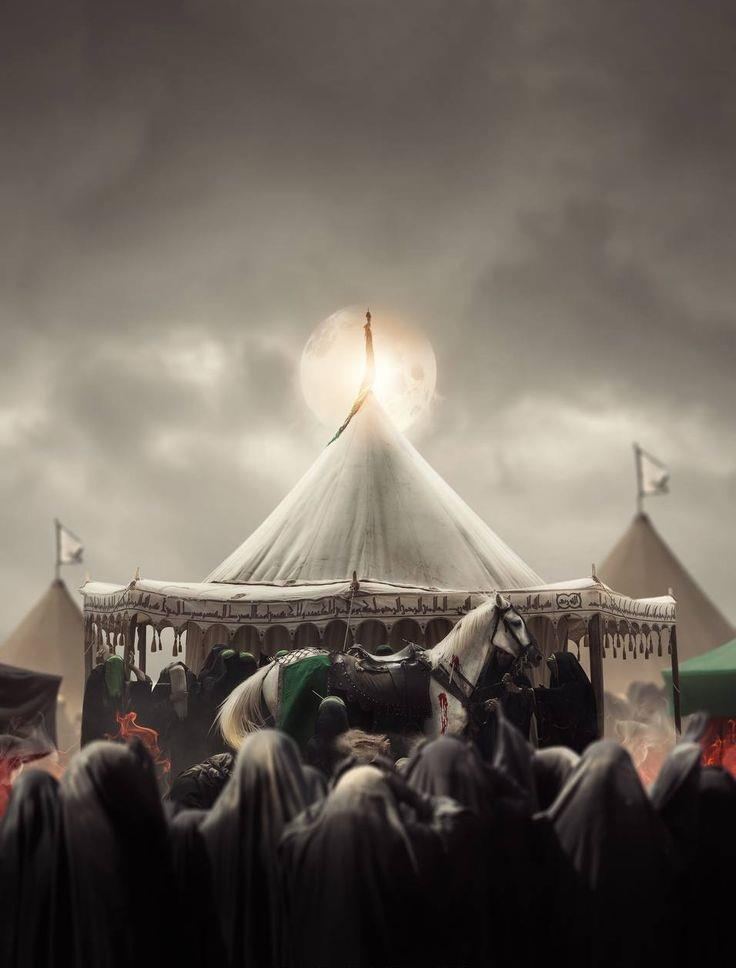
Among the most heart-wrenching moments for Lady Zaynab al- Kubra (p) and the noble women of Banu Hashim was the moment when they saw the riderless horse of Imam Husayn (p) returning from the battlefield, its saddle overturned, and its rider missing…
They all rushed out of the tents, weeping and lamenting, running toward the Maqtal (killing field), striking their faces in mourning.
This agonizing scene is described by Imam al-Mahdi (Ajtfs) in the mentioned phrase of Ziyārat Nāḥiyah al-Muqaddasah.
Lady Zaynab (p) and the noble women of the household mourned over Abā ‘Abdillāh al-Husayn (p) in this manner, and this very form of mourning became the Zaynabi model for commemorating the tragedy of Sayyid al-Shuhadā (p).
It is a model that has been presented to all noble women as the standard of devotion in the establishment of mourning for Imam al-Husayn (p).
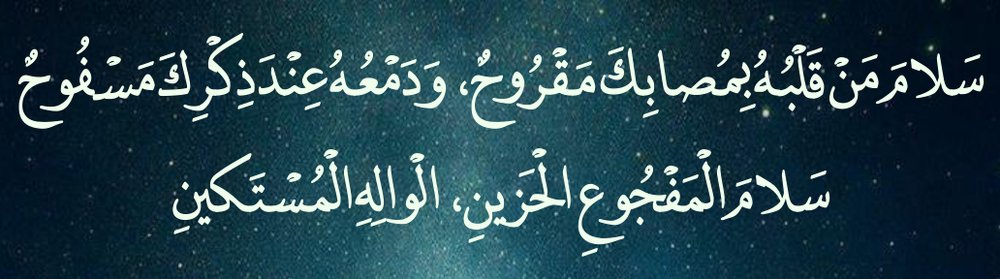

Salutations from the one whose heart is wounded due to the tribulations you have suffered, and whose tears flow in your remembrance Salutations from the one who is distressed and grief- stricken in mourning over you
The tragedy of Karbala and martyrdom of Imam Abā ‘Abdillāh al- Husayn (p) is the greatest of all tragedies—and the only calamity in which the hearts of all the Ahl al-Bayt (p) are afflicted with their deepest sorrow, their most wounded pain, and their heaviest grief.
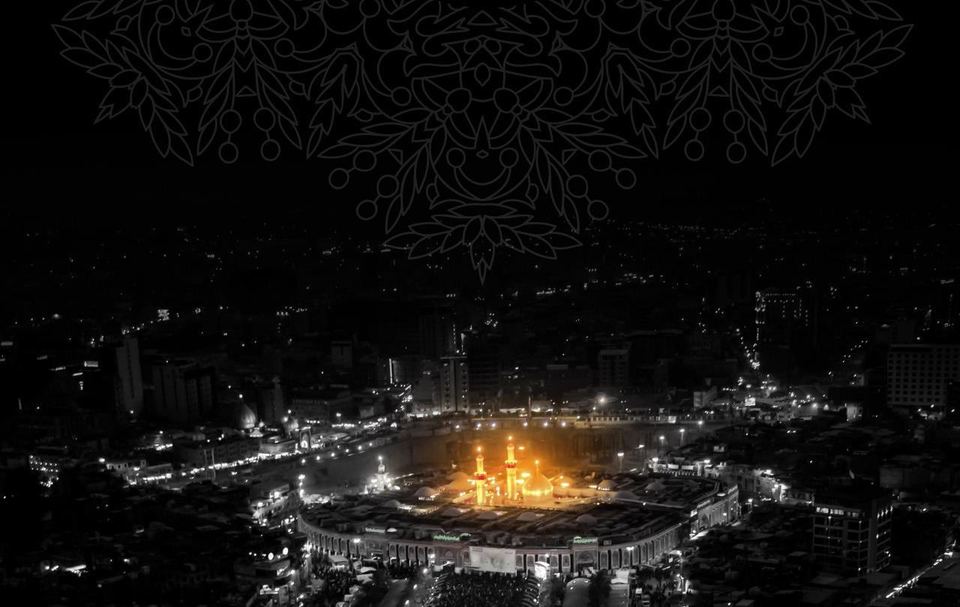
As Imam al-Ridha (p) stated:

“Indeed, the Day of Husayn (p) is the day on which our eyelids are in their most wounded state, and our tears flow more than at any other time…”
Our Master, Abā Ṣāliḥ al-Mahdi (Ajtfs) also addresses His lonely grandfather, saying:

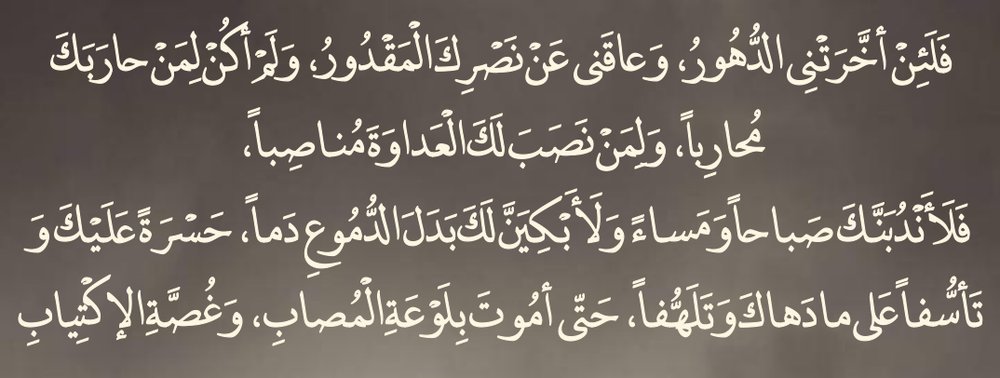
But as I have been hindered by the course of time and as (Allah’s) decree has prevented me from helping you, and as I could not fight those who fought you, and was not able to show hostility to those who showed hostility to you, I will, therefore, lament you morning and evening, and will weep blood in place of tears, out of my anguish for you and my sorrow for all that befell you, until I meet death from the pain of the catastrophe and the choking grief.

This is the cry of those whose blood has been spilled for other than Husayn (p)…
My Master, now that the events of Karbala have passed and we were left behind and could not stand beside you …then, how can

we give our lives for you?
Imam al-Mahdi (Ajtfs) gives the answer in this passage from Ziyārat Nāḥiyah al-Muqaddasah:

If you could not pour out the blood of your hearts for Husayn (p) in that time, then weep—until your souls depart.
These tears that are shed by the lovers of Husayn springs from a sacred origin. Its origin is in the eyes that witnesses the tragedy of Karbala and the captivity of his Aunt, and weeps blood eternally.
O Abā ‘Abdillāh, we beg you by the sake of Lady Zaynab (p)— make our hearts worthy to become a mourning place for you, and ready to stand in support of your Avenger.
O Allah, hasten the reappearance of Your Wali by the right of Lady Zaynab (p).
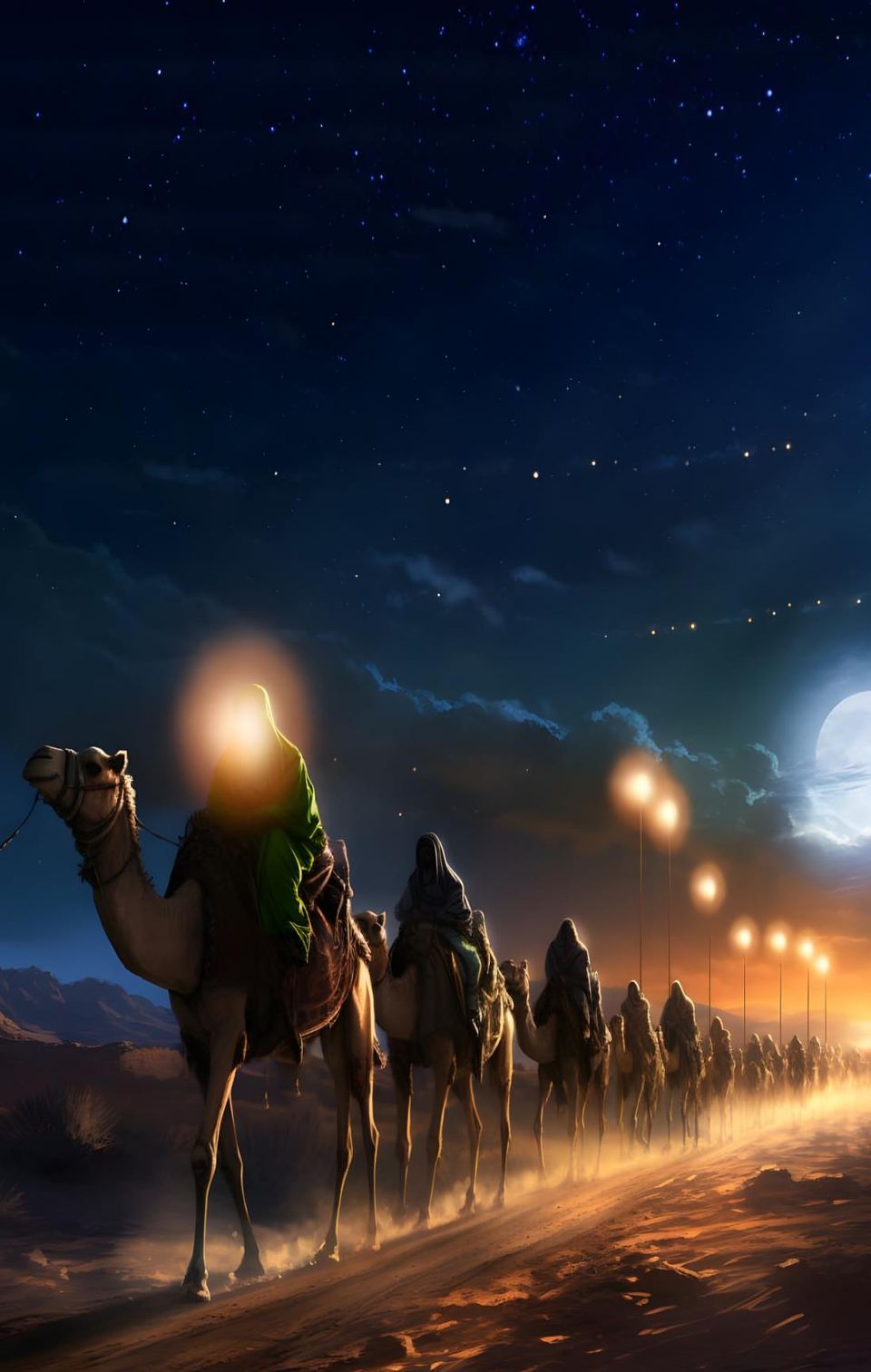
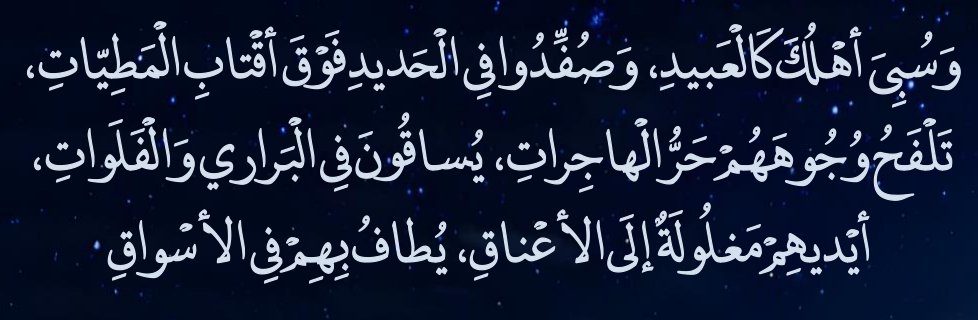
Your family were captured like slaves, bound with iron chains atop camels, with midday heat scorching their faces. They were driven across deserts and wastelands, with their hands chained to their necks, and were paraded around the markets.
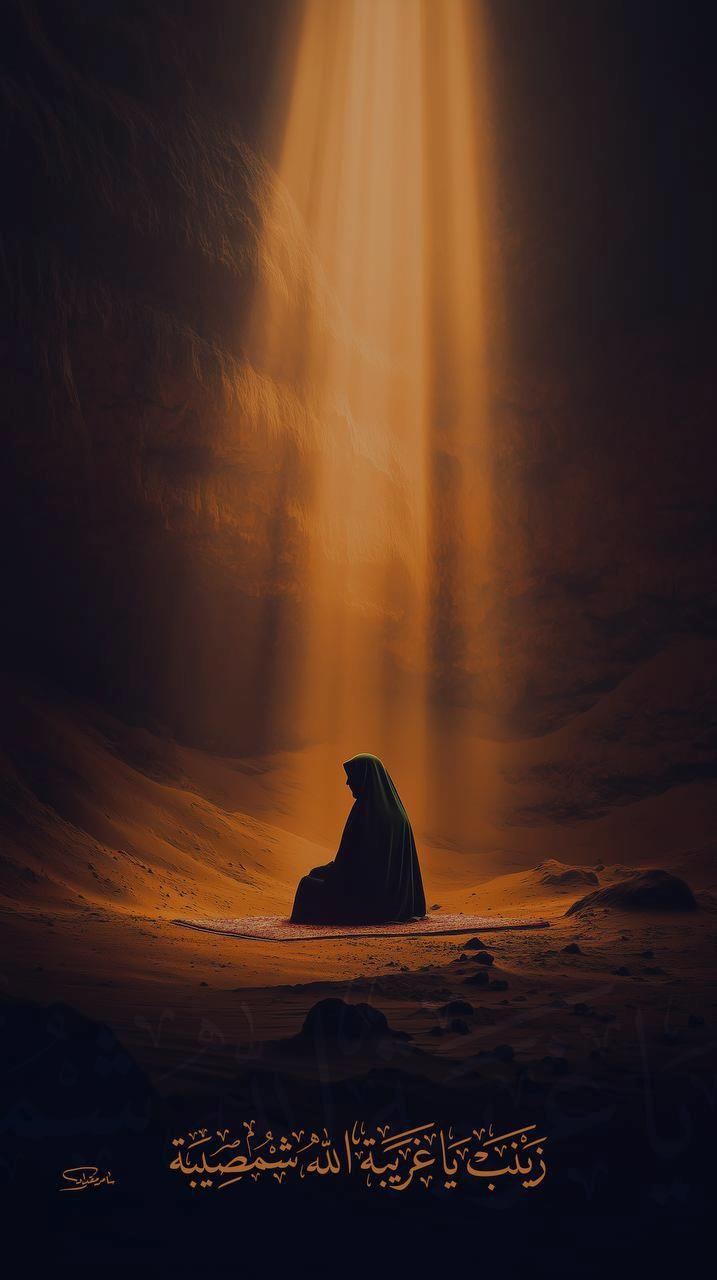
The captivity of Ahl al-Bayt (p) was among the greatest tragedies that befell upon them, when their blessed hands and feet shackled in chains, and they were paraded from city to city. This is the calamity which is referenced in Ziyārah Nāḥiyah al- Muqaddasah, over which Hazrat Baqiyyatallah al-A’zam (Ajtfs) weeps tears of blood morning and evening.
O my noble lady… O my aunt… You walked this earth for fifty-seven years, showering it with the light of truth, recognition, and wilayah…though your back was bent, your eyes dimmed, your prayers became seated, and your hair turned white… You never let the banner of Abbas of Husayn (p) fall to the ground, and you held it so high that even the Throne trembles from its majesty.
O the true meaning of patience… O the interpreter of love’s path…
O the one who revealed to the world the reality of Karbala…
By your Imam, your Master, your Brother, your Beloved—we beg you to place us on the path of that ocean, that journey from Karbala to Sham so we may taste—just a drop—just a single drop—from the sweetness of that love and wilayah...
misbah-inc.com