
Spring of Love

Table of Content
Introduction................................... 1 Ziyārat of Hazrat Wali al-ʿAṣr, Imam al- Zamān, may Allah hasten His reappearance, in the chapter “Ziyārat of Hazrat Ṣāḥib al-Amr” in the book of Mafātīḥ al-Jinān …….......………........ 2

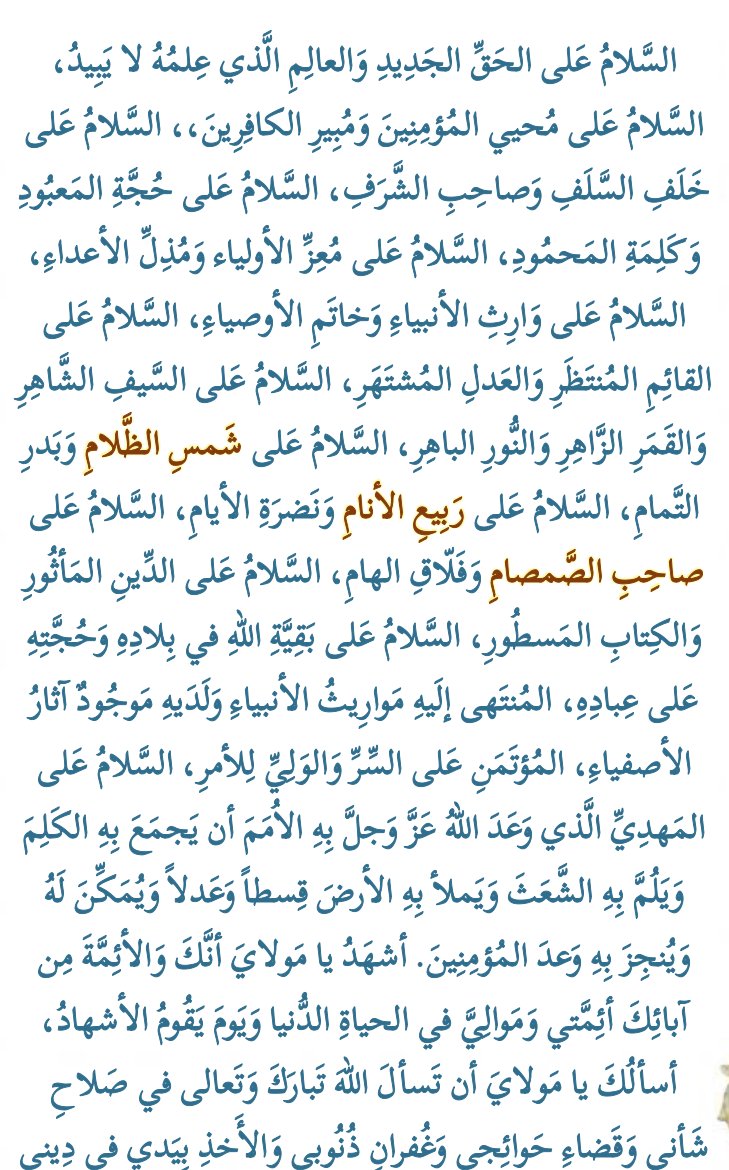
Shams al-Ẓalām (

Rabīʿ al-Anām (

Ṣāḥib al-ṣamṣām (
Tawassul (Seeking Intercession).... 30
References .................................. 31
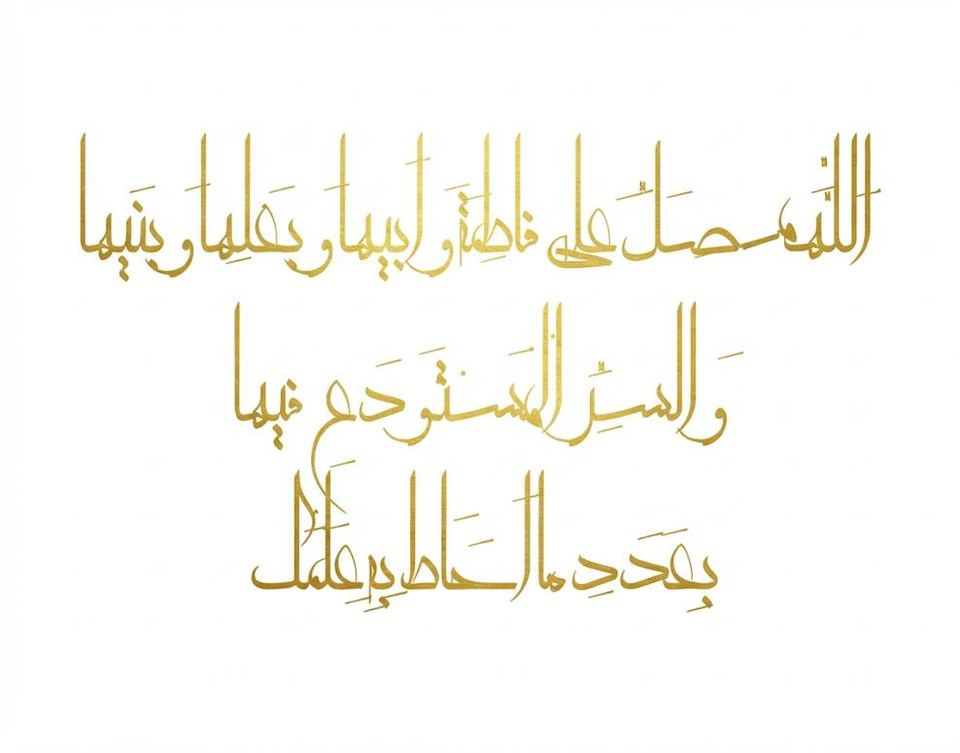
Hazrat Wali al-ʿAṣr (may our souls be sacrificed for Him) is the radiant heir of Hazrat Zahra (Peace be upon Her). The lofty shadow of His justice rises from that same infallibility and light.
Thus, with a heart in longing, we gently whisper:

And perhaps the most beautiful meaning is this: Our supplication for Ṣāḥib al-Zamān (may our souls be sacrificed for Him) is a repayment of a debt to a Mother who sacrificed all of Herself so that the path of truth might be illuminated. May we be granted insight in this path.
We seek excuses to bind every moment of our lives to Your blessed existence… and how blessed are those Names that create the opportunity for love to surge and overflow.
Ziyārat of Hazrat Wali al-ʿAṣr, Imam al- Zamān (ajtfs), in the chapter “Ziyārat of Hazrat Ṣāḥib al-Amr” in the book of Mafātīḥ al-Jinān

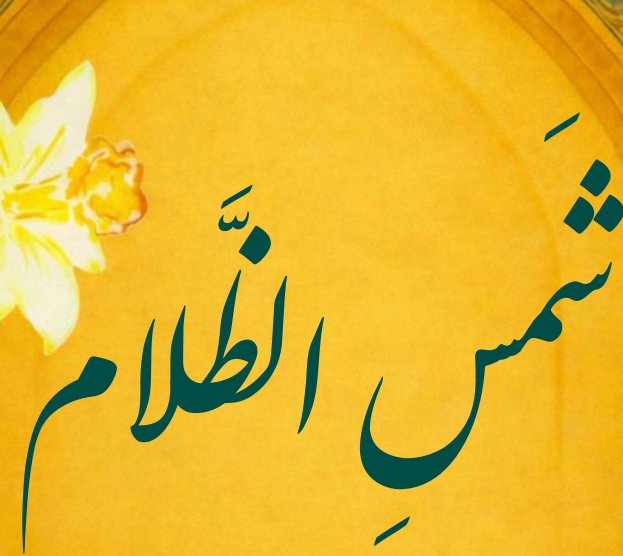
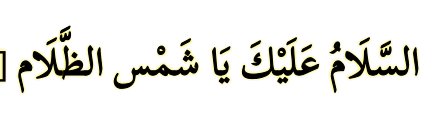
Shams al-Ẓalām

Peace be upon the Sun of Darkness
O Amir al-Muʾminin (p), You are light and You bestow light. The radiance of the Majesty of Allah has overflowed into Your creation. The heavens and the earth have been illuminated by Your brilliance, and has closed the eyes of the angels. From awe of You, the angels have prostrated toward the Almighty God and have said to their Lord: “O our Lord and our Master! What truth is this Light, that it is so radiant and luminous?”
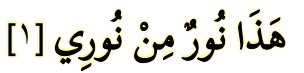
“ This is a light from My Light. ”
And in the perfection of this love, when the Light manifested within Its own mirror, a ray arose from it — a ray that, throughout the course of history, became the appointed meeting place of longing hearts.
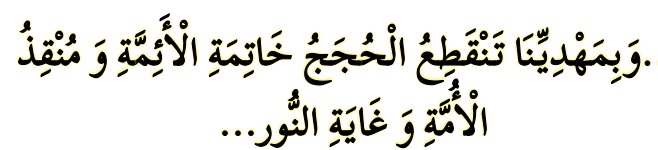
…“ And through our Mahdi, the proofs are brought to completion — the Seal of the Imams, the Savior of the Ummah, and the Ultimate of Light …”
He is the One who completes the divine proof upon all — the One who is the final Imam and the culmination of luminosity [2]. And His uprising is the shining brilliance of the sun of the existence of the Imams. [3] 4
And now we can understand the meaning of:
How beautifully Imam al-Rida (p) expresses this truth in His Sermon of Imamate:
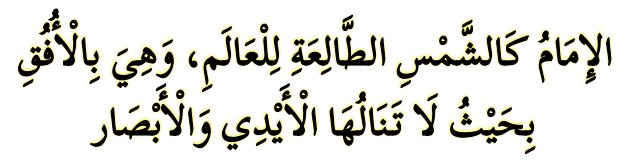
The Imam is a radiant sun for the people of the world…
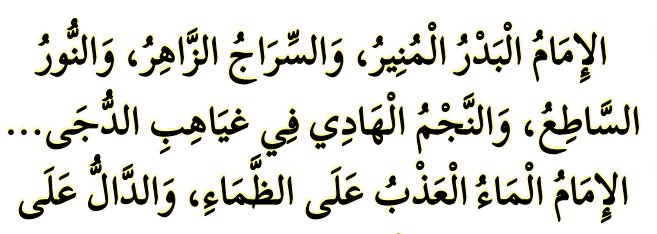
The Imam is a shining moon, a blazing lamp, a brilliant light, and a guiding star amid pitch-black darkness, unknown passages, and the whirlpools of the seas. The Imam is sweet water for thirst, the guide to guidance, and the savior from downfall; whoever separates from Him is cast into destruction…
The Imamate is the lamp of the lampstand of the Light of Allah [6], meaning the guide and leader of creation through darkness and misguidance.
And today, in this manner, we send salutations upon our Living Master, Ṣāḥib al-ʿAṣr wa al-Zamān:

Peace be upon the Sun of darkness. He is the most complete embodiment of the ‘Sun of Darkness’—that is, the lamp of guidance, within absolute darkness, in moments of history when the darknesses have reached their ultimate limit.
And the blessed existence of the Imam of the Time is the reality of the rising Sun, whose rays of light shine upon the servants, yet they can never attain the true essence of His knowledge. [7]
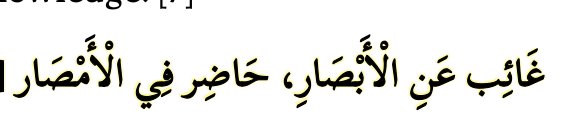
Though He is absent from the eyes, He is the most present of all presences among the worlds… May the salutations of Allah be upon You, O most luminous Sun of the sky of Allah.
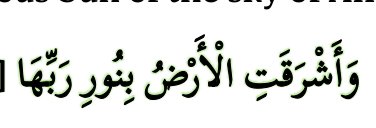
Peace be upon You and upon the day when the sun of Your existence will flood all being with light, and with the rising of the Sun of Your presence, no space will remain for oppression or darkness. 6
As for the one whose heart has been tarnished with rust, and who is bound in the chains of the darkness of sins —whose root and primary source are the enemies of the Family of Allah— such a person cannot see the Imam who is present and watchful.
But… when the chest is purified and illumined, the veils of concealment and darkness are torn away, and the light of ‘Shams al-Ẓalām’, Ḥujjat ibn al-Ḥasan (may Allah hasten His reappearance), illuminates the heart.
At that moment, the earth is illuminated by the light of its Lord; and the purpose of creation—namely, the recognition of creation and its drawing near to the Creator—is fulfilled.
And then the people will no longer be in need of the light of the sun. [10]
O my Master; we seek Your reappearance from You Yourself, for Your will is the very will of the Lord. With but a single gesture You purify and sanctify the earth, and through Your existence You bestow the Light of God upon the people…
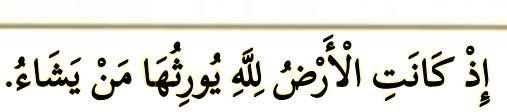
Because the earth belongs to Allah—He bequeaths it to whomever He wills among His servants. [11]
And let us be mindful: if we awaken only after the sun has risen, our prayer has already been missed…
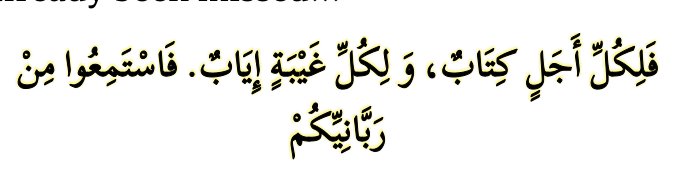
For every time there is a destiny written, and every occultation has its return; therefore, listen to your Rabbanī guide.

‘Bring him before your hearts, and awaken if he calls out to you.’ [12]
At every moment, the call of the Lord resounds throughout existence:

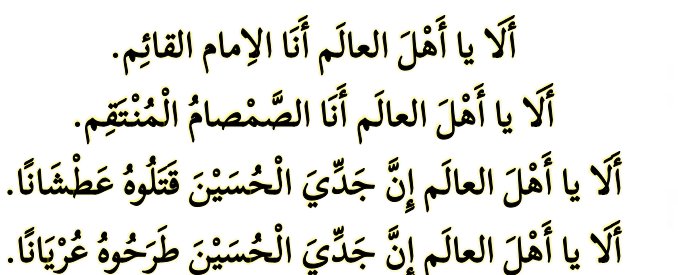
Yet another call also shakes the earth, morning and evening…

‘O people of the world! Indeed, My grandfather Ḥussain was killed while thirsty!’ A call whose herald stands leaning upon the Kaʿbah—and why do some imagine that He faces the qiblah? When in truth, the Kaʿbah itself follows His direction…for He is the qiblah of all the worlds. 8
But then why don’t we listen? Why, morning and evening, don’t we answer the call of Baqiyyatallāh with “Labbaik”? Woe to us if we are among the misguided…

“Have you seen the one who takes his own desire as his god—will you then be a guardian over him?” [13]
If we truly called ourselves believers, then we should stand facing the Wajhullah (Face of Allah)—not facing the desires of the self; Because He is:

The Face of Allah towards whom the saints turn their faces.
O the Sun (beloved), do not hide your face behind the cloud of your tresses; Do not turn our bright white day into a pitch- black night.
From the burning of your kindness, a knot has fallen upon our heart— Place your knot-untying hand upon those curl upon curl locks. The glory of all creation turned into the shame of idolatry O dear one, lift the veil and show the God- revealing face. O Hidden-yet-Manifest—cast forth the lightning of your radiant face, So that we may behold your splendor, both concealed and revealed.
Without Your radiance, earth and sky have no light; O shining Sun of both the earth and the heavens. Return, so that a “Resurrection” may rise from the Resurrection— So that good and evil may see the recompense of their own deeds. O Veiler of the world—how long will You remain behind the veil? At last, lift the curtain and look upon Your familiar friends. Return—for without Your presence, the world has no tranquility; Your distance throws all that is other-than- God into trembling. We are in need of You, O Divine Proof (Hujjat of God); Yes—only to the King does the beggar carry his request. A lifetime passed, and we remained heedless of remembering the Beloved; We squandered, for nothing, the wealth of everlasting life. Negligence has cast us onto the bed of ruin; Heal, O Messiah, this incurable pain. O Veiler of the world—how long hidden behind the curtain? Return, and grant illumination to the pure- hearted.
“Translation of the poem of Fuad Kermani"
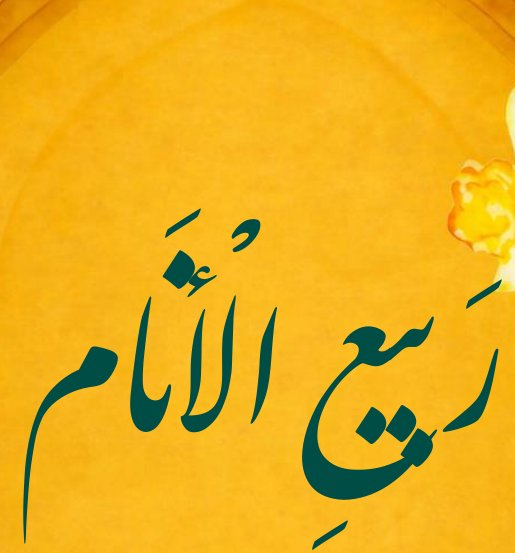
Rabīʿ al-Anām
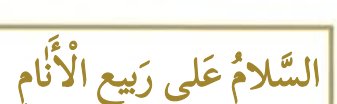
Peace be upon the Spring of humankind.
When drought and famine become an affliction that grips the End Times [1], and oppression and tyranny appear [2], the worship of God is replaced by worldliness, gluttony, and hoarding of wealth [3]; and the oppressors dominate the downtrodden [4]—then it is a time when hearts die behind the dark veil of sins and in bewilderment and confusion, and eyes and ears become powerless to perceive the truth. How hard and bitter is the era of occultation— when the ability to grasp the grace of the Imam’s presence becomes difficult for the helpless and the orphans of the Family of Muhammad (may God’s blessings be upon Them), and benefiting from that peerless jewel and precious pearl of creation comes to be regarded as unattainable… Truly, this hardship is so immense that Sadiq of the Household of the Messenger (peace be upon Him), laments of the severity of the calamity of our Master’s occultation, like a mother bereaved of her child and says: “My master! Your occultation has taken sleep from my eyes and has robbed me of tranquility” [5] And He weeps over the tribulations and trials that, through the length of this occultation, befall the people of the End Times. Yet this “absence” is not from the Imam—it is from the servants (of God). For even in that very time of famine, with all its such-and-such conditions, and when hearts lose spirit and life, the light from the windows of hope continually withholds not, even for a moment, its life-giving warmth. 12
Even a single moment and less than a moment… If it were not so, the earth would collapse with all that is upon it… [6] He is present and alive— He is alive in the complete and absolute way… He is the one who gives life to dead hearts… He is the spring of life. [7] On that day when hearts are dead, if someone sits in a gathering and, in that gathering, the cause of the Ahl al-Bayt (peace be upon Them) is revived, his heart does not die. [8] Because he has found the path of holding fast and connecting to Hablullah (the Rope of Allah) and Urwatul Wuthqa (the firm handhold). If a heart is revived through recognizing the present Imam, it will perceive the manifestations of perfection, exaltedness, and majesty—and will be saved from bewilderment and misguidance. He is the beginning of the season of blossoming and freshness. Through the radiation orbit of his outpouring light, the hidden deposits within the earth shine forth; seeds and kernels sprout, and the world is adorned in a green garment… “O Spring of souls! May the joy-giving fragrance of Your breath let the souls of Your lovers and those who await You taste life anew—so that their days may be renewed, and they may sit in happiness, on their new day through the awareness of Your continual presence? A new day that is intertwined with the establishment of the Wilayah (divinely appointed authority) of Your great forefather, and for us it calls to mind that the spring of nature is fulfilled through the life of spirits and souls by the Wilayah of Commander of both worlds (Amir al-Mu’minin).” [9]
Spring days are that time when the rain of mercy pours over the wide, cracked, and thirsty lands, and in the blink of an eye, the land takes on a pleasing green color…
O mankind! Sitting and staying still makes you, an awkward patch on nature, as how with all these changes and freshness, you have fallen weak and lifeless…?
This is the description of the one who prefers sitting over rising, and sees “reappearance” only at the time when he places the empty shoulders, stripped of fulfilling ongoing duties, upon the shoulders of his master;
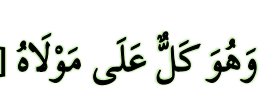
And he is a burden upon his master.

Allah has struck an example: two men, one of them is born mute, able to do nothing, and he is a burden upon his master; wherever he directs him, he brings no good…
Unaware that a heart which seeks awakening and revival only after the outward reappearance—when all creation tastes the reality of Mahdawi rule—was never truly waiting from the beginning…
Such a heart has not benefited from the existence of its Imam in the manner that true obedience demands.
Such a person has remained idle, hands folded, merely wishing for the noble rule of Baqiyyatallāh al-Aʿẓam

Can a powerless, ineffective silent person truly be equal to one who enjoins justice and equity and stands upon the straight path?!
Waiting for Ḥazrat Rabīʿ al-Anām means being spring-like, Means vitality, Means movement, Means continual supplication and trust, Means my master, you just will it, so that I obey and respond you… Means that my spring arrives when my heart, my soul, my life—my living and my dying—by Your permission, Your glance, Your breath, and Your care, are immersed in fulfilling Your commands that flow morning and evening.
How can it be believed that Your occultation, O Ṣāḥib al-Zamān, be—night or day—be a barrier to goodness and blessings? No, no… It is the servants and created beings who— because they did not behold Your luminous existence with the eye—imagined that Your hands, the hands of Allah, were bound, and thus thought they must cry out for the reappearance and relief of this Imam… [13] Yet certainly, those who are ensnared by occultation are a people who have confined and restricted themselves behind the bars of ego and self-assertion, and have thus deprived themselves of that Imam who is more compassionate than father and mother. [14] For they have not attained recognition of the reality of His existence, and have deprived the parched earth of their own being from the descent of His mercy. He is a Presence whose true recognition is absent from the hearts of some in this age; and thus the tribulations and trials of the end times seize hold of them. How can we deem that radiant, all- illuminating existence to be absent, when by the blessing of His presence all creatures are sustained with provision each day [15], the rain of mercy descends through His grace [16], and the heavens and the earth endure by His will and permission? [17] 16
O my lonely Master! The pains of the time of occultation grow heavier only when separation and misapprehension deprive us of perceiving Your Presence…
Otherwise, one who has attained recognition of Your luminous reality, whose heart beats by the blessing of the light of faith and knowledge—what need has he to behold You with the outward eye? Though such a vision is an indescribable blessing, he is as one dwelling within Your very camp, his soul sweetened by the grace of Your Presence. [18]
Thus, whether the manifestation appears today or tomorrow makes no difference to such person.
For he is ever at rest within the fatherly embrace of his Master, tasting a pure and wholesome life through the blessing of the breeze of His mercy.
From Your own sacred Presence we ask that You fill our souls and spirits with the sweetness of this recognition—so that only then may we rightly call ourselves among the waiting ones, and hope that we have clothed with action the best of deeds: awaiting the relief. [19]
Peace be upon You, O Spring of humankind! Peace be upon You, O season of the endless mercy of creation! Peace be upon You, who with Your boundless kindness and gentleness become the springtime of people’s lives! Peace be upon You, and upon the day when Your Fatimid government and Your Alawite rule remove the weariness of winter from the bodies of the world’s orphans… In a passage from the Ziyārat of Hazrat Ṣāḥib al-Amr (may our souls be sacrificed for Him), the twelfth Star in the sky of Wilāyah has been given the title “Rabīʿ al-Anām,” meaning “the Spring of humankind.” [20] Spring, after the harsh and cold season of winter, is the time of nature’s resurrection, renewed life, and the blossoming of the creation. Trees that have been chilled and left bare in the cold of winter put on emerald garments in spring; flowers raise their heads from their buds; nightingales sing; the breeze of spring mercy lays its caressing hand upon the dry body of the earth and makes it green and alive. The delightful spring rain penetrates to the depths of the dried soil and weary souls, and grants life to dead roots. When the true Spring-Bringer of creation appears, the world will become a garden in bloom. When He comes, a rain of justice will fall upon the earth:

Know that God, the Exalted, brings the earth to life through Hazrat al-Qā’im (p), and His creatures will attain blessings the like of which they have never seen.
When He comes, He will bring spring, along with all its freshness, as a gift to our hearts. Continuous rains will begin to fall [22]. Rivers will be filled with water [23]. Lands will become fertile [24]. Agriculture will flourish; gardens will turn green and bear abundant fruit. Deserts such as Mecca and Medina, which have never known greenery, will suddenly be transformed into palm groves. Livestock and animal husbandry will expand [25]. Hidden treasures and unexploited mines will be revealed [26]. The economy of society will prosper [27]. Poverty and destitution will vanish [28]. Prosperity will be seen everywhere, and the world will be encompassed by growth [29].
“The all-embracing mercy” [30]. That promised Spring-Bringer, who possesses the perfection of all the divine prophets from Adam to the Seal of the Prophets, is the complete and perfect manifestation of God’s boundless mercy for all creation:
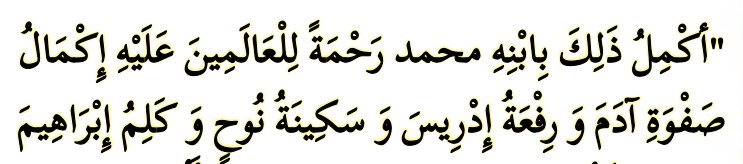
From distant galaxies to the tiniest particles of the universe; from the archangels to every being that breathes across the vast expanse of existence, all will sit at the table of the Spring of creation and benefit from His infinite mercy. So, O Lord, "
“bless our Master, Ṣāḥib al-Zamān (may our souls be sacrificed for Him).”

My Master! The purity of Your coming will turn the winter of our existence into spring. ‘Glad tidings, O heart, for one with the breath of the Messiah is coming—from His fragrant breaths, the scent of a Beloved arrives.’ Your vitality and freshness, Your kindness and compassion, renew the age itself.

My Master! Now the footsteps of spring and the sweet fragrance of the narcissus are sensed closer than ever. The earth circles nearer than ever around the Sun of Your existence, seeking to arrive at that point of balance and truth. May these pages be glad tidings of the coming of that Rabīʿ al-Anām— who will immerse the world in an eternal light and freshness. Rise, O splendor of creation, so that all the world may rise at Your feet.
When He appears, all of creation shall bow their heads— willingly or unwillingly, whether the people of Paradise or the people of the Fire. The entire world shall become radiant, and time itself filled with light, as it was in the age of the Prophet—nay, even better than that. Blessed is that time—and more blessed still to realize it; and more blessed than that, if we can offer our help. O Allah, hasten the uprising of our Qāʾim; delay my death, so that I may partake of His days. In Hs era, what joy and delight we shall know— by the grace of Allah, all of the Shīʿah shall be granted their share in full. 20 Poetry by Fayḍ Kāshānī
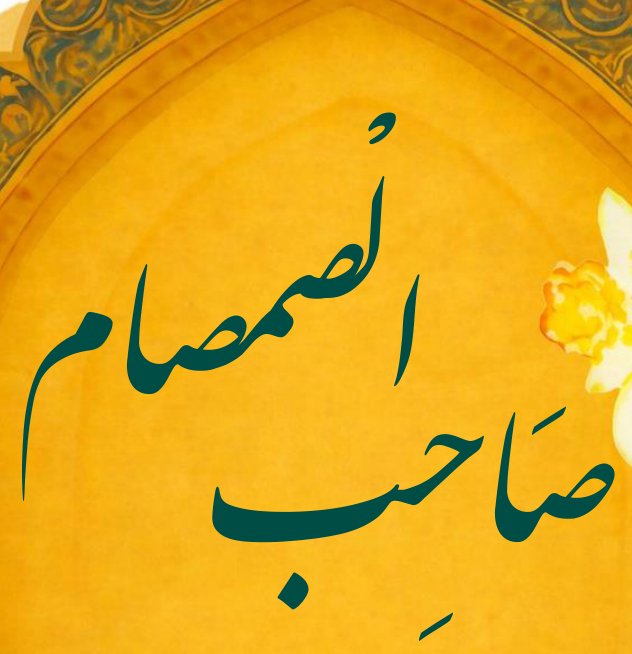
Ṣāḥib al-ṣamṣām

‘The Heir of the Family of Muḥammad (may our souls be sacrificed for Them).’

] We have willed to grant favor to the oppressed of the earth and to appoint them as leaders and inheritors upon it. 1 [ »
Imam Ḥussain (peace be upon Him) stated:

In Our Qāʾim there exist the customs and characteristics of the prophets…

And from Muḥammad (peace be upon Him) comes the uprising with the sword.
He is the possessor and inheritor of the sword of power—the very sword that was the legacy of His forefathers, and the legacy of the Messenger for whom the noble verse was revealed:
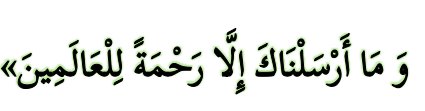
At a time when all were sheltered beneath the shade of His grace and mercy, the devils among jinn and humankind tore at it with their hatreds and envies; and in their assemblies they laid the foundations of evil, oppression, and injustice. 22
Is there any kindness or grace greater than the life (Mahya) of Muhammad and the Family of Muhammad (may God’s blessings be upon Them)? Imam al-Bāqir (peace be upon Him) says: He (Hazrat Wali al-ʿAṣr, may our souls be sacrificed for Him) wears the shirt of the Prophet (peace be upon Him and His family) that the Prophet wore in the Battle of Uhud. He wears the turban and the armor of the Prophet (peace be upon Him and His family), which are perfectly fitted to Him, and He holds Dhū al-Fiqār, the sword of the Prophet, in His hand. Then He draws the sword… [4] You became the inheritor of that shirt, that turban, that armor… and that Dhū al-Fiqār, so that You may hasten the thousand years long relief of Your lovers; When, during the Miʿrāj, the sacred lights of the Imams were shown to the Seal of the Prophets (peace be upon Him and His family), Ḥujjat al- Qāʾim (peace be upon Him) was standing among Them in prayer, shining like a radiant star:
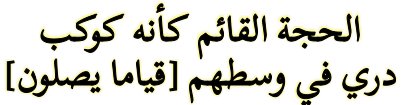
Then the Most Exalted Divine Essence said:

This is the Qāʾim who upholds My lawful as lawful and My unlawful as unlawful, and through Him I take vengeance upon My enemies. This is Ḥujjat (peace be upon Him) through whom the earth will be filled with justice and equity, and “by whom the hearts of the believers will find healing”.[6]
The Muntaqim of the Family of Muhammad (may our souls be sacrificed for Them)

…[Suddenly] Our command comes, by night or by day, and We reap it as though it had never existed the day before. Divine vengeance is carried out by the blessed hand of the Owner of the Sword (Ṣāḥib al- Ṣamṣām) may our souls be sacrificed for Him. This vengeance is taken from those who usurped the right of the Family of God (peace be upon Them): the Jibt and the Ṭāghūt. It is narrated from Imam al-Bāqir (peace be upon Him) that He said: …God, the Exalted, said to His Prophet: Say to so-and-so and so-and-so, and to their followers: “Today, since you wronged the Family of Muhammad (peace be upon Them) and trampled upon Their rights, nothing will ever benefit you, and all of you will share in the punishment”. …And He also said:

Indeed, We shall take vengeance upon them, that is, upon so-and-so and so-and-so. [8] At that time, when the Trustworthy Gabriel would appear before all the prophets and establish gatherings of mourning for Hussain, with hearts burned by the suffering of Aba ʿAbdillah al-Hussain (peace be upon Him), they would yearn to behold You. 24
It is narrated from Imam al-Ṣādiq (peace be upon Him), regarding this statement of God, the Mighty and Majestic, in which He says:
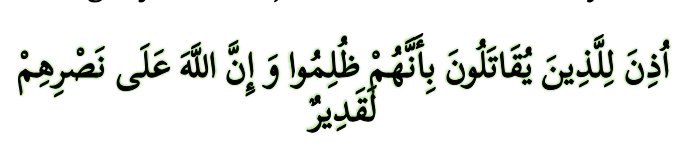
Imam stated: The one intended by the verse is the Qāʾim (may our souls be sacrificed for Him); when He rises and avenges the blood of Hussain (peace be upon Him), he will proclaim: "We are the heirs of the blood and the claimants of the blood of Imam Hussain (peace be upon Him)." [9]
Likewise, Imam al-Bāqir (peace be upon Him) points to the uprooting of the accursed Banū Umayyah by the sword of the Qāʾim (peace be upon Him):

When the Qāʾim (peace be upon Him) rises and sends (forces or a message) toward the Banū Umayyah in Syria, they will flee toward the land of Rome… And that call and confrontation will continue until We render them cut down by the sword and utterly silenced.
And by that moment when Your majestic ʿAlawī voice shall stir the Throne and the earth and all that exists and does not exist within them;
The Noble Messenger of Allah (peace be upon Him and His family), in the Sermon of Ghadir, says in describing the Avenger of the Family of Allah:
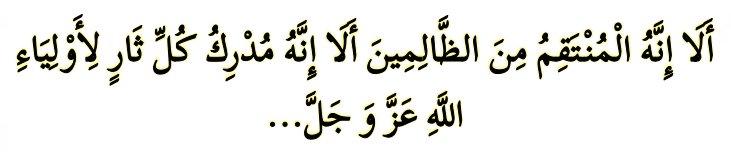
Be aware that He [the Seal of the Successors, the Promised Mahdī (peace be upon Him)] is the One who takes vengeance upon the oppressors…
He is the avenger of the unjustly shed blood of all the righteous servants of Allah. [12]
Likewise, in Ziyārat al-Jāmiʿah al-Kabīrah we read:

And I dissociate myself before Allah, from your enemies and from every authority obeyed apart from You
The Qāʾim of the Family of Muḥammad (may our souls be sacrificed for Them)

Hazrat Baqiyyatallāh al-Aʿẓam (may our souls be sacrificed for Him) stated:

I am the one who shall rise at the end of time with this sword (Imam pointed to the sword), and I shall fill the earth with justice and equity, just as it has been filled with tyranny and oppression.
It is the sword of Dhū al-Fiqār of Mawlā Ali (peace be upon Him), which, in Your blessed hands, takes on new life — yearning to annihilate all that is other than You, so that once again it may cause the earth, polluted by tyranny and oppression, to taste the justice of Ali (peace be upon Him) and be fully satiated by it.
The sword rises, in remembrance of the Battle of Jamal;

Peace be upon the unsheathed sword.
And it descends:

He is the Sword of Allah that never becomes blunt, until He levels to the ground the very roots of falsehood, injustice, and ignorance.
The Gatherer (Jāmi') of the Family of Muḥammad (may our souls be sacrificed for Them)

…Surely He will gather all of you on the Day of Judgment — a day in which there is no doubt. None disbelieve except those who have lost the true capital of their own souls.
“On that day, the gathering of the Shīʿah will be realized.”

When our Qāʾim (may Allah hasten His reappearance) rises, Allah will gather our Shīʿah from all lands toward Him.
A banquet as vast as the world and all creation has been spread since pre-eternity — a table from the essence of Muḥammadan life, ʿAlawi justice, Fāṭimi compassion, Ḥasani generosity, and Ḥussaini love — so that all His lovers may, all at once, be seated at the table of their Inheritor... And indeed, in that moment, upon this very blessed table, the lovers, joyfully singing, raise the invocation:
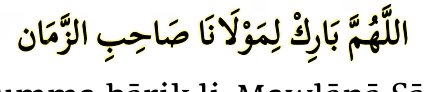
‘Allāhumma bārik li-Mawlānā Ṣāḥib al- Zamān’ — ‘O Allah, bestow Your blessing upon our Master, Ṣāḥib al-Zamān.
Imam al-Ṣādiq (peace be upon Him), regarding the living and ever-watchful existence of Hazrat Walī al-ʿAṣr (may our souls be sacrificed for Him), said:
‘From the very beginning, the earth has never been devoid of a Proof endowed with knowledge, who revives the commands that people have forgotten and that have faded away…’ [19]
Hazrat Ṣamṣām al-Akbar —
He who is present and watchful over all the realities of existence; and who has so thoroughly harvested and reaped the roots of evil and injustice from the earth that He gathers His Shīʿah once more upon the very tradition of the days before the appearance — days in which they would spread His table within their hearts, and every single moment of their being was filled with the fragrance of the jasmine of His blessed banquet — He gathers them together once again.
And the relief of His Holiness is hastened — when we truly recognize at whose noble table we are seated among the offspring of the Generous, and whose relief it is that we seek.

The blessed month of Shaʿbān begins with the birth of a Master who is the axis of both sorrow and joy; in Muḥarram no birth has occurred, and in the blessed month of Shaʿbān no martyrdom has taken place… Then, with the birth of Hazrat Qamar al-Munīr Banī Hāshim, Hazrat Sayyid al-Sājidīn, and shortly thereafter with the echoing of the ʿAlawī voice of the Muazzin of Abī ʿAbdillāh al-Ḥusayn — Hazrat ʿAli al-Akbar (peace be upon Them) within the calendar of time — a seal of affirmation is placed upon the Ḥussaini identity of the month of Shaʿbān . Yet… from the very beginning of the month, the fragrance of narcissus is woven into every Shaʿbāni day… And can the blessed name of Hazrat Abā ʿAbdillāh be spoken and settle upon the heart, yet the servant not follow the path of Hazrat Ḥujjat ibn al-Ḥasan (may our souls be sacrificed for Him), nor offer his tears as a vow for His reappearance?
My Master! My kind father! Hazrat Rabīʿ al-Anām, Hazrat Shams al-Ẓalām, Hazrat Ṣāḥib al-Ṣamṣām, Place me among those of Your Shīʿah who count every moment in longing to behold You, and who break through ranks for that divine gathering; may the eyes of our hearts be illumined by the beauty of Your countenance…

Sources and References

Shams al-Ẓalām/
1. Biḥār al-Anwār, Vol. 43, p. 16.
2. Ithbāt al-Waṣiyyah, p. 10 / Biḥār al-Anwār, Vol. 74, p. 298.
3. Taʾwīl al-Āyāt al-Ẓāhirah fī Faḍāʾil al-ʿItrah al- Ṭāhirah, p. 777 / Al-Burhān fī Tafsīr al-Qurʾān, Vol. 5, p. 672.
4. Mafātīḥ al-Jinān – Ziyārah of Hazrat Ṣāḥib al-Amr in the Sacred Cellar (Sardāb al-Muqaddas).
5. ʿUyūn Akhbār al-Riḍā – Sermon of the Imamate by Imam Riḍā (peace be upon Him).
6. Statement of Imam Ṣādiq (peace be upon Him) regarding Surah al-Nūr, noble verse 35.
7. Biḥār al-Anwār, Vol. 25, p. 170.
8. Najm al-Thāqib, Vol. 9.
9. Surah al-Zumar, verse 69.
10. Biḥār al-Anwār, Vol. 52, p. 330.
11. Duʿāʾ al-Nudbah.
12. An excerpt from Sermon 107 of Amir al-Muʾminīn (peace be upon Him).
13. Surah al-Furqān, verse 43.

20. Biḥār al-Anwār, Vol. 99, p. 101.
1. Al-Amālī, Shaykh al-Ṭūsī, Vol. 1, p. 457.
21. Kamāl al-Dīn wa Tamām al-Niʿmah, Vol. 2, p. 668.
2. Biḥār al-Anwār, Vol. 51, p. 32.
3. Jāmiʿ al-Akhbār, Vol. 1, p. 130.
22. ʿAṣr al-Ẓuhūr, p. 325.
4. Biḥār al-Anwār, Vol. 22, p. 453. 5. Biḥār al-Anwār, Vol. 51, p. 219. 23. Biḥār al-Anwār, Vol. 51, p. 68 / Nahj al-Balāghah, Sermon 138.
24. Al-Ikhtiṣāṣ, p. 208 / Biḥār al-Anwār, Vol. 52, p. 304.
6. Biḥār al-Anwār, Vol. 57, p. 212.
25. Kashf al-Ghummah, Vol. 3, p. 260.
7. Friday Ziyārah (ʿAyn al- Ḥayāh) / Biḥār al-Anwār, Vol. 99, p. 215 / Zād al-Maʿād, Vol. 1, p. 580. 26. Biḥār al-Anwār, Vol. 51, p. 68 / Nahj al-Balāghah, Sermon 138.
8. Wasāʾil al-Shīʿah, Vol. 44, p. 278. 27. ʿUyūn al-Akhbār, Vol. 1, p. 12.
9. Wasāʾil al-Shīʿah, Vol. 8, p. 173. 28. Biḥār al-Anwār, Vol. 52, p. 339.
10. Surah al-Naḥl, verse 76.
29. Nūr al-Thaqalayn, Vol. 2, p. 212.
11. Same source.
12. Same source. 13. Surah al-Māʾidah, verse 120. 14. Al-Kāfī, Vol. 1, p. 198. 30. A passage from Ziyārat Āl Yāsīn / Miṣbāḥ al-Zāʾir, Vol. 1, p. 430 / Biḥār al- Anwār, Vol. 91, p. 36.
15. Zād al-Maʿād, Vol. 1, p. 422.
31. The Sacred Hadith of the Tablet of Hazrat Zahra (peace be upon Her), known as the Hadith of the Tablet of Jābir / Al-Hidāyah al- Kubrā, Vol. 1, p. 364.
16. Al-Kāfī, Vol. 1, p. 198.
17. Zād al-Maʿād, Vol. 1, p. 422.
18. Biḥār al-Anwār, Vol. 52, p. 146.
19. Biḥār al-Anwār, Vol. 75, p. 208. 32. Surah Hūd, verse 81.
Ṣāḥib al-ṣamṣām/
1. Surah al-Qaṣaṣ, verse 51. 2. Kashf al-Ghummah, Vol. 3, p. 329.
3. Surah al-Anbiyāʾ, verse 107.
4. Uṣūl al-Kāfī, Vol. 3, p. 274.
5. ʿAwālim al-ʿUlūm wa al-Maʿārif, Vol. 1, p. 44.
6. Al-Jawāhir al-Saniyyah fī al-Aḥādīth al-Qudsiyyah (Compendium of Sacred Hadith), p. 548

7. Surah Yūnus, verse 24.
8. Tafsīr al-Qummī, Vol. 2, p. 286.
9. Tafsīr Ahl al-Bayt (peace be upon Them), Vol. 9, p. 680 / Biḥār al-Anwār, Vol. 51, p. 47.
10. Taʾwīl al-Āyāt al-Ẓāhirah fī Faḍāʾil al-ʿItrah al- Ṭāhirah, p. 320 / Al-Burhān fī Tafsīr al-Qurʾān, Vol. 3, p. 804.
11. Al-Irshād, Vol. 2, p. 385.
12. Al-Iḥtijāj, Vol. 1, p. 55 / Iḥqāq al-Ḥaqq, Vol. 29, p. 639.
13. Mafātīḥ al-Jinān – Ziyārat al-Jāmiʿah al-Kabīrah.
14. Duʿāʾ al-Iftitāḥ.
15. Kamāl al-Dīn, Vol. 2, p. 453, Hadith 2.
16. Biḥār al-Anwār, Vol. 52, p. 291.
17. Surah al-Anʿām, verse 12. 18. Biḥār al-Anwār, Vol. 52, p. 291.
19. ف يهَا Tafsīr Ahl al- Bayt (p), Vol. 16, p. 228 / Biḥār al-Anwār, Vol. 23, p. 37 / Kamāl al-Dīn, Vol. 1, p. 221.

20. A passage from the supplication of Imam al- Zamān (ajtfs) after the dawn prayer: Biḥār al-Anwār, Vol. 99, p. 110 / Zād al-Maʿād, Vol. 1, p. 301.
misbah-inc.com